 Ferndale
 Ask five siding contractors for a number before they've seen your house, and you'll get five different guesses — and none of them will be reliable. Siding replacement cost isn't one price, it's a stack of separate decisions: how much of the old siding has to come off, what's underneath it, what material goes back up, and how complicated your home's shape is. In Whatcom County, add one more variable most guides skip entirely — our climate. Salt-laden air off Bellingham Bay, long stretches of driving rain, and a moss season that can run half the year all affect what a siding job actually requires to hold up here.
This page breaks down the real cost drivers, in plain terms, so you can walk into estimates knowing what questions to ask and why the numbers vary as much as they do.
The Big Factors That Set Your Price
Before material even enters the conversation, these five things do most of the work in determining your final number.
Square footage and home shape
More siding costs more, obviously — but shape matters as much as size. A simple rectangular ranch is faster and cheaper to side than a home with lots of dormers, bump-outs, gables, and cut-in windows, because every corner, valley, and trim detail adds labor hours that square footage alone doesn't capture.
Tear-off versus overlay
Removing old siding down to the sheathing costs more up front than siding over what's there, but it's the only way to actually inspect and fix what's underneath. In a climate like ours, where trapped moisture behind siding is a real risk, we don't recommend covering up unknowns — more on that below.
What's found once the old siding comes off
This is the line item nobody can quote you in advance. Rotted sheathing, soft framing around windows, missing or failed weather-resistive barrier, old moisture damage from a slow leak — none of it shows up until the old siding is off the wall. A contractor who gives you one flat number with no allowance for this is either padding the bid to cover the unknown or planning to hit you with change orders later.
Siding material
Material affects both the purchase price and the labor to install it correctly. Some products go up fast with basic carpentry skills; others require specific fastening patterns, joint treatment, and clearances to perform as designed. We'll compare the common options below.
Trim, accessories, and paint
Corner boards, window and door trim, fascia, soffits, and caulking are often priced separately from the field siding itself, but they're a meaningful share of the total — and they're also where moisture problems most often start if they're done poorly.
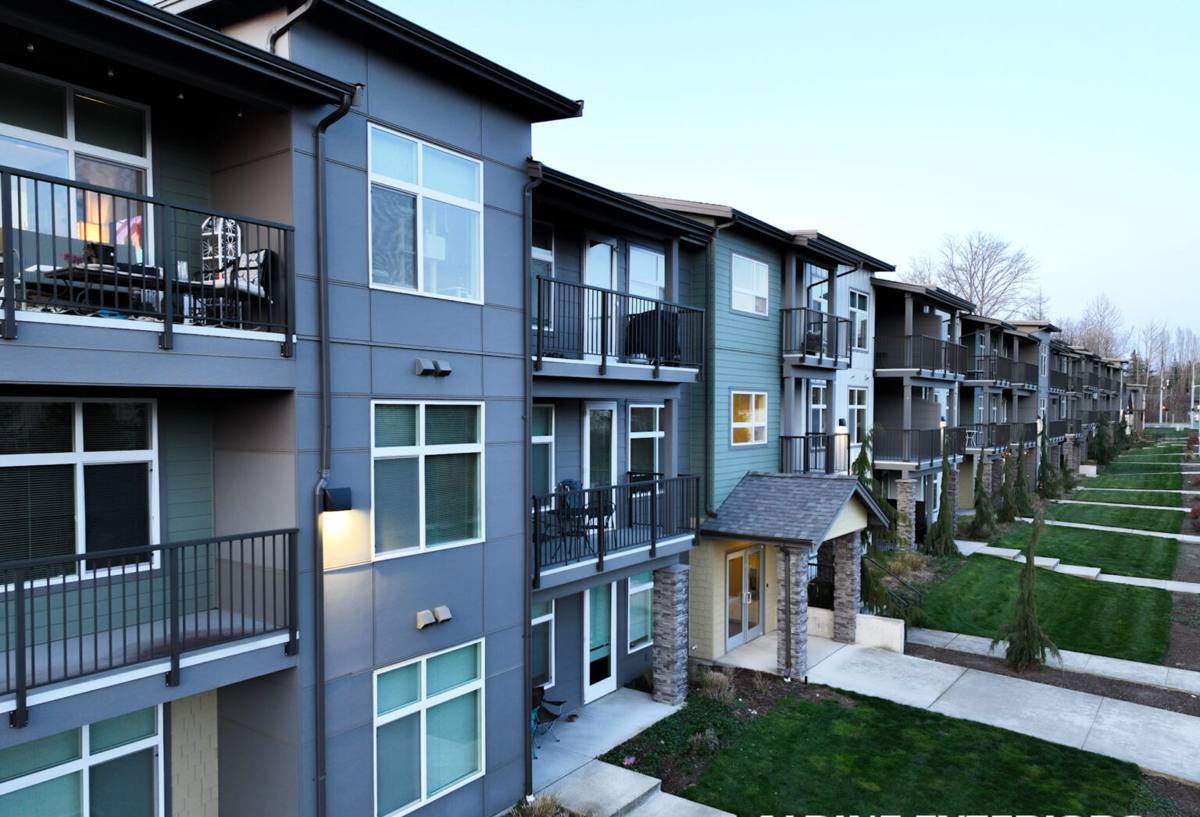
Cost Factor Breakdown
| Factor | Why it moves the price |
|---|---|
| Tear-off vs. overlay | Full removal costs more labor but exposes hidden damage before it's sealed in |
| Wall complexity | Dormers, bump-outs, and cut-ins multiply trim and cutting time |
| Sheathing/framing repair | Rot or moisture damage found during tear-off adds carpentry cost not visible in the original bid |
| Siding material | Material cost per square foot and installation labor vary widely by product |
| House height/access | Two-story walls, steep grades, and limited access add scaffolding or lift time |
| Trim and accessories | Corner boards, trim, soffit, and fascia are often priced apart from field siding |
| Paint/finish | Factory-finished products avoid an on-site paint cost; field-painted products don't |
Comparing Common Siding Materials
We install James Hardie fiber cement exclusively, so we'll say that plainly up front. But a fair cost conversation means understanding what you're actually comparing when you weigh options, so here's an honest look at where each common material lands.
| Material | Relative material + install cost | What drives long-term cost |
|---|---|---|
| Vinyl | Lowest upfront | Shortest realistic lifespan, fades and warps with heat and age, limited repair options when a panel cracks |
| Primed wood (spruce, etc.) | Low to mid | Needs regular repainting and caulk maintenance; most exposed to rot in wet climates |
| LP SmartSide (engineered wood) | Mid | Requires disciplined field caulking and paint maintenance to keep moisture out of the edges |
| Cedar | Mid to high | Attractive but high ongoing maintenance — staining, sealing, and moss/mildew control in our climate |
| James Hardie fiber cement | Mid to high | Higher material cost, but factory-baked ColorPlus finish and non-combustible composition reduce repaint and repair cycles |
The pattern that matters most: the cheapest material to buy is rarely the cheapest material to own for fifteen or twenty years. Paint cycles, caulk maintenance, and moisture-related repairs are real costs — they just show up later and get billed separately, which is why they don't factor into a lot of upfront comparisons.
Why We Standardized on One Product
We used to get asked to install a range of siding materials. We stopped installing several of them — not because they're incapable products in the right conditions, but because our conditions aren't always the right conditions. Whatcom County's combination of persistent moisture, salt air near the water, and long moss seasons is hard on any material that depends on an intact paint film or careful field caulking to keep water out. Fiber cement doesn't rely on a paint film for its structural integrity, and it doesn't feed mold and moss the way wood-based products can. Standardizing on one product also means our crews install it the same way, every time, to the manufacturer's spec — which matters more for long-term performance than most homeowners realize.
The Climate Cost Nobody Puts in a Quote
Ferndale sits close enough to the water that salt air is a real factor on fasteners, trim, and finishes over time — it accelerates corrosion on lower-grade hardware and wears down paint faster than it would inland. Add Whatcom County's driving rain, which drives water sideways into wall assemblies far more than a light straight-down rain would, and you have conditions that punish any weak point in a siding system: a poorly lapped joint, a gap in flashing, a caulk line that wasn't maintained. Then there's moss season, which for us runs the better part of the year — moss and algae hold moisture against a wall surface, and materials that can't shed that moisture or resist that growth pay for it in repainting and rot.
None of this shows up as a line item on an estimate, but it's exactly why the "cheap now" material often isn't cheap over the life of the siding in this specific climate. A siding system that's marginal in Arizona can be a real liability here.
Hidden Costs Worth Budgeting For
- Rot and moisture repair: almost every tear-off in an older home in this area turns up some amount of sheathing or framing repair — budget a contingency rather than assuming zero
- Permits: most municipalities, Ferndale included, require a permit for full siding replacement — a legitimate contractor pulls it, not you
- Window and door trim replacement: if old trim is undersized or damaged, it often gets replaced along with the siding rather than reused
- Disposal: tear-off generates a real amount of debris, and hauling and dump fees are part of an honest bid
- Paint or touch-up: field-finished products carry an ongoing repaint cost that factory-finished products largely avoid
How to Read an Estimate Without Getting Burned
The most useful thing you can do as a homeowner is compare estimates on the same terms. A number that looks low often means less scope, not less profit for the contractor — no tear-off, no allowance for hidden repair, thinner trim package, or a cheaper underlying material. Ask every contractor the same set of questions and make sure the answers are actually written into the contract, not just said out loud.
- Is this a full tear-off, or are you siding over the existing wall?
- What happens, cost-wise, if you find rotted sheathing once the old siding is off?
- What siding material, exact product line, and finish are you quoting — not just "fiber cement" or "engineered wood," but the specific product?
- Is trim, soffit, and fascia included, or priced separately?
- Who pulls the permit, and is that fee included?
- What's the manufacturer's warranty, and is it transferable if you sell the house?
What a Fair Estimate Process Looks Like
A number worth trusting comes from someone who's actually walked your house — checked the siding condition, looked at trim and flashing details, noted wall complexity and access, and asked about any past leaks or moisture issues. Phone or online estimates without a site visit are guesses, and guesses tend to move in one direction once the crew actually gets on the wall.
If you're weighing a siding replacement in Ferndale or anywhere else in Whatcom County, we're happy to walk your home, look at what's actually going on with your existing siding, and give you a straight, no-pressure estimate — including what we'd expect to find once tear-off starts. There's no cost and no obligation to have that conversation.