 Ferndale
 A Local Crew Serving Bellingham Homes
Bellingham sits at the heart of Whatcom County, just south of Ferndale, and it's a big part of the territory we work in every week. Whether you're in an older neighborhood with homes built decades ago or a newer development going up on the edges of town, the exterior of your home is doing constant battle with a marine climate that doesn't let up for long. We're based right here in the area, not dispatched from a call center two states away, and that matters when you're trying to get a straight answer about what your siding, roof, windows, or deck actually need.
Being local means we've seen how Bellingham Bay's salt air, the region's driving rain, and a moss season that can stretch for months affect real homes on real streets. It also means when we tell you what a product or repair will cost, or how long a job will take, we're basing that on work we've actually done nearby — not a national average pulled from a spreadsheet.
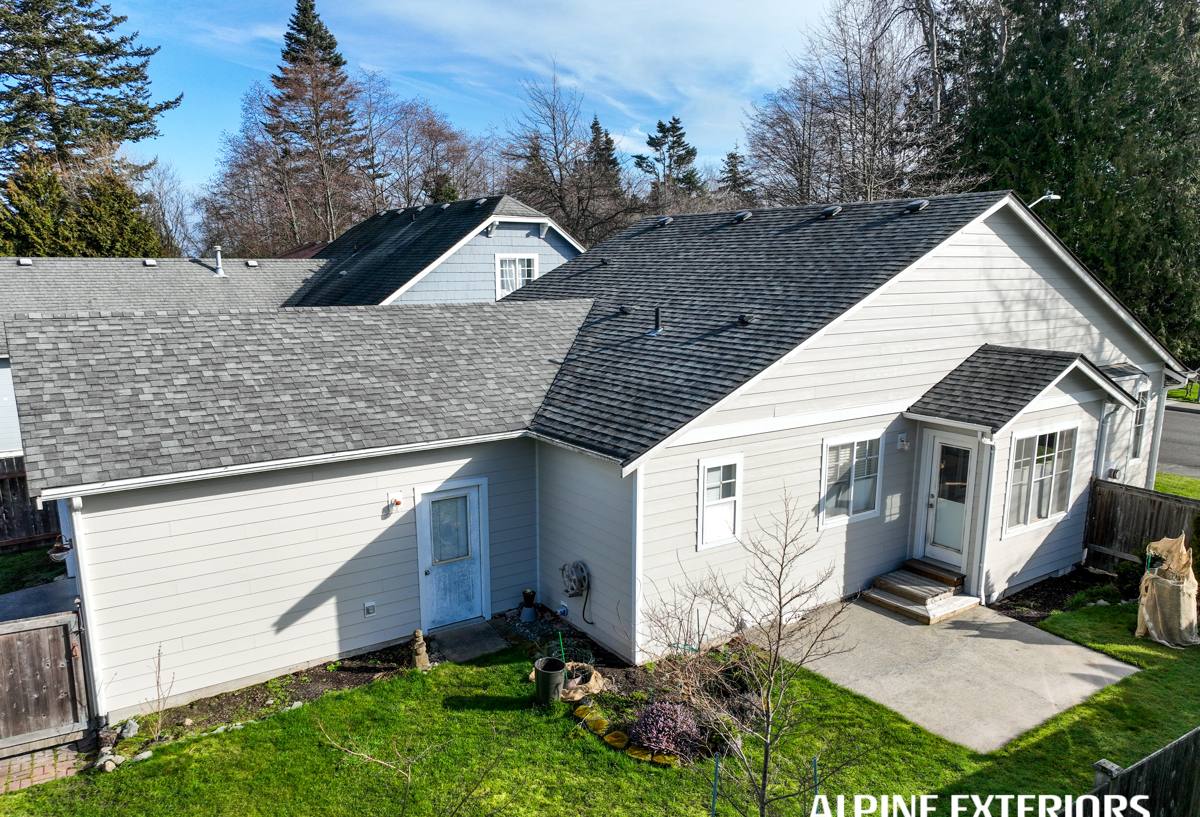
What Bellingham's Climate Does to a Home's Exterior
Salt Air and Coastal Moisture
Homes closer to Bellingham Bay and the broader Puget Sound shoreline deal with a slow, steady form of wear that inland homes don't see as much of. Salt-laden air accelerates corrosion on fasteners, flashing, and any metal components on your roof or siding system. It also tends to travel with moisture, meaning materials that aren't built to handle repeated wetting and drying cycles start to show their age faster — swelling, splitting, or losing paint adhesion well before they should.
Driving Rain
This part of Washington doesn't just get a lot of rain — it gets rain that comes in sideways during storms blowing off the water. Wind-driven rain finds every gap, seam, and poorly flashed joint on a home's exterior. Siding systems and roofing that rely on tight seals rather than genuine water-shedding design are the first to develop hidden moisture problems, often long before anything visible shows up on the surface.
Moss Season
Between the shade from mature trees common in many Bellingham neighborhoods and months of damp, mild weather, moss and algae growth is a fact of life here. It's not just cosmetic. Moss holds moisture against roofing and siding surfaces, and over time that trapped dampness can degrade materials that aren't rated to handle it — particularly untreated wood products and some engineered wood sidings.
Siding: Why We Only Install James Hardie
We install James Hardie fiber cement siding exclusively. We don't install vinyl, LP SmartSide, Cemplank, Allura, primed spruce, or cedar, and we're upfront with every homeowner about why. It's not that these products have no merit — some of them are reasonable choices for certain budgets and situations. It's that after years of doing exterior work in exactly this climate, we settled on one system we're confident holds up to what Whatcom County throws at it, and we'd rather stand fully behind one product than offer several we have reservations about.
The Trade-Offs We Watch Homeowners Run Into
- Vinyl siding can warp or become brittle with temperature swings, and its seams and panel joints give wind-driven rain more opportunities to find a way behind the material over time.
- Wood-based composite sidings (like LP SmartSide) use engineered wood with resin binders — a real improvement over old wood siding, but they're still wood at the core, which means moisture management at every cut edge and seam is critical, especially in a moss-prone, high-moisture climate.
- Other fiber cement brands (Cemplank, Allura) compete directly with Hardie on paper, but we've standardized on Hardie for its factory finish system, product engineering specific to different climate zones, and the depth of installer training and warranty support behind it.
- Primed spruce or cedar siding requires ongoing painting, caulking, and moisture vigilance that most homeowners underestimate — and in a climate with this much sustained dampness, that maintenance schedule tends to slip.
James Hardie fiber cement is non-combustible, resists moisture-driven swelling and rot far better than wood-based products, and comes with a factory-applied ColorPlus finish that's engineered to hold color and resist the fading and chalking that repeated damp weather causes in field-painted siding. Hardie also builds siding lines specifically engineered for different climate zones (their HZ5 product line is built for regions like ours, with wetter, more variable weather), and backs installations with a strong transferable warranty when the work is done to their specification. That last part matters — Hardie's warranty coverage depends on correct installation, which is a big part of why who installs your siding is just as important as which siding you choose.
Roofing, Windows, and Decks — The Rest of the Envelope
Siding is only one piece of a home's defense against this climate. We also handle roofing, window replacement, and deck construction and repair, because a home's exterior works as a system — a well-installed siding job can still let water in if the roof flashing above it is failing, or if window openings aren't properly integrated with the siding around them.
Roofing
In a climate with sustained moss growth and heavy seasonal rain, roofing material choice and proper ventilation matter as much as the shingles themselves. Poor attic ventilation combined with moss buildup is a common combination we find behind premature roof failures in this area.
Windows
Older single-pane or poorly sealed windows are a major source of both energy loss and water intrusion in older Bellingham homes. Replacement windows need to be integrated correctly with the siding and flashing around them — a detail that's easy to get wrong and expensive to fix later if it's missed.
Decks
Decks take a beating from the same driving rain and moisture cycles as siding, with the added stress of standing water on horizontal surfaces and ground-level moisture near footings. Material choice and proper drainage detailing are what separate a deck that lasts from one that needs constant upkeep.
Comparing Common Siding Choices for This Climate
| Material | Moisture Resistance | Maintenance | Typical Lifespan Range |
|---|---|---|---|
| James Hardie Fiber Cement | Strong — engineered for wet climates, non-combustible core | Low — factory finish, occasional cleaning | Multiple decades with proper install |
| Vinyl | Moderate — seams and panel joints are vulnerable points | Low, but limited repair options if damaged | Shorter than fiber cement in harsh coastal exposure |
| Wood-Based Composite (LP SmartSide) | Moderate — depends heavily on sealed edges and joints | Moderate — edge sealing and inspection needed | Shorter if moisture management lapses |
| Cedar / Primed Spruce | Lower without diligent upkeep | High — painting, caulking, moss management | Highly dependent on maintenance consistency |
This is a general comparison based on how these materials typically behave, not a claim about any specific product failing. The right choice depends on your budget, your home's exposure, and how much ongoing maintenance you're willing to take on — we're simply explaining why we chose to build our business around one product line.
What a Bellingham Exterior Project Typically Involves
Assessment
We start by looking at the specific exposure your home has — how much direct weather it gets, tree coverage and shade patterns that affect moss growth, and the condition of existing siding, roofing, trim, and flashing.
Moisture Management First
Before any new siding or roofing goes on, we look hard at the moisture barrier, flashing details, and any existing damage. Installing a good product over a compromised moisture barrier just hides a problem instead of solving it.
Installation to Manufacturer Spec
For James Hardie siding specifically, correct fastening, clearances, and joint treatment are what keep the manufacturer's warranty valid — and what actually determines how well the siding performs in wind-driven rain over the years.
Questions Worth Asking Any Contractor You're Considering
- Are you licensed and insured to work in Washington state, and can you show proof?
- Do you install to the manufacturer's written specifications, and will that keep the product warranty intact?
- How do you handle moisture barriers and flashing details before new siding goes on?
- Can you explain, in plain terms, why you recommend one material over another for my home?
- Will I get a written estimate that breaks down materials and labor, not just a lump sum?
Why Local Knowledge Matters Here
A crew that works across Whatcom County regularly develops a feel for which neighborhoods deal with heavier moss, which areas catch the worst of the wind off the water, and which homes tend to have the moisture problems hiding behind older siding. That's not something you get from a national franchise rotating through unfamiliar territory. It's the difference between a contractor who tells you what your home needs and one who tells you what's easiest to sell.
If you're weighing a siding replacement, a roofing issue, aging windows, or a deck that's seen better days, we're happy to come take a look and give you a straightforward assessment — no pressure, no upsell script. Reach out using the form below to schedule a free estimate.