 Ferndale
 Building on the Edge of Bellingham Bay
Homes in and around Lummi Nation sit closer to salt water than almost anywhere else in Whatcom County. That proximity to Bellingham Bay and the Lummi Peninsula shapes everything about how a house ages here. Wind carries fine salt spray inland, humidity stays high for most of the year, and the tree cover that gives this area its character also keeps roofs and walls shaded and damp for long stretches. It's a beautiful place to live, but it is not a gentle place to be a building.
We've been doing siding, roofing, window, and deck work throughout Whatcom County long enough to know that a house built five miles inland and a house built near the water don't age the same way, even if they're the same floor plan. The Lummi Nation area asks more of its exterior materials than most, and the homes that hold up best are the ones where that was accounted for from the start.
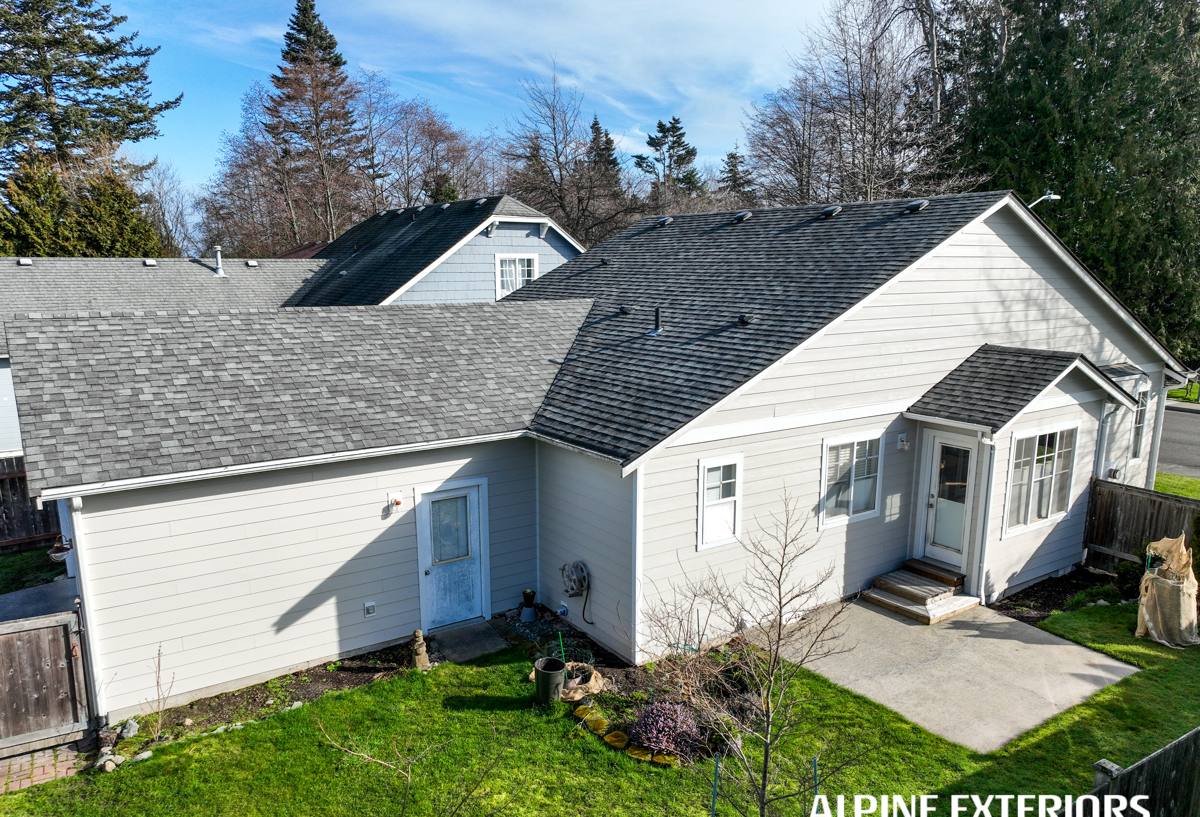
What Salt Air Actually Does to a House
Salt air isn't just "humid air with a coastal smell." Airborne salt is corrosive and hygroscopic — it pulls moisture out of the atmosphere and holds it against whatever surface it lands on. Over years, that has a few predictable effects on a home's exterior:
- Metal fasteners, flashing, and hardware corrode faster than the same materials would inland.
- Painted and coated surfaces break down sooner, especially on the sides of a house that face open water or prevailing wind.
- Wood-based products absorb and hold moisture longer between dry spells, which accelerates rot at seams, edges, and fastener points.
- Anything with exposed, unsealed cut edges becomes a weak point, because raw material takes on salt-laden moisture directly.
None of this means a house near the water is doomed to fail. It means the materials and installation details matter more here than they would in a drier, inland part of the county — and it's why we're picky about what goes on the wall in the first place.
Why Moss Season Runs Long Here
Whatcom County already gets more than its share of rain, but the combination of marine humidity, filtered sunlight under mature trees, and mild winter temperatures makes the Lummi Nation area especially favorable for moss and algae growth. Moss doesn't just sit on a roof or a north-facing wall looking green — it holds water against the surface underneath it, keeps that surface from drying out between storms, and works its way into any gap or seam it can find. On a roof, that means shortened shingle life. On siding, it means paint and coatings degrade faster, and any weak seam becomes an entry point for moisture.
A house here spends more months of the year damp than it does dry. That single fact drives most of the material decisions we recommend for this area.
Why We Standardized on James Hardie Fiber Cement
We install James Hardie fiber cement siding exclusively. We don't install vinyl, LP SmartSide, Cemplank, Allura, primed spruce, or cedar lap siding, and in a climate like the Lummi Nation area's, the reasons matter more than they would somewhere drier.
Fiber cement is made from cement, sand, and cellulose fiber — there's no wood core to absorb moisture and swell, and it's non-combustible. James Hardie's ColorPlus finish is baked on at the factory under controlled conditions, which gives it better long-term adhesion and fade resistance than field-applied paint, and Hardie backs it with a real, transferable warranty on both the substrate and the finish. In a place where salt air and prolonged dampness shorten the life of ordinary painted surfaces, that factory-cured finish is doing real work.
Hardie also makes climate-engineered product lines — their HZ5 formulation is specifically built for regions with more moisture exposure, which describes this part of the county well. We use the product line that matches the climate, not a one-size-fits-all board.
What We're Not Installing, and Why
This isn't about badmouthing other products — most of them are reasonable choices somewhere. But in a marine-influenced climate with heavy moss pressure, the trade-offs stack up differently:
- Vinyl siding expands and contracts more with temperature swings, and its seams and J-channels give moisture more places to collect over time. It also can't be painted to refresh its look once it fades.
- LP SmartSide uses an engineered wood strand core. It performs well when installation and caulking are perfect and stay perfect, but any breach at a cut edge or fastener gives water a path into the wood substrate — a bigger risk near salt water than inland.
- Primed spruce or cedar lap is real wood, and real wood in a damp, salt-air climate needs more frequent repainting and more vigilant caulk maintenance than most homeowners want to keep up with.
- Cemplank and Allura are also fiber cement, and not bad products — but we've built our installation training, warranty relationships, and product knowledge around one system so we can install it correctly every time, rather than being average across several.
Comparing Siding Options for This Climate
| Material | Moisture Behavior | Maintenance Near Salt Air | Typical Lifespan Here |
|---|---|---|---|
| James Hardie fiber cement | No wood core to swell or rot; factory-cured finish | Occasional wash; repaint only if desired, decades out | 30+ years to substrate failure |
| Vinyl | Doesn't absorb water, but seams trap moisture and moss | Regular washing to prevent moss buildup in channels | 15–25 years before fading/warping |
| Engineered wood (LP SmartSide) | Wood strand core vulnerable at breached edges | Vigilant caulk and paint upkeep, especially wind-facing sides | 15–25 years with diligent maintenance |
| Cedar/primed wood lap | Absorbs and releases moisture readily | Repainting every 5–8 years, more with moss exposure | 20–30 years with heavy upkeep |
It's Not Just Siding: Roofing, Windows, and Decks Face the Same Fight
A house is a system, and every exterior surface in the Lummi Nation area deals with the same salt air and moss pressure the siding does. We handle all four trades — siding, roofing, windows, and decks — partly because it's more convenient for the homeowner, but also because the details connect. Flashing at a window has to work with the siding around it. Roof runoff and gutter overflow patterns affect which sides of the siding stay wet the longest. A deck built into a shaded, moss-prone corner needs different fastener and coating choices than one in full sun.
Roofing in Moss Territory
Roofs here take the brunt of moss growth because they're horizontal, shaded, and rarely get scrubbed. Proper ventilation, the right underlayment, and roofing materials chosen for algae and moss resistance all matter more here than in drier parts of the state. A roof replacement is also a natural time to address any moss-related rot at the roofline where it meets the siding.
Windows and Salt-Air Seals
Window seals and frame materials degrade faster in salt-laden air, and a failing seal near the water shows up as fogging or drafts sooner than it would inland. When we replace siding around existing windows, we also check flashing and seals, since that's often where hidden moisture damage originates.
Decks Exposed to the Elements
Decks near Lummi Nation deal with direct rain, shade-driven dampness, and salt exposure all at once. Fastener selection and board spacing matter more here than in a dry inland yard, since standing moisture and moss on deck boards create both a maintenance headache and a slip hazard.
Why a Local Crew Matters Here
Working this part of Whatcom County regularly teaches you things a general contractor from outside the area wouldn't necessarily catch: which sides of a house near the water take the worst weathering, how far moss pressure extends from tree cover, which flashing details actually hold up through a wet Pacific Northwest winter. We're a Ferndale-based crew, and jobs in the Lummi Nation area are part of our regular territory, not an occasional trip. That familiarity shows up in the small decisions — how a job is sequenced around weather, where extra flashing gets added even when it's not strictly required, which fastener spacing we tighten up on the wind-facing wall.
What a Siding Project Looks Like Here
- We walk the exterior and note moss patterns, shaded zones, and any existing moisture or rot damage, especially at trim, corners, and roof-to-wall transitions.
- We check for underlying issues — soft sheathing, failed flashing, damaged house wrap — that need to be addressed before new siding goes on, not covered up by it.
- We recommend the Hardie product line and finish that fits the site's specific sun and moisture exposure.
- Installation follows Hardie's published specs for fastener spacing, clearances, and flashing details, with extra attention on faces most exposed to wind-driven rain and salt spray.
- We walk the finished job with the homeowner and go over simple upkeep — mainly periodic washing to keep moss and algae from getting a foothold.
A Simple Maintenance Checklist for Homes in This Area
- Rinse siding and trim once or twice a year to remove salt residue and early moss growth, especially on shaded or north-facing walls.
- Keep tree branches and shrubs trimmed back from the siding so walls get more airflow and sun.
- Check and clear gutters before the fall rains start, since overflow is a major source of hidden moisture damage.
- Look closely at trim, corner boards, and any penetrations (vents, hose bibs, light fixtures) once a year for early signs of moisture intrusion.
- Address small moss patches on the roof or siding early — a soft wash is a lot cheaper than the repair that comes from ignoring it for years.
If you're planning a siding, roofing, window, or deck project for a home in the Lummi Nation area, we're happy to take a look and talk through what your specific site needs. The estimate is free, there's no pressure, and you'll get a straight answer about what your home is actually dealing with.