 Ferndale
 Why Siding Failure Sneaks Up on Ferndale Homes
Most siding doesn't fail all at once. It fails a little at a time, usually starting in a spot you don't look at very often — behind a shrub, under an eave, on the side of the house that faces the water. By the time a problem is obvious from the driveway, it's often been developing for a year or more underneath the surface.
That slow-motion pattern is especially true here in Whatcom County. Ferndale sits close enough to the Strait of Georgia and Bellingham Bay that salt-laden air reaches painted and metal surfaces year-round, and our wet season brings months of driving rain that gets pushed sideways into walls by wind off the water. Add a shaded, damp climate that's practically ideal for moss and algae growth, and you've got three separate stressors working on your siding at the same time. Knowing what to look for — and where to look — is the difference between a simple repair and a full replacement.
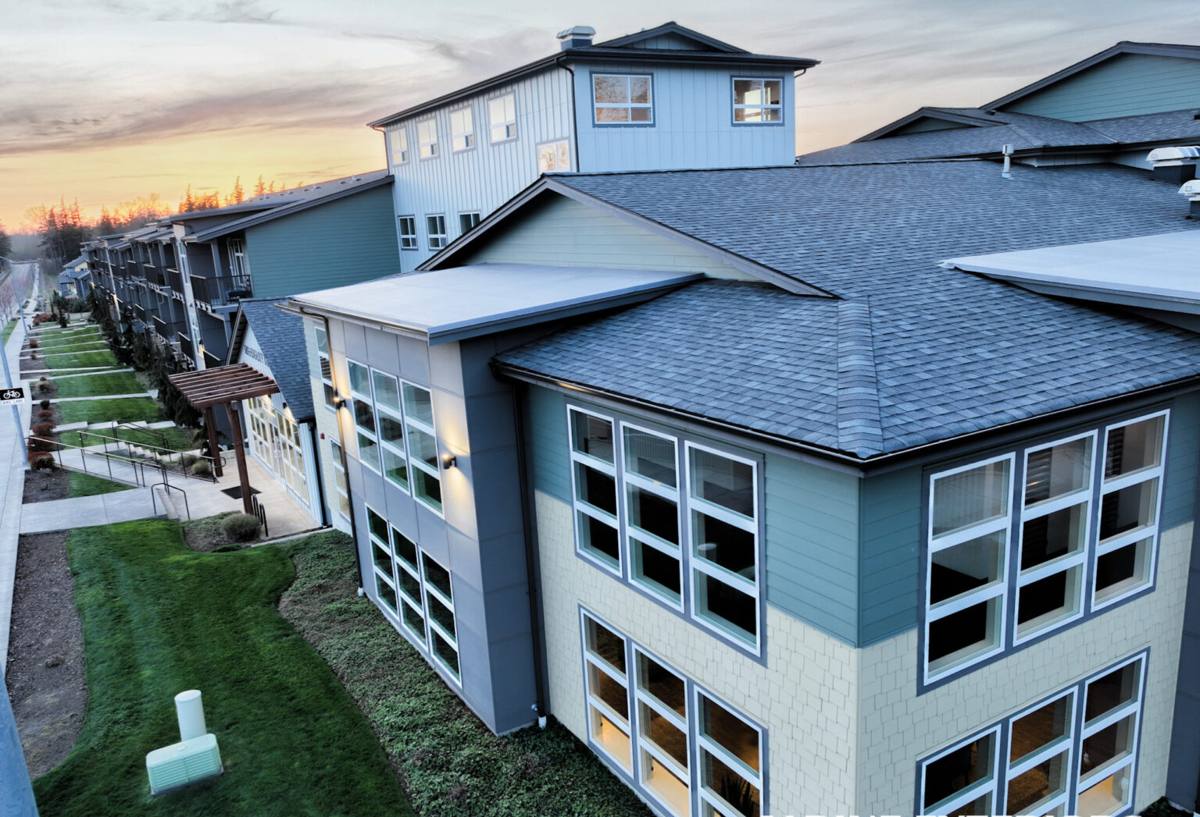
Visual Signs of Siding Failure
Cracking, Warping, and Buckling
Cracks running horizontally along a siding course, boards that bow outward, or panels that look wavy instead of flat are all signs the material has taken on moisture and is moving. Wood-based products are especially prone to this because the fibers swell when wet and shrink when they dry, and repeated cycles eventually break down the board's structure.
Paint That Won't Hold
Paint failure is one of the most reliable early indicators of a bigger problem. If you're repainting the same wall every few years, or you're seeing peeling, bubbling, or chalky residue on your hands after touching the siding, the substrate underneath is very likely absorbing water. Paint is meant to protect the material — when it can't stay adhered, that's the siding telling you it's under stress.
Visible Rot or Soft Spots
Dark, discolored patches, crumbling edges, or areas where you can press a finger into the surface are late-stage signs. By this point the underlying material has usually lost real structural integrity, not just cosmetic quality.
Warning Signs You Can Feel or Smell
Not every failure shows up to the eye first. Some of the most useful clues come from touch and smell, especially near ground level and around windows and doors.
- A musty or earthy smell near exterior walls, particularly after a stretch of rain
- Siding that feels spongy, soft, or gives slightly when pressed
- Cool, damp drywall or trim on the interior side of an exterior wall
- Bubbling or peeling interior paint near baseboards or window frames
- A slight give or flex when you lean on a section of wall that should feel solid
Any one of these on its own might not mean much. Two or more together, especially in the same area of the house, is worth a closer look.
Moss, Algae, and the Ferndale Moisture Cycle
Green or black streaking on siding is common throughout western Washington, and homeowners often treat it as purely cosmetic. Sometimes it is. But moss and algae need sustained moisture to establish themselves, and a wall that stays damp long enough to grow a thick moss mat is a wall that's also giving water more time to work into seams, fastener holes, and butt joints.
Ferndale's tree cover, marine humidity, and long stretches of overcast, drizzly weather make north-facing and shaded walls particularly susceptible. Moss growth that keeps coming back within a season of cleaning, or that's thickest right where two panels meet, is often a sign that the surface isn't drying out between rain events the way it should.
Interior Clues That Point Back to the Siding
Siding problems don't always announce themselves outside first. Inside the house, watch for:
- Musty odors in rooms along exterior walls, even when nothing looks visibly wrong
- Water stains or discoloration on interior walls near window and door headers
- Nail pops or cracking drywall along an exterior wall line
- Higher-than-usual heating bills, which can point to wall assemblies that have lost insulating value to trapped moisture
These signs are easy to blame on other causes — plumbing, condensation, an old furnace — so they often get investigated last. If you've ruled out the obvious indoor sources, the exterior wall assembly deserves a look.
How Failure Signs Differ by Siding Type
What failure looks like, and how fast it progresses, depends heavily on what's actually on the wall. This is worth understanding before you decide whether you're looking at a repair or a replacement.
| Siding Type | Common Early Failure Sign | Common Late-Stage Failure Sign |
|---|---|---|
| Primed spruce / wood lap | Frequent repainting, edge swelling | Soft spots, visible rot at butt joints |
| Vinyl | Warping, fading, brittleness in cold | Cracking, panels pulling loose from fasteners |
| LP SmartSide (engineered wood) | Swelling at panel edges, caulk failure | Delamination, soft or crumbling panel faces |
| Cedar | Graying, cupping, checking | Rot at ground contact and fastener points |
| James Hardie fiber cement | Caulk or paint wear at seams (surface only) | Rare when installed to spec; failures usually trace to flashing or installation gaps, not the board itself |
The pattern across wood-based and engineered-wood products is that moisture intrusion tends to attack the material itself — the fibers swell, soften, and eventually break down. Fiber cement doesn't have organic wood fiber for moisture to feed on, which is a major reason it behaves differently over time. It isn't immune to problems, but when a Hardie installation does fail, it's almost always traceable to a flashing detail, caulking, or an installation error rather than the siding material breaking down on its own.
DIY Inspection Checklist
You don't need special tools to do a basic walk-around inspection. Twice a year — spring and fall are natural points in our climate — walk the full perimeter of the house and check:
- All four sides, including areas hidden by landscaping, fences, or decks
- Corners and edges where two siding runs meet
- Areas below windows, around vents, and near roof-to-wall transitions
- The bottom few feet of siding closest to grade, decks, and downspout discharge points
- Caulking condition at seams, trim, and penetrations
- Paint condition on south- and west-facing walls versus shaded, north-facing walls
- Any spot where moss or algae keeps returning shortly after cleaning
Take a photo of anything that looks off and note the date. A single inspection tells you what a wall looks like today; a couple of inspections a year apart tell you whether a problem is stable or getting worse — and that trend line matters more than any single observation.
Repair or Replace: What Actually Determines the Call
Not every sign of aging siding means the whole house needs new siding. The honest answer depends on how widespread the problem is and what's causing it.
| Factor | Leans Toward Repair | Leans Toward Replacement |
|---|---|---|
| Extent of damage | Isolated to one board or small area | Present on multiple walls or elevations |
| Age of siding | Under 10-15 years, otherwise sound | Original siding is 20+ years old |
| Underlying cause | A single failed flashing or caulk joint | Systemic moisture intrusion behind the wall |
| Material condition | Structure is solid, issue is cosmetic | Soft, delaminating, or crumbling material |
| Paint/finish history | First sign of finish wear | Repeated repainting within a few years |
A licensed inspection is the only reliable way to tell which category you're in, especially since some of the worst damage hides behind the siding itself rather than on the surface.
What We Install When It's Time to Replace
When a homeowner in Ferndale does need to replace failing siding, we only install James Hardie fiber cement. That's a deliberate standard, not a default. We don't install vinyl, LP SmartSide, Cemplank, Allura, primed spruce, or cedar, because each of those products carries trade-offs — moisture sensitivity, maintenance burden, or long-term durability concerns — that we're not willing to put our name behind, especially in a climate that includes salt air, driving rain, and months of moss-friendly damp.
Hardie's fiber cement is non-combustible, holds a factory-applied ColorPlus finish far longer than field-applied paint, and its HZ product lines are engineered specifically for wet, coastal climates like ours. It comes with a strong, transferable warranty, and its performance track record when installed correctly is a big part of why we've standardized on it rather than offering a menu of lower-cost alternatives.
Get an Honest Read on Your Siding
If you've spotted any of the signs above, or you're just not sure how your siding is holding up after another Whatcom County winter, we're happy to take a look. We offer free, no-pressure estimates and inspections — no obligation, just an honest assessment of what we see and what it means for your home.