 Ferndale
 Two Fiber Cement Products, One Important Difference
Homeowners in Ferndale researching siding replacement often run into two names that sound like they should be interchangeable: Cemplank and James Hardie. Both are fiber cement. Both are sold as a durable, low-combustibility alternative to wood, vinyl, and engineered wood siding. On paper, a lot of the marketing language overlaps — "fiber cement," "weather-resistant," "long-lasting finish." That similarity is exactly why we think homeowners deserve a straight answer about what actually separates the two, instead of assuming fiber cement is fiber cement no matter whose name is on the box.
We install James Hardie exclusively. We don't install Cemplank, and this page explains the reasoning — not to trash a competing product, but to be transparent about the standard we hold our own work to and why we settled on one manufacturer instead of quoting whichever fiber cement happens to be cheapest that month.
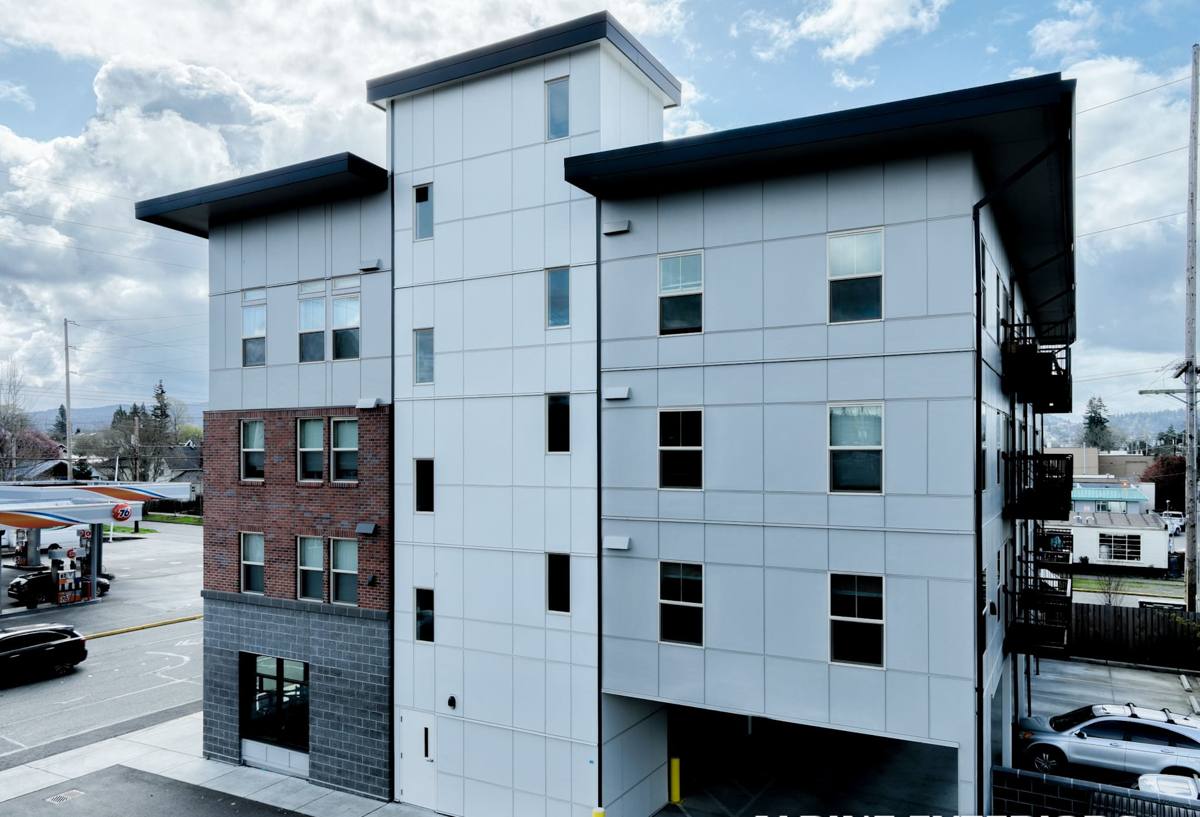
What Cemplank Gets Right
Fair is fair. Cemplank is a genuine fiber cement product manufactured by Plycem, and it shares the core material advantages of the category: it doesn't burn like wood or vinyl, it holds paint and factory finishes better than most wood-based sidings, it resists pest damage, and it's dimensionally stable compared to products that expand and contract heavily with temperature swings. For a homeowner comparing fiber cement to LP SmartSide or cedar, Cemplank is still a step up in the durability conversation. It's a legitimate building material, and contractors who install it well can deliver a solid result.
Where we part ways isn't on whether Cemplank is fiber cement — it is. It's on the details underneath that broad category label: the finish system, the regional engineering, the warranty backing, and the track record of support we can lean on when something needs to be made right years down the road.
Where the Two Lines Actually Diverge
Manufacturing Footprint and Quality Consistency
James Hardie has built its North American manufacturing and quality control specifically around fiber cement as its core business for decades, with dedicated plants and a plant-by-plant consistency standard that installers and inspectors have come to recognize. Cemplank is one product line within a broader building-materials portfolio. That's not a knock on the material chemistry — it's a difference in how much of the company's institutional focus, R&D, and long-term support infrastructure sits behind that one product line versus being spread across several.
Factory Finish System
This is the detail that matters most on a jobsite. James Hardie's ColorPlus finish is a baked-on, multi-coat factory finish applied and cured under controlled conditions, with color-matched caulk and touch-up products engineered specifically for it. Cemplank's factory-finish options exist, but the ecosystem of matched accessories, touch-up systems, and long-run color consistency isn't built out to the same degree in most markets we've seen supply come through. On a house that will spend the next 30-plus years facing Whatcom County rain, that finish system is doing a huge share of the long-term weathering work — it's not a cosmetic afterthought.
Climate-Specific Engineering
James Hardie engineers different formulations (marketed as HZ5 and HZ10 product zones) for different climate exposure levels across the country, adjusting the product for regions that deal with heavy, sustained moisture versus regions with freeze-thaw cycling or dry heat. That regional engineering approach is a meaningful differentiator when we're specifying siding for a house exposed to Pacific Northwest weather patterns rather than a generic national spec.
Warranty Structure: The Part Homeowners Rarely Compare Line by Line
Every fiber cement warranty sounds reassuring in a sales conversation. What matters is what's actually written into the document, how the coverage is structured, and how the manufacturer has historically handled claims.
| Factor | James Hardie (ColorPlus lines) | Cemplank (typical coverage) |
|---|---|---|
| Substrate warranty length | Non-prorated, long-term (product specific — confirm current terms at time of purchase) | Limited warranty, terms vary by product and region |
| Finish warranty | Separate, factory-finish specific coverage (ColorPlus) | Finish coverage varies; not always a distinct factory-finish warranty |
| Transferability | Transferable to subsequent homeowners under stated conditions | Varies by product line and market |
| Installer requirement | Coverage tied to installation per manufacturer specification | Coverage tied to installation per manufacturer specification |
We list this table with a caveat: warranty terms change over time and by product line, so any homeowner comparing options should pull the current written warranty document for the exact product being quoted, not rely on a sales sheet summary. What we can say from experience is that Hardie's warranty paperwork and claims process is something we and our suppliers deal with regularly, and that familiarity is worth something when a claim actually needs to move.
Availability, Install Network, and Accountability
James Hardie runs a Preferred Contractor / Elite Preferred network with training and performance standards tied to it, which gives homeowners a way to check whether a contractor has been vetted specifically on Hardie installation. Cemplank doesn't have an equivalent nationally recognized contractor certification program with the same name recognition. That matters less for the material itself and more for the homeowner's ability to verify who they're hiring — a real gap when fiber cement installation quality (flashing, clearances, fastening pattern, joint treatment) affects performance as much as the board itself does.
There's also a practical supply-chain question: when we need matching trim, replacement boards after a repair, or touch-up product five or ten years after installation, we want confidence that the exact product line will still be in active production and that our regional suppliers stock it consistently. That predictability factored into our decision to standardize.
The Whatcom County Climate Factor
Ferndale sits close enough to salt water and the Strait of Georgia that salt-laden air is a real factor on siding, trim, and fasteners — not just on waterfront homes but well inland from it on breezy days. Add the driving rain that comes through Whatcom County in fall and winter storms, plus a moss season that can run most of the year on north-facing and shaded walls, and you've got an exposure profile that punishes any weak point in a siding system: a thin factory finish, a caulk that doesn't match and seal well, or a substrate that wasn't engineered for sustained wet exposure.
This is the practical reason regional product engineering isn't a marketing footnote to us — it's the difference between siding that sheds moisture and resists staining for decades and siding that shows chalking, streaking, or edge swelling within the first several years in a climate like ours.
Cost Considerations
| Factor | What to weigh |
|---|---|
| Material price per square | Cemplank often prices somewhat below James Hardie on the board itself; get current quotes for your specific product and profile |
| Finish longevity | A factory finish that holds up longer without repainting offsets a higher upfront material cost over the life of the siding |
| Warranty claim experience | A warranty is only worth what it's worth when you actually need to use it — factor in how straightforward that process has been for installers in your market |
| Resale and transferability | A transferable, well-known warranty and brand can matter to a future buyer's inspection and appraisal |
| Installation labor | Labor cost is similar between comparable fiber cement products; it's driven more by house complexity than brand |
We won't publish specific dollar figures here because pricing shifts with material costs, house size, trim complexity, and current supplier pricing — any legitimate contractor should walk you through current numbers for your specific project rather than quoting a generic range from a website.
What We Chose and Why
We standardized on James Hardie because, added together, the finish system, the climate-specific product engineering, the warranty structure, and the contractor accountability network gave us the most confidence that a siding job we complete today will still look and perform well decades from now on a house dealing with salt air, driving rain, and a long moss season. That's not a claim that Cemplank fails — it's a statement about which system we're willing to put our name behind and stand fully accountable for.
Refusing to install every fiber cement brand on the market isn't about limiting options for the sake of it. It's a deliberate choice to know one product system inside and out — its flashing details, its fastening requirements, its touch-up process, its warranty paperwork — rather than spreading that expertise thin across multiple competing lines.
A Practical Checklist for Comparing Fiber Cement Bids
- Ask which specific fiber cement product and profile is being quoted, not just "fiber cement"
- Request the current written warranty document, not a summary — read the transferability and claim process sections
- Confirm whether the finish is factory-applied and what touch-up product matches it
- Ask if the product has a climate-specific formulation for the Pacific Northwest
- Check whether the contractor carries a manufacturer-recognized installation certification
- Get the fastening schedule and clearance details in writing, since installation quality affects warranty coverage
- Compare total cost over the expected life of the siding, not just the material price per square
If you're weighing siding options for a home in Ferndale or elsewhere in Whatcom County, we're happy to walk through what we'd actually recommend for your house and give you a free, no-pressure estimate — no obligation, just a straight answer.