 Ferndale
 Composite Decking Built for Marietta's Coastal Climate
Marietta sits close enough to the water that homes here deal with a different set of conditions than decks built further inland. Salt-laden air, long stretches of driving rain off the Strait, and a moss season that can run from October well into April all put real stress on outdoor living spaces. A deck that looks great in July can start showing problems by the following spring if it wasn't built with this specific climate in mind. Composite decking, installed correctly, is one of the most reliable answers to that problem for Marietta homeowners.
This page covers composite decking specifically for Marietta properties — what the local climate demands, what a correct installation actually involves, and why it matters to work with a crew that already understands this stretch of Whatcom County rather than a general contractor working from a one-size-fits-all playbook.
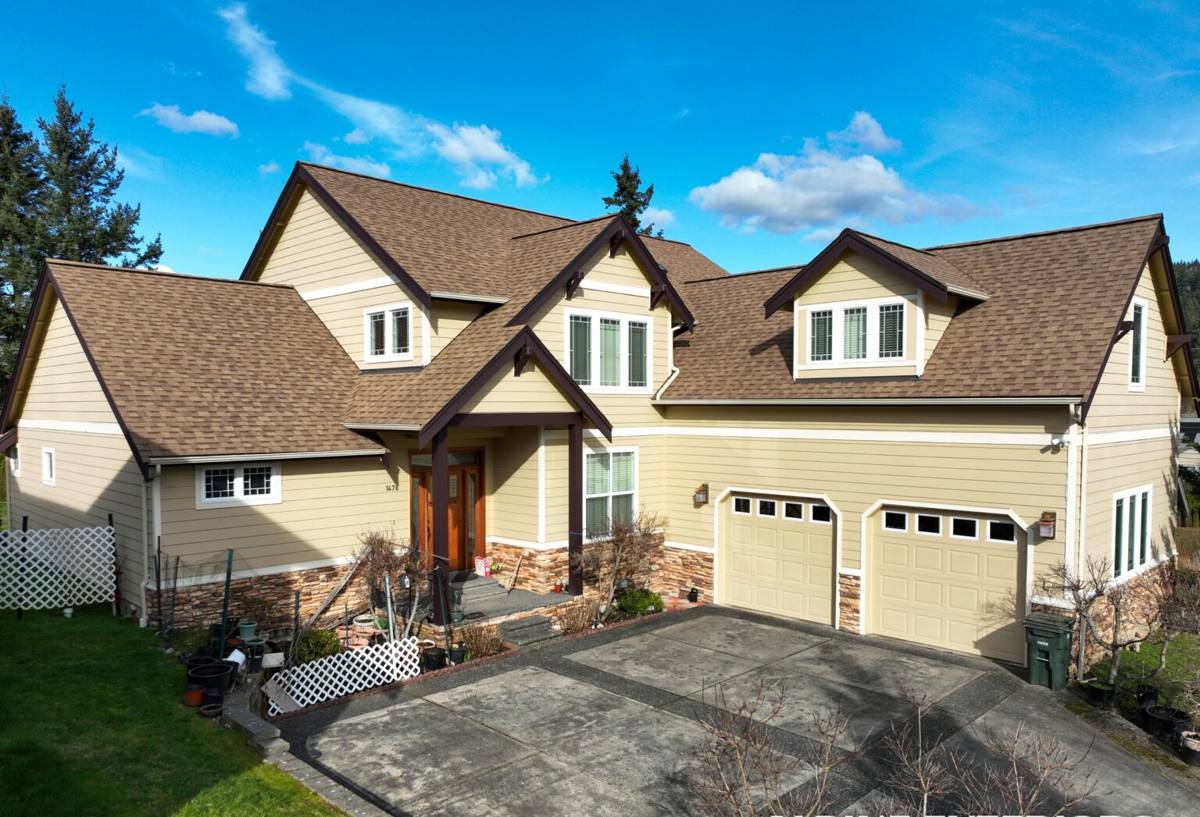
What Salt Air and Driving Rain Do to a Deck
Homes near the water take on moisture and salt exposure that inland properties simply don't deal with. Over time, that combination accelerates corrosion in fasteners and hardware, breaks down finishes on painted or stained wood, and keeps deck surfaces damp longer after every storm. Wood decking is especially vulnerable — even pressure-treated lumber will cup, splinter, and gray faster under repeated wet-dry cycling driven by coastal weather.
Driving rain adds another layer to the problem. When rain comes in at an angle instead of falling straight down, it gets pushed into railing joints, under boards, and into any gap where end grain is exposed. Decks that don't drain and dry quickly hold moisture against the structure, which is exactly the condition that leads to rot in framing and premature failure in fasteners.
Then there's moss. Whatcom County's wet, mild winters create ideal conditions for moss and algae growth on any surface that stays shaded and damp — and a long moss season means more months where a deck surface can become slick and stained if it isn't built to shed water and resist organic growth.
Why Composite Decking Fits Whatcom County Homes
Composite decking is manufactured from a blend of wood fiber and recycled plastic, and in capped composite products, that core is wrapped in a protective polymer shell. That construction directly addresses the three problems above:
- It doesn't absorb water the way solid wood does, so it isn't feeding the wet-dry cycle that causes cupping and splitting.
- It doesn't need repainting or restaining to hold up against salt air and sun exposure.
- Capped boards resist mold and moss growth far better than bare wood, and clean up with routine washing rather than sanding and refinishing.
None of that means composite decking is maintenance-free — it still needs to be installed and cared for correctly — but it removes the recurring cycle of stripping, sanding, and refinishing that wood decking demands in a marine climate like this one.
Where Composite Still Requires Judgment
Composite boards expand and contract with temperature more than wood, and different manufacturers specify different gapping and fastening tolerances. Getting this wrong is one of the most common causes of buckled, squeaking, or uneven composite decks — it's a product that rewards correct installation and punishes shortcuts more than traditional lumber does.
What a Correct Composite Deck Installation Involves
A composite deck is only as good as what's underneath it. We treat the substructure with the same seriousness as the visible decking, because that's what determines whether the deck is still solid in ten or fifteen years.
Substructure and Framing
Joists and beams need adequate size and spacing for the specific composite product being installed — composite boards generally require tighter joist spacing than solid wood, and manufacturers publish minimum spans that we follow rather than guess at. In a wet climate, we also pay close attention to ledger board flashing where the deck attaches to the house, since that's a common point where water gets behind siding and causes hidden damage over time.
Ventilation and Drainage
Low-clearance decks and decks built close to grade need enough airflow underneath to let moisture escape rather than sit trapped against the framing. Where clearance is limited, that can mean adjusting the substructure design or adding drainage measures so water has somewhere to go besides pooling under the deck.
Fasteners and Hardware
Given the salt exposure in Marietta, we use fasteners and structural hardware rated for corrosion resistance in coastal conditions — this is not a place to save money with standard hardware, since corroded fasteners are one of the leading causes of deck failure near saltwater.
Board Spacing and Fastening Method
Composite boards need consistent gapping for drainage and thermal movement, and the fastening method (hidden clips versus face screws) affects both appearance and how the board is allowed to expand and contract. We follow the manufacturer's specified gap and fastening pattern for the product installed rather than using a generic approach across every job.
Composite Decking Options Compared
Homeowners in Marietta typically choose between a few tiers of composite and PVC decking. The table below outlines the general trade-offs — actual product lines and pricing vary by manufacturer and availability.
| Type | Moisture Resistance | Maintenance | Typical Cost |
|---|---|---|---|
| Uncapped composite | Good, but exposed core can absorb some moisture over time | Occasional cleaning; more prone to staining | Lower |
| Capped composite | Very good — polymer shell blocks moisture from the core | Periodic washing; resists mold and moss well | Mid-range |
| PVC decking | Excellent — no wood fiber in the board at all | Low; very resistant to moisture and staining | Higher |
For most Marietta homes, capped composite offers the best balance of upfront cost and long-term performance against salt air and moisture. PVC is worth considering for decks in especially exposed or low-ventilation locations where moisture resistance matters most.
Our Process From Estimate to Finished Deck
- On-site assessment — we look at drainage, sun and shade exposure, proximity to the water, and the condition of any existing structure before recommending a decking product.
- Product selection — we walk through composite and PVC options with honest trade-offs on cost, appearance, and maintenance, rather than pushing a single product line.
- Substructure work — framing, ledger flashing, and any drainage or ventilation corrections happen before a single deck board goes down.
- Installation — boards are gapped, fastened, and finished per manufacturer specification, including stair, railing, and fascia details.
- Final walkthrough — we go over care recommendations specific to a coastal Whatcom County property so the deck stays looking right for years, not just for the first season.
Moss, Mildew, and Long-Term Care
Even a well-built composite deck benefits from a little seasonal attention, especially given how long the moss season runs in this part of Washington. A simple maintenance checklist for Marietta homeowners:
- Sweep debris off the deck regularly, especially in fall when leaves and needles trap moisture against the surface.
- Wash the deck a couple of times a year with a soft-bristle brush and a cleaner rated for composite decking — pressure washing on the wrong setting can damage the surface texture.
- Keep gutters and downspouts clear so runoff isn't draining directly onto or under the deck.
- Check railing posts and stair connections annually for looseness, which can develop faster in areas with salt exposure.
- Trim back overhanging vegetation to reduce shade and moisture that encourage moss growth on the deck surface.
Cost Factors for a Marietta Composite Deck
Every deck is different, but a few factors consistently move the price up or down for local projects:
| Factor | Effect on Cost |
|---|---|
| Deck size and shape | Larger decks and multi-level or angled designs increase material and labor |
| Substructure condition | Rebuilding framing versus building on a sound existing structure changes scope significantly |
| Product tier | Uncapped composite, capped composite, and PVC carry different material costs |
| Railing and stair details | Custom railing, multiple stair sections, or built-in features add labor |
| Site access | Difficult access or grading work adds time and equipment needs |
We provide a written estimate that breaks these factors down for your specific property rather than a flat per-square-foot number that doesn't reflect the actual job.
Why Hire a Crew That Already Works Marietta
A lot of decking problems in this area don't come from bad materials — they come from installation decisions that don't account for local conditions. A crew unfamiliar with Whatcom County's rain patterns, moss pressure, and salt exposure may build a technically sound deck for a drier climate that still underperforms here. Working with a contractor already doing this work in Marietta and the surrounding Ferndale area means the flashing details, fastener choices, ventilation planning, and product recommendations are already calibrated to what actually holds up on this stretch of coastline, not just what holds up in a manufacturer's general installation guide.
If you're considering composite decking for a home in Marietta, we're happy to take a look at your property and put together a straightforward, no-pressure estimate — just fill out the form below to get started.