 Ferndale
 Deck Building in Cordata: Built for the Weather We Actually Get
Cordata sits close enough to Bellingham Bay that homes here deal with the same combination that gives every Whatcom County contractor headaches: salt-tinged air, driving rain that comes in sideways more often than straight down, and a moss season that can stretch from October well into April. A deck in this part of Washington isn't just a place to put a grill and a couple of chairs — it's an exterior structure that sits exposed to moisture nine or ten months of the year. Build it like it's going in a dry climate and you'll be replacing boards, or worse, dealing with a soft ledger board, inside of a decade.
We build decks in Cordata the way this climate requires: correct drainage from the ground up, materials chosen for wet-weather performance rather than looks alone, and construction details that keep water from sitting where it doesn't belong. This page covers what that actually looks like, so you know what to expect and what to ask about before hiring anyone.
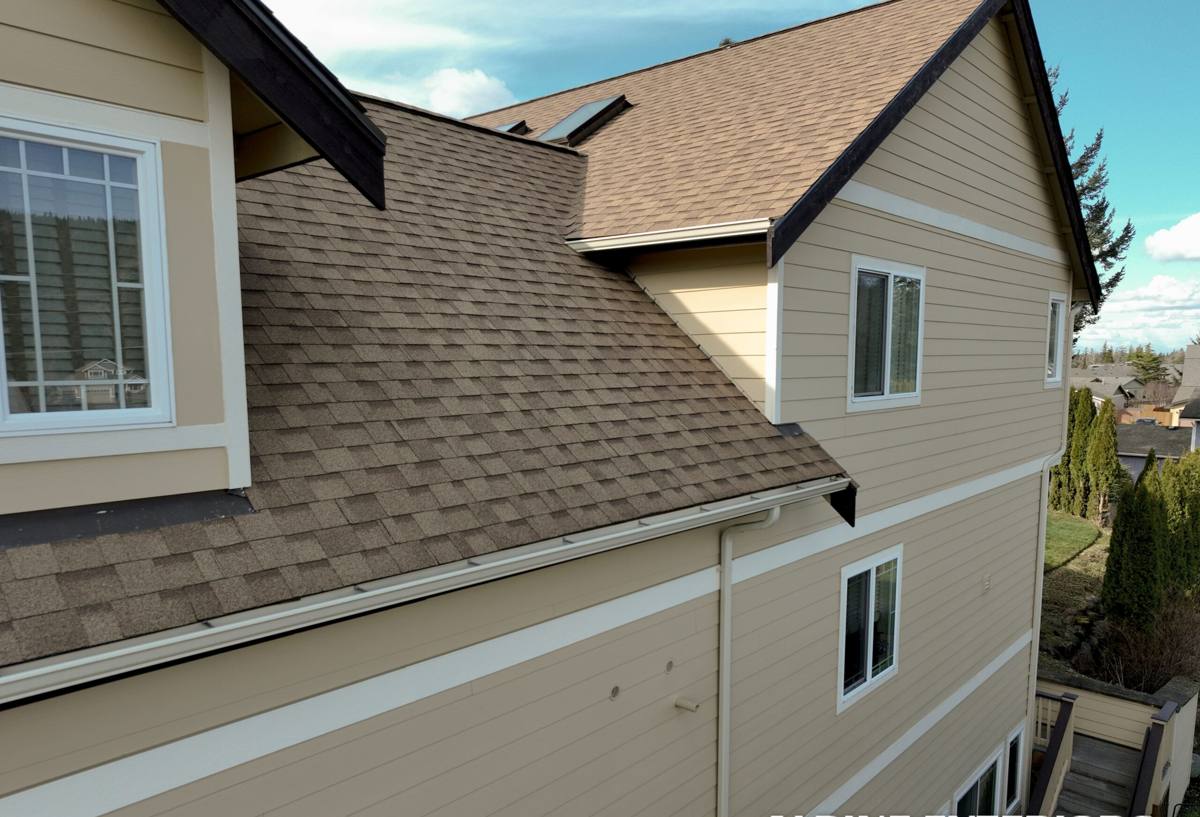
What Cordata's Climate Does to a Deck
A few things about this specific area matter more than people expect when they're planning a new deck or replacing an old one:
- Moisture load: Long stretches of steady, low-intensity rain keep wood surfaces damp for days at a time, especially on decks that get partial shade from trees or the house itself.
- Moss and algae growth: The extended damp season means moss gets a foothold on any horizontal surface that doesn't drain or dry quickly — decking boards, stair treads, and especially north-facing sections.
- Salt-influenced air: Proximity to the Bay means fasteners, hardware, and connectors need corrosion resistance beyond what you'd specify further inland.
- Freeze-thaw swings: Whatcom County gets enough cold snaps mixed with wet ground that footings need to be set below frost depth and properly drained, or they'll shift over a few winters.
None of this means a deck can't last decades in Cordata. It means the build has to account for these conditions from the footings up, not just at the surface.
Choosing Decking Material for This Area
There's no single "best" decking material — there's a best fit for how you'll use the space, your maintenance appetite, and your budget. Here's how the common options actually perform in a wet, moss-prone climate like this one.
| Material | Moisture Performance | Maintenance | Typical Lifespan Here |
|---|---|---|---|
| Pressure-treated fir/hem-fir | Good if sealed and kept ventilated underneath | Re-stain or seal every 2-3 years | 15-20 years |
| Cedar | Naturally rot-resistant, but softer surface holds moisture in grain | Annual cleaning, periodic oil/sealer | 15-25 years |
| Composite decking | Excellent — doesn't absorb water or rot | Periodic wash to prevent moss film on the surface | 25-30+ years |
| PVC/capped polymer | Excellent — fully sealed surface | Lowest of the group; occasional wash | 25-30+ years |
We don't push composite or PVC on every job — a lot of homeowners want the look and feel of real wood and are willing to do the maintenance. What we won't do is install untreated or low-grade lumber and call it good for this climate, or sell a moisture-sensitive product without being upfront about the upkeep it needs. That's a standard we hold regardless of what's cheapest to install.
Substructure Materials Matter Just as Much
The decking surface gets all the attention, but the framing underneath — joists, beams, posts — is what actually determines how long a deck lasts in wet ground conditions. We frame with properly rated pressure-treated lumber sized for the span and load, not undersized joists spaced too far apart to save on material.
What a Correct Deck Build Actually Involves
A lot of deck problems we get called out to inspect in this area trace back to shortcuts taken during the original build, not the decking material itself. A correct build includes:
- Footings sized and set to local frost depth, with proper drainage gravel so water doesn't pool against concrete.
- Ledger board attachment flashed correctly where the deck meets the house — this is the single most common failure point we see, since a poorly flashed ledger lets water into the house rim joist.
- Joist spacing appropriate to the decking material and expected loads, not stretched to cut down on lumber.
- Corrosion-resistant fasteners and structural hardware rated for ground contact and exterior exposure.
- Enough clearance and airflow underneath the deck so the framing can dry out between rain events instead of staying damp.
- Stairs and railings built to current code for rise, run, and guard height — not just "close enough."
None of this is exotic. It's the difference between a deck that's built to spec and one that looks fine on day one but starts showing problems in year three or four.
Our Deck Building Process
- On-site assessment: We look at grade, drainage, sun/shade exposure, and how the deck ties into the house before talking materials.
- Design and material selection: We walk through options honestly, including what each one costs to maintain over time, not just to install.
- Permitting: Most deck projects of meaningful size require a permit through the local jurisdiction. We handle that process as part of the job rather than leaving it to the homeowner.
- Footings and framing: Built to span and load requirements with drainage and ventilation planned in from the start.
- Decking, stairs, and railings: Installed with fastening patterns and gaps appropriate to the material's expansion behavior in wet weather.
- Final walkthrough: We go over maintenance expectations specific to the material you chose, so there are no surprises the first wet winter.
Moss, Mildew, and Keeping a Deck Usable Year-Round
Moss on a deck isn't just cosmetic — it holds moisture against the surface and makes boards slick and dangerous when wet. In Cordata, north-facing decks and sections shaded by trees or the house are the areas that need the most attention. A few things reduce the problem significantly:
- Gaps between boards sized correctly so water and debris don't accumulate and hold moisture.
- Keeping gutters and downspouts clear so runoff isn't dumping directly onto or near the deck surface.
- Periodic cleaning before moss gets a real foothold — much easier than removing it once established.
- Trimming back overhanging vegetation where practical to let more light and airflow reach the deck.
We design and build with these factors in mind rather than treating moss as an inevitable maintenance chore you just have to live with.
Common Problems We Find on Existing Decks in This Area
When we're called out to inspect or repair a deck in Cordata, the issues tend to repeat:
- Rotted ledger boards from missing or improperly installed flashing where the deck meets the house.
- Undersized or shallow footings that have shifted after a few freeze-thaw cycles.
- Rusted or corroding fasteners that weren't rated for exterior ground-contact use.
- Decking boards installed too tight together, trapping moisture and accelerating rot or moss buildup.
- Railings that no longer meet code height or spacing requirements, often from older builds or DIY additions.
Most of these are avoidable with correct construction the first time. Some are repairable without a full rebuild; others mean the structural work needs to be redone even if the decking itself still looks fine.
Planning a New Deck: A Practical Checklist
- Know your intended use — dining, grilling, hot tub, entertaining — before finalizing size and layout.
- Check how much sun versus shade the space gets across the day and across seasons.
- Ask about footing depth and spacing, not just decking material.
- Confirm who's pulling the permit and handling inspections.
- Ask what fastener and hardware grade will be used, given the coastal-influenced air in this area.
- Get a maintenance rundown for whatever material you choose before you commit to it.
Why a Crew That Already Works in Cordata Makes a Difference
Deck construction principles don't change from town to town, but the conditions that stress a deck do. A crew that regularly works in Whatcom County knows how deep footings need to go here, which fastener grades hold up against the air quality near the Bay, and how much airflow a deck substructure actually needs to dry out between the rain events that define this region's fall and winter. That's not something you pick up from a general contracting background in a drier climate — it's specific to building here, season after season.
We're not interested in building the cheapest deck possible or the most expensive one — we're interested in building one that's still solid, safe, and worth using ten and twenty years from now, in the weather this area actually delivers.
Get a Straightforward Estimate
If you're planning a new deck in Cordata or need an honest look at one that's showing its age, we're glad to come take a look. There's no pressure and no obligation — just a straight assessment of what your project needs and what it will take to do it right. Use the form below to request a free estimate.