 Ferndale
 Storm Damage Roof Repair Built for Custer Homes
Custer sits in an exposed stretch of Whatcom County, close enough to the water and open farmland north of Ferndale that roofs here take a different kind of beating than roofs tucked into more sheltered neighborhoods. Wind off the Strait has a clear run across open fields before it hits a roofline, driving rain sideways under shingle tabs and loosening flashing that would otherwise sit tight for decades. When a storm does damage, the fix has to account for that exposure, not just patch what's visible from the ground.
We handle storm damage roof repair for homes throughout Custer and the surrounding Ferndale area, from small wind-lifted shingle sections to larger repairs after a heavy blow. This page walks through what storm damage actually looks like here, what a correct repair involves, and how our process works from the first call to the finished job.
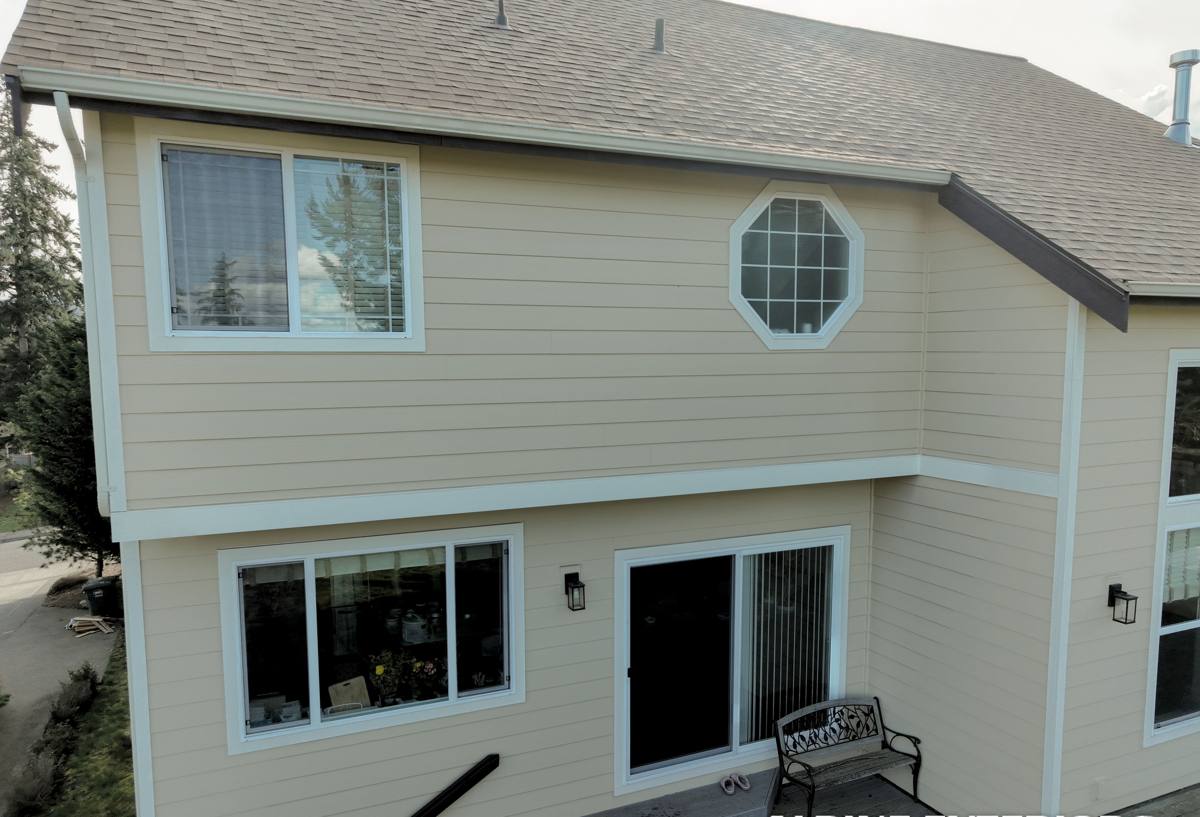
What Whatcom County Weather Does to a Roof
Three things drive most of the storm repair calls we get in and around Custer:
Salt Air and Corrosion
Homes closer to the water deal with salt-laden air that accelerates corrosion on exposed metal — nail heads, flashing seams, gutter fasteners, and vent caps age faster here than they would inland. A fastener that's rusted through is a much easier entry point for wind to grab a shingle edge during the next storm.
Driving Rain
Wind-driven rain doesn't behave like a normal rain shower. It gets pushed sideways and upward under shingle edges, around chimney flashing, and into any gap that a straight-down rain would never reach. This is why storm damage often shows up as a leak weeks after the storm itself — water worked its way in gradually rather than pouring through an obvious hole.
Long Moss Season
Whatcom County's damp, mild climate keeps moss and algae growing on north-facing and shaded roof slopes for most of the year. Moss holds moisture against the shingle surface, which weakens the mat over time and makes that section of roof more vulnerable when wind and rain do arrive. A storm often finishes off damage that moss quietly started.
Signs Your Custer Home May Have Storm Damage
Not all storm damage is obvious from the driveway. After any significant wind or rain event, it's worth checking for:
- Shingles that look lifted, curled, or creased along the tab edges
- Granules collecting in gutters or at the base of downspouts
- Bent, lifted, or missing flashing around chimneys, vents, and skylights
- Water stains on interior ceilings, especially near exterior walls or chimneys
- Debris — branches, needles, or moss clumps — pushed up under shingle edges
- Gutters pulled away from the fascia or sagging in sections
- Any daylight visible through the attic roof deck
If you notice any of these after a storm, it's better to have it looked at soon. A small repair now is almost always cheaper than the water damage that follows a delay.
What a Correct Storm Damage Repair Actually Involves
Assessment Before Anything Gets Touched
A proper repair starts with a full inspection, not just a look at the spot that's obviously damaged. Wind damage tends to spread — a section that looks fine can have loosened nails or lifted seals that will fail in the next storm. We check the whole roof plane, the flashing details, and the attic space for signs of moisture before quoting a repair.
Matching Materials, Not Just Patching
Shingles fade and weather over time, so an honest repair uses materials that match as closely as possible in both product line and color, and we're upfront when an exact match isn't available. A patch that stands out isn't just a cosmetic issue — mismatched shingles can also mean mismatched wind ratings and sealant compatibility.
Flashing and Underlayment Get the Same Attention as Shingles
Most leaks trace back to flashing, not shingles. Repairing storm damage without checking chimney flashing, step flashing, and valley flashing is a good way to end up back on the same roof in a year. Where underlayment has been exposed to weather, we replace it rather than resealing over it — underlayment that's been saturated once will fail faster the second time.
Ventilation Gets Checked, Too
Poor attic ventilation traps moisture that accelerates moss growth and shortens shingle life from underneath. If a repair area shows signs of trapped heat or moisture, we'll flag it — sometimes the cause of repeated storm damage in one spot is an airflow problem, not a materials problem.
Common Storm Damage We See Around Custer
| Damage Type | Typical Cause | Repair Approach |
|---|---|---|
| Lifted or torn shingle tabs | Sustained wind gusts catching an edge | Reseal or replace affected shingles, check surrounding seal strips |
| Granule loss | Wind-driven rain and age combined | Assess remaining shingle life; spot-repair or recommend replacement if widespread |
| Flashing separation | Wind uplift plus corroded fasteners | Remove and reset flashing with new fasteners and sealant |
| Moss-weakened sections | Long-term moisture retention on shaded slopes | Remove moss, treat area, repair or replace compromised shingles |
| Gutter and fascia damage | Wind load and debris impact | Reattach or replace gutter sections, inspect fascia for rot |
| Interior water staining | Slow leak from a storm weeks prior | Trace leak path to source, repair roof, note any decking damage |
Repair or Replace? How We Make That Call
Not every storm-damaged roof needs a repair, and not every repair should become a full replacement. We look at three things before making a recommendation:
Remaining Roof Life
If the roof is already near the end of its expected service life, a large repair can be a poor use of money compared to planning a replacement. If it's mid-life and otherwise sound, a targeted repair is usually the right call.
Extent and Location of Damage
Isolated damage in one or two areas is a repair. Damage spread across multiple slopes, or damage that's revealed widespread granule loss and brittle shingles elsewhere, usually points toward replacement being the more honest recommendation.
What Your Insurance Adjuster Documents
If you're filing a claim, we'll point out anything relevant to the adjuster's assessment — but the repair-versus-replace decision is ultimately about the condition of the roof, not what a claim will cover. We'll always tell you what we'd do on our own house.
Our Process, Start to Finish
- Inspection. We walk the roof (or use appropriate equipment for steep or fragile sections) and document what we find, including photos.
- Written estimate. You get a clear scope of work and price before anything is scheduled — no surprise add-ons once we're on the roof.
- Emergency mitigation, if needed. If there's an active leak or exposed decking, we'll tarp or dry it in before a full repair can be scheduled, to stop further damage.
- Repair work. We remove damaged materials, repair or replace decking if needed, and install matched shingles, flashing, and underlayment.
- Cleanup and final check. Job site is cleared of debris and old materials, and we walk the repair with you before calling it done.
Working With Your Insurance Company
Many storm damage repairs in Custer go through homeowners insurance, and we're glad to work alongside your adjuster. That said, our documentation and recommendations reflect what the roof actually needs — we won't inflate a scope to match a claim, and we won't downplay damage to make a repair look simpler than it is. If your policy or deductible makes a smaller repair more practical than filing a claim, we'll tell you that too.
Why a Crew That Already Works Custer Matters
Storm damage repair isn't just about swinging a hammer — it's about knowing what a given roof orientation and exposure typically deals with in this part of Whatcom County. A crew that regularly works Custer and greater Ferndale knows which roof slopes tend to hold moss longest, which fastener types hold up better against salt air, and where wind uplift tends to concentrate on the local roof styles common to the area. That local pattern recognition speeds up diagnosis and helps us catch secondary damage that an out-of-area crew might miss on a first pass.
It also means we're not disappearing after the invoice. If a repair doesn't hold up the way it should, or a new issue shows up after the next storm, we're a short drive away — not a company that only shows up when storms bring a wave of out-of-town crews through the county.
Reducing Future Storm Damage
A few maintenance habits go a long way toward keeping storm damage minor instead of major:
- Keep gutters clear so wind-driven rain has somewhere to go besides under the shingles
- Trim back branches that overhang the roof and can gouge shingles during high wind
- Address moss early, before it spreads across a full slope
- Have flashing checked every couple of years, especially around chimneys and skylights
- Get a quick inspection after any storm with sustained winds, even if nothing looks obviously wrong
If a recent storm has you wondering about the condition of your roof, we're happy to take a look and give you a straight answer — no pressure, no upsell. Fill out the form below for a free estimate and we'll get back to you to schedule a time that works.