 Ferndale
 Why Everson Decks Wear Out Faster Than You'd Expect
Everson sits in the Nooksack River valley, a few miles inland from the coastal weather that soaks the rest of Whatcom County. That river-bottom setting means fog sits longer in the mornings, humidity lingers under tree cover, and a lot of yards stay shaded and damp well into the afternoon even on days that look dry. Add in the driving rain that rolls through the county from fall through spring, and you've got a climate that's genuinely hard on exterior wood and framing lumber.
The same marine-influenced weather pattern that brings salt-tinged air across the rest of Whatcom County also sets up the long, wet stretches that let moss and algae take hold. On a deck, moss doesn't just look bad — it holds moisture against the boards and fasteners for weeks at a time, which is exactly the condition that causes rot, corrosion, and slow structural failure. We see this pattern on decks all over the Everson and Ferndale area, and it's the main reason deck repair here is rarely a cosmetic job. It's usually a moisture problem that's been building for a while.
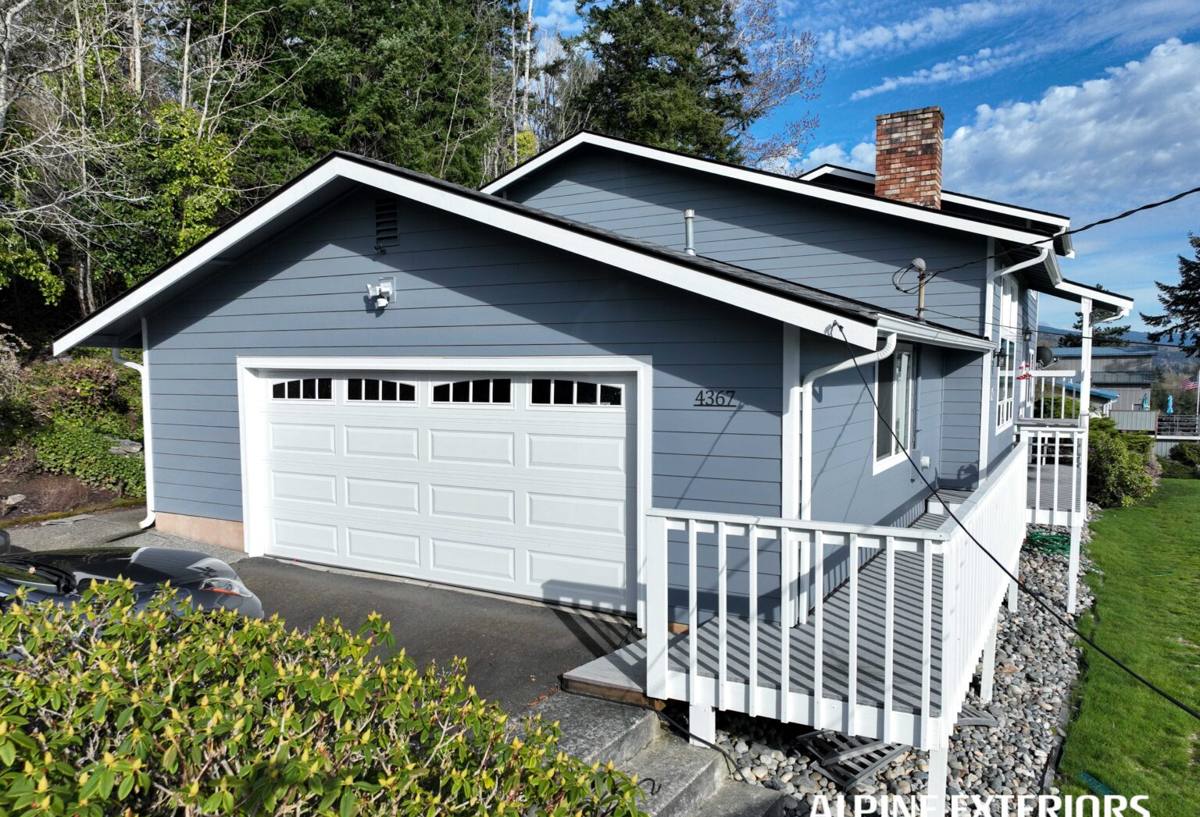
Signs Your Deck Needs Repair, Not Just a Cleaning
A power wash and a fresh coat of sealant can make a tired deck look better without fixing anything underneath. Here's how to tell the difference between a deck that needs surface care and one that needs actual repair work.
- Boards that feel spongy, springy, or soft when you walk on them, especially near the house or along the edges
- Gaps opening up where the deck meets the house (the ledger board connection) — a common early sign of hidden water intrusion
- Rust streaks bleeding out from screws or nails, which means moisture has been sitting against the metal
- Handrails or posts that wobble or flex when you lean on them
- A musty or earthy smell coming from underneath the deck
- Persistent moss or dark staining between boards that keeps coming back within weeks of cleaning
- Visible gaps, cracking, or splitting at the joints where joists meet beams or posts
Any one of these on its own might be minor. Several at once usually means water has been getting into the structure for more than a season, and it's worth having someone look underneath rather than just resurfacing.
What a Correct Deck Repair Actually Involves
Structural Framing Comes First
The part of a deck that fails first is almost never the decking boards themselves — it's the framing underneath: the ledger board, joists, beams, and posts. A repair that only replaces visible boards but skips an inspection of the framing is a cosmetic fix on a structural problem. Any soft or discolored framing lumber needs to come out and be replaced, not just covered over.
The Ledger Board and Flashing
The ledger board — the piece that attaches the deck directly to your house — is the single most common failure point on decks in wet climates like ours. If it wasn't flashed correctly when the deck was built, or if the flashing has failed over time, water runs down the siding and gets trapped right where the deck meets the house. This is often invisible from the surface and only shows up once the wood underneath has already started to rot. Correcting this properly means pulling back the decking, checking the flashing, and rebuilding that connection so water sheds away from the house instead of into it.
Fasteners and Hardware
Old nails or the wrong grade of screws corrode faster in our humid, rainy conditions and can weaken over time even when the wood around them still looks fine. A proper repair uses fasteners and structural hardware rated for exterior, ground-contact, or treated-lumber use, matched to whatever decking material is going back down.
Repair or Replace? What Actually Drives the Decision
Not every deck with problems needs to be torn out. The right call usually comes down to how much of the structure is still sound. Here's how we weigh it.
| Factor | Leans Toward Repair | Leans Toward Replacement |
|---|---|---|
| Framing condition (joists, beams, posts) | Solid, no soft spots | Widespread rot or soft wood |
| Ledger board / house connection | Intact, flashed correctly | Rotted, poorly flashed, or missing flashing |
| Extent of surface board damage | Isolated boards or sections | Damage spread across most of the deck |
| Age of the deck | Newer, well-built structure | Original framing decades old |
| Local code compliance | Railings, footings meet current code | Undersized footings or non-compliant railings |
A deck with sound framing but a handful of rotted boards is usually a straightforward, cost-effective repair. A deck where the framing itself is compromised — especially at the ledger board — often makes more sense to rebuild, because patching around failed structural lumber just delays the same problem.
Our Deck Repair Process
- Inspection from underneath. We check the framing, ledger connection, and posts, not just the walking surface, since that's where the real damage usually starts.
- Moisture and soft-spot testing. We probe suspect areas to find out how far rot has actually spread before recommending a scope of work.
- A clear, written plan. You'll know what's structural, what's cosmetic, and what your options are before any work starts — no guessing at what you're paying for.
- Framing and structural repair. Any compromised joists, beams, posts, or ledger board sections are replaced and properly flashed before new decking goes down.
- Decking and hardware. Boards and fasteners are replaced or reinstalled with materials suited to our climate and to whatever product you choose.
- Final check and cleanup. Railings, stairs, and fasteners get a final tightening pass, and the site is left clean.
Wood vs. Composite: What We Recommend for Repairs
Both materials work in our climate, but they behave differently once they're wet — and around here, they're wet a lot.
Pressure-treated or cedar decking is affordable to repair board-by-board and blends easily with an existing deck, but it needs regular sealing or staining to keep moisture out, especially in shaded, damp yards where moss takes hold fastest.
Composite decking resists rot and doesn't need staining, which appeals to homeowners tired of yearly maintenance. The trade-off is that composite boards can trap moisture underneath if the framing beneath isn't ventilated and flashed correctly, and matching an exact color or profile years later for a partial repair can be difficult since manufacturers change product lines over time. For full deck rebuilds we're comfortable recommending either material depending on your maintenance preferences and budget; for partial repairs on an existing deck, we'll walk you through whether a clean match is realistic before you commit.
Keeping a Repaired Deck Ready for the Next Wet Season
A repair only holds up as long as the deck is maintained afterward. A little seasonal attention goes a long way in a climate that stays damp as much as ours does.
- Sweep leaves and debris out from between boards regularly, especially in fall — trapped debris holds moisture and feeds moss growth
- Clean moss and algae off the surface at the first sign of it, rather than waiting until it's established
- Reseal or restain wood decking on the schedule recommended for the product you're using, not just when it looks faded
- Check the area where the deck meets the house once a year for gaps, staining, or soft wood
- Keep gutters and downspouts near the deck clear so runoff isn't draining directly onto or under it
- Trim back overhanging branches and vegetation to cut down on shade and standing moisture
Why It Matters to Hire a Crew That Already Works in Everson
Deck problems in a river-valley community like Everson often come from the same root causes we see repeatedly: shaded, damp lots, ledger boards that were never flashed correctly, and moss that's been left to sit for a season or two too long. A crew that already works this part of Whatcom County recognizes those patterns quickly instead of treating every deck as a mystery. That means a faster, more accurate diagnosis, and a repair plan that accounts for how this specific climate treats exterior lumber and hardware over time — not a generic fix borrowed from a drier region.
It also means someone who's easy to reach if a question comes up after the work is done, rather than a crew that drove in from out of the area for a single job.
If your deck has soft boards, moss that won't stay gone, or a shaky rail, we're happy to take a look. We'll give you a straightforward assessment of what's actually going on underneath, walk you through repair versus replacement, and put together a free, no-pressure estimate — just fill out the form below.