 Ferndale
 Windows Built for the Kendall Climate, Not a Showroom
Kendall sits inland from the coast but still gets the full Whatcom County treatment: long stretches of driving rain, heavy humidity, and short winter days that make single-pane and aging double-pane windows feel like they're barely there. If your living room windows sweat on the inside every cold morning, or you can feel a draft standing three feet away from the glass, that's not a design flaw you have to live with — it's a sign the window assembly is past doing its job.
Energy-efficient windows aren't just about lower heating bills, though that's real. In this part of Washington, the bigger issue is moisture management. A window that leaks air also tends to be a window that's letting water intrude around the frame, and once that starts, it doesn't stay contained to the window — it moves into the wall framing and sheathing behind it. Replacing windows correctly here means treating the whole opening, not just swapping glass.
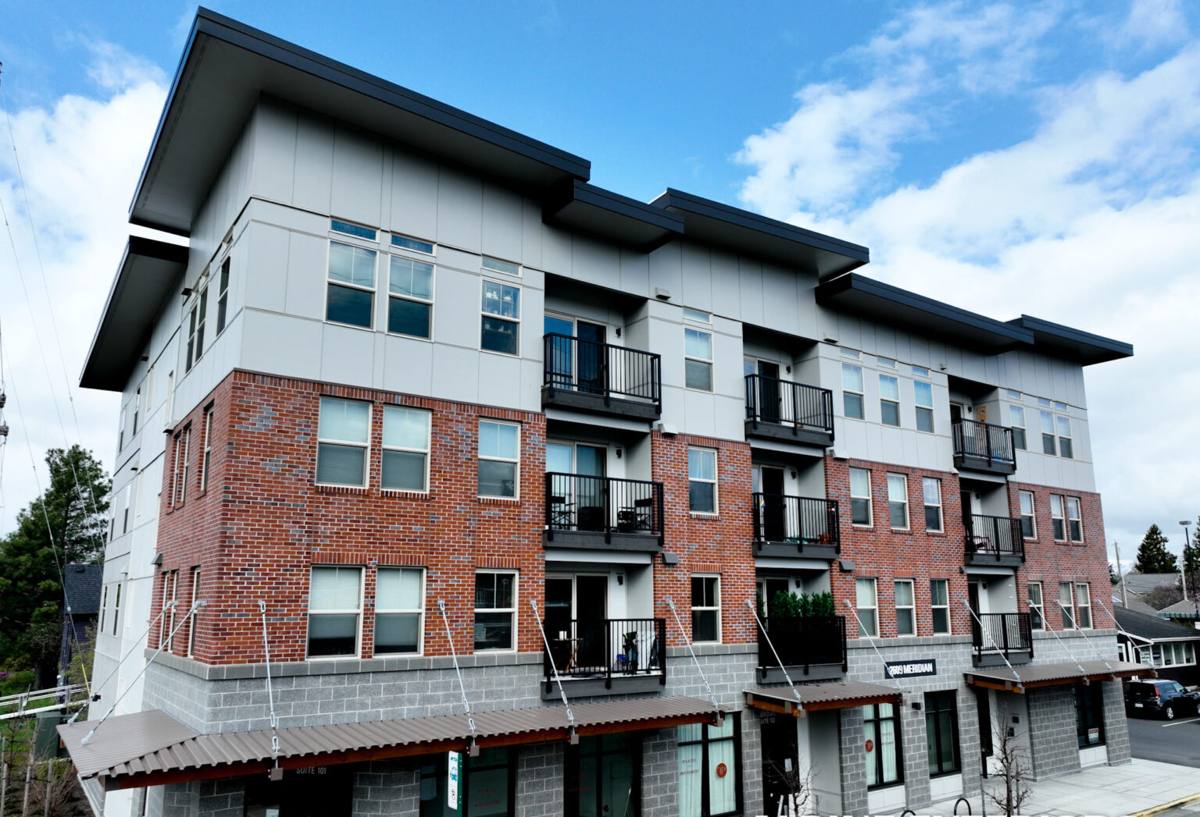
What This Climate Does to Windows Over Time
A few things happen consistently to older windows in and around Kendall:
- Seal failure from constant moisture cycling. Wood and vinyl frames expand and contract through wet-dry cycles all winter and spring, which stresses caulk and weatherstripping faster than in drier climates.
- Fogging between panes. Once the seal on a double-pane unit fails, moisture gets between the glass layers and stays there — that's not cleanable, it means the insulated glass unit needs replacing.
- Moss and algae buildup on sills and tracks. Whatcom County's long wet season keeps organic growth active for most of the year, and it collects fastest in horizontal grooves like window tracks and sills where water sits.
- Wood rot at corners and sills. This is the most expensive problem to catch late. Wood-framed windows without good drainage details are especially vulnerable after years of driving rain hitting the same exposures.
None of this means every window needs replacing every few years — a well-built, properly flashed window can last decades even here. But it does mean the details of the installation matter more in this climate than in a dry one, and it's worth understanding what "energy-efficient" should actually include before you buy.
What "Energy-Efficient" Actually Means
The term gets used loosely, so here's what actually separates a genuinely efficient window from one that just has the label:
Glazing and Coatings
Dual-pane, argon-filled glass with a low-E coating is the standard baseline for this region. The low-E coating reflects heat back into the home in winter and blocks solar heat gain in summer, which matters on west- and south-facing exposures even under our gray skies — glare and heat gain still happen on clear days.
Frame Material
Frame material affects both insulation value and how the window holds up to sustained moisture exposure. There's no single "best" material — it depends on the home, the exposure, and the budget.
Air Sealing and Installation
Even a top-tier window performs poorly if it's not sealed and flashed correctly at installation. This is the piece homeowners often don't think about when comparing window brands — the product only accounts for part of the actual energy performance. The other part is workmanship.
| Frame Material | Insulation Value | Moisture Tolerance | Maintenance |
|---|---|---|---|
| Vinyl | Good | Very good — won't rot | Low |
| Fiberglass | Very good | Excellent, dimensionally stable | Low |
| Wood (clad exterior) | Very good | Good if detailed correctly; vulnerable if not | Higher — exterior cladding protects, but sills and joints need monitoring |
| Aluminum | Lower unless thermally broken | Good structurally, prone to condensation without a thermal break | Low |
Signs Your Kendall Home Might Need New Windows
- Visible fog, haze, or moisture trapped between panes of glass
- Windows that feel cold to the touch even when the heat is running
- Drafts you can feel with a hand near the frame on a windy day
- Wood that's soft, discolored, or spongy at the sill or lower corners
- Moss or dark staining building up in the track or on the sill that keeps coming back
- Windows that are difficult to open, close, or lock — often a sign the frame has shifted
- Noticeably higher heating costs compared to similar homes nearby
- Condensation forming on the inside of the glass regularly through winter
One or two of these on a single window is normal wear. Several of these across multiple windows, especially on the same exposure, usually points to a systemic issue worth addressing as a group rather than one at a time.
What a Correct Installation Involves
The window unit itself is maybe half the job. The rest is what happens at the opening:
- Removing the old unit carefully and inspecting the framing and sheathing behind it for hidden rot or prior water damage before anything new goes in.
- Repairing any compromised framing — installing a new window into a damaged opening just seals the problem inside the wall.
- Flashing the opening properly so water that reaches the wall is directed back out, not into the framing. This is the single most important step for long-term performance in a wet climate.
- Setting the window level, plumb, and square — a slightly out-of-square window stresses the seals and hardware from day one.
- Sealing and insulating the gap between the window frame and the rough opening, without over-packing it in a way that bows the frame.
- Finishing the exterior weather barrier — trim, caulk, and any cladding tie-in — so the whole assembly sheds water as one system.
Skipping or rushing any of these steps is how a brand-new, well-rated window ends up with the same drafts and moisture problems as the one it replaced.
How We Approach a Kendall Window Project
We keep the process straightforward and don't push products a home doesn't need:
1. On-Site Assessment
We walk the exterior and interior of the affected windows, check framing condition where accessible, and talk through what's actually driving the problem — drafts, moisture, appearance, or a combination.
2. Straightforward Recommendations
We'll tell you honestly if a window can be repaired or resealed rather than replaced, and we'll flag any framing damage before quoting the work so there are no surprises once we open the wall up.
3. Installation
Old units come out, framing gets inspected and repaired as needed, and new units go in with full flashing and sealing — not just a caulk bead around the trim.
4. Cleanup and Walkthrough
We clean up the work area and walk through the finished windows with you so you know how to operate and maintain them.
Why Local Experience Matters for This Job
Window installation looks similar everywhere on paper, but the details that make it last differ by region. A crew that mostly works drier climates may not flash an opening as aggressively as a wet Pacific Northwest winter actually requires, because in their home market it simply isn't necessary. Working regularly in Whatcom County means seeing, season after season, exactly where water finds its way into a wall — and building the installation to account for it from the start, not after a callback.
Local experience also means knowing how homes in this area were typically built and what to expect once a wall is opened up, which keeps estimates realistic and avoids mid-project surprises.
What Affects the Cost
| Factor | Why It Matters |
|---|---|
| Number of windows | Doing multiple windows together typically costs less per unit than one-off jobs due to shared setup and labor |
| Frame material chosen | Vinyl is generally the most budget-friendly; fiberglass and clad-wood cost more upfront |
| Condition of existing framing | Rot or water damage found behind old windows adds repair time before the new unit can go in |
| Window size and style | Larger units, custom shapes, or operable styles like casements cost more than standard double-hungs |
| Access and site conditions | Second-story windows or difficult access can add labor time |
Costs for residential window replacement in this region generally range from a few hundred dollars per window for straightforward vinyl replacements up to significantly more for larger or premium units — the only way to get a real number is a site visit, since framing condition is the biggest variable.
Get a Straight Answer About Your Windows
If you're dealing with drafty, foggy, or sticking windows in your Kendall home, we're happy to take a look and give you an honest read on whether you need replacement, repair, or nothing at all right now. Use the form below to request a free, no-pressure estimate — we'll walk the windows with you and explain exactly what we see.