 Ferndale
 Roofing on the Water's Edge
Homes in Lummi Nation sit close to Bellingham Bay, and that proximity to saltwater shapes everything about how a roof ages here. Salt-laden air corrodes exposed metal fasteners and flashing faster than it would a few miles inland. Wind off the water drives rain sideways under poorly sealed edges. And the shade from mature evergreens combined with near-constant moisture gives moss and algae exactly what they need to take hold. A roof that would last two decades in a drier part of the state can show real wear well before that out here if it wasn't built for these conditions in the first place.
Roof replacement in this part of Whatcom County isn't just about swapping old shingles for new ones. It's about choosing materials and installation details that specifically account for salt exposure, sustained wet weather, and a long moss season that can run from fall through spring. That's the lens we bring to every replacement we quote in Lummi Nation.
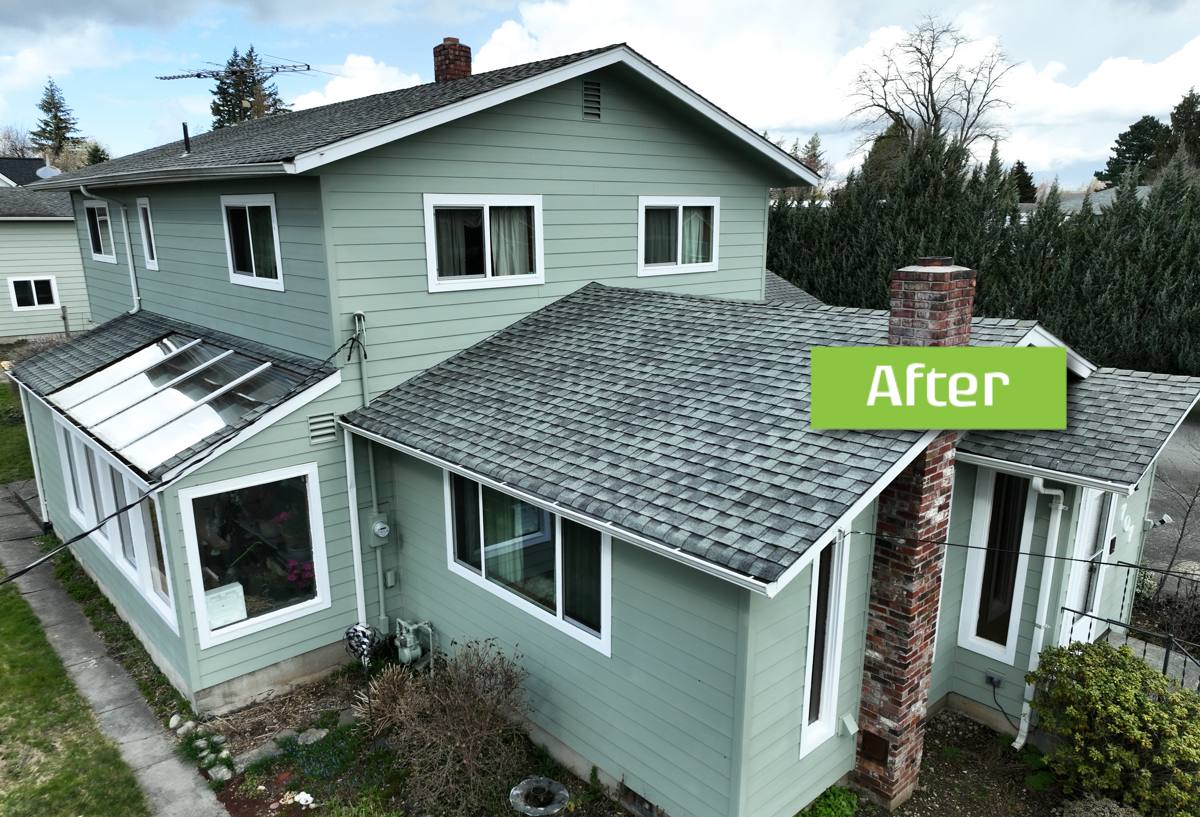
How Local Conditions Wear Down a Roof
Salt Air and Corrosion
Airborne salt accelerates rust on unprotected steel fasteners, cheap flashing, and lower-grade metal accents. Over years, corroded nails can back out or lose their grip, and rusted flashing can develop pinholes that let water track into the roof deck. This is a slower process than storm damage, but it's steady, and it's specific to coastal properties like the ones throughout Lummi Nation.
Driving Rain
Wind off the bay doesn't just drop rain straight down — it pushes it sideways and up under shingle tabs, around chimney flashing, and into any gap in the underlayment. A roof system that relies on gravity alone to shed water isn't enough here. Every penetration, valley, and edge needs to be sealed and lapped correctly for wind-driven rain, not just a light drizzle.
Moss and Algae
Shade, moisture, and mild temperatures are a perfect combination for moss growth. Moss holds water against the roof surface long after the rain has stopped, which keeps shingles wet, promotes granule loss, and can eventually work its way under shingle edges and lift them. Left unaddressed for a few seasons, moss does real structural damage, not just cosmetic staining.
Signs a Roof Needs Replacing, Not Just Repairing
Not every roofing issue calls for a full replacement, but a few signs usually mean patching won't hold for long:
- Shingles that are cupping, curling, or losing granules across large sections of the roof, not just one isolated spot
- Moss growth that returns quickly after cleaning, or has visibly lifted shingle edges
- Soft spots in the roof deck when walked, which usually means water has reached the plywood or OSB underneath
- Daylight visible through the roof deck from inside the attic
- Flashing around chimneys, vents, or skylights that's rusted, cracked, or separating from the surface
- A roof that's approaching or past the manufacturer's expected service life for its material and this climate
- Multiple past repairs in different areas, suggesting the whole system is nearing the end of its useful life
If you're only seeing one or two of these and the roof is otherwise sound, a repair may be the more honest recommendation — we'll tell you that directly rather than push a full replacement you don't need yet.
Choosing a Roofing System for This Climate
There's no single "best" roofing material for every home — it depends on your roof's pitch, how much shade it gets, your budget, and how long you plan to own the home. Here's how the common options compare for coastal, high-moisture conditions like those in Lummi Nation:
| Material | Salt Air Resistance | Moss Resistance | Typical Lifespan Here | Maintenance |
|---|---|---|---|---|
| Architectural asphalt shingles | Good, with corrosion-resistant fasteners and flashing | Fair — benefits from zinc/copper strips | 20-30 years | Periodic moss treatment and gutter cleaning |
| Standing seam metal | Very good with coated steel or aluminum | Very good — sheds moss easily | 40-50+ years | Low; occasional fastener and sealant checks |
| Cedar shake | Fair — needs regular treatment | Poor without diligent upkeep | 20-30 years with maintenance | High; regular cleaning and sealing required |
| Synthetic/composite shingles | Good | Good | 30-40 years | Low to moderate |
We don't install every material on this list on every home. Cedar shake, for example, requires a level of ongoing upkeep that most homeowners underestimate when they choose it — in a shaded, moist environment it needs consistent attention or it becomes a moss and rot liability faster than other options. We'll walk you through the honest tradeoffs for your specific roof rather than steering you toward whatever's easiest to install.
What a Correct Replacement Actually Involves
A roof replacement is more than new shingles laid over old ones. Done correctly, it includes several steps that matter more here than in drier climates:
Full Tear-Off and Deck Inspection
We remove the old roofing down to the deck so we can actually see what's underneath. In a wet climate, this step catches hidden water damage, soft or rotted sheathing, and any framing issues before they get sealed under a new roof and forgotten about for another 20 years.
Underlayment Built for Wind-Driven Rain
We use synthetic or self-adhered underlayment rated for high-moisture climates, with extra attention to laps, valleys, and eave protection where wind-driven rain is most likely to find a way in.
Corrosion-Resistant Flashing and Fasteners
Given the salt air here, we use flashing and fasteners rated for coastal exposure rather than standard-grade materials that corrode faster near the water. This is one of those details that doesn't show up in a photo but determines how the roof performs in year eight, not year one.
Ventilation That Matches the Home
Proper intake and exhaust ventilation keeps moisture from building up in the attic, which reduces the conditions that feed moss and mildew from the inside out. We size ventilation to the specific roof and attic, not a one-size-fits-all formula.
Our Roof Replacement Process
- On-site assessment. We inspect the current roof, deck condition, ventilation, and any moss or moisture issues, and take measurements for an accurate quote.
- Written estimate and material options. You get a clear breakdown of cost, materials, and timeline — no vague allowances or surprise add-ons later.
- Scheduling around the weather. We plan the work for a stretch of manageable weather where possible, since a rushed install in a downpour is how corners get cut.
- Tear-off and deck repair. Old roofing comes off, the deck is inspected, and any damaged sheathing is replaced before anything new goes down.
- Underlayment, flashing, and roofing installation. Installed to manufacturer specifications with coastal-grade materials at every vulnerable point.
- Final walkthrough. We review the finished roof with you, cover warranty details, and answer any maintenance questions before we consider the job done.
What Roof Replacement Costs Depend On
We don't publish a flat price because roof cost genuinely depends on the specifics of your home. The main factors are:
| Factor | Why It Matters |
|---|---|
| Roof size and pitch | Steeper or larger roofs take more material, time, and safety setup |
| Number of layers to remove | Tearing off multiple old layers adds labor and disposal cost |
| Deck condition | Rotted or soft sheathing found during tear-off needs replacing before roofing goes on |
| Material choice | Asphalt, metal, and synthetic options span a wide cost range |
| Roof complexity | Valleys, dormers, skylights, and chimneys each add flashing and labor |
| Access and site conditions | Tree cover, tight driveways, or difficult staging can affect labor time |
Broadly, a straightforward asphalt shingle replacement on an average home runs in the mid four figures to low five figures, with metal or more complex roofs running higher. We'll give you an exact number after seeing the roof in person — not a rough guess over the phone.
Why Local Experience in Lummi Nation Matters
A crew that mostly works drier, inland areas won't automatically know to spec corrosion-resistant fasteners, oversize the moss protection, or plan ventilation around the shade patterns common to homes near the bay. We work throughout Ferndale and the surrounding Whatcom County coastline regularly, which means we've seen how roofs here actually age — not just how they're supposed to perform on paper. That translates into fewer callbacks, fewer surprise repairs five years down the road, and a roof that's genuinely built for the salt air, driving rain, and moss season this area deals with every year.
Get an Honest Look at Your Roof
If your roof is showing wear, growing moss faster than it should, or simply getting old, we're happy to take a look and give you a straightforward assessment — repair or replace, no pressure either way. Fill out the form below for a free estimate on roof replacement for your Lummi Nation home.