 Ferndale
 Why Homes Near Lummi Nation Take a Different Kind of Beating
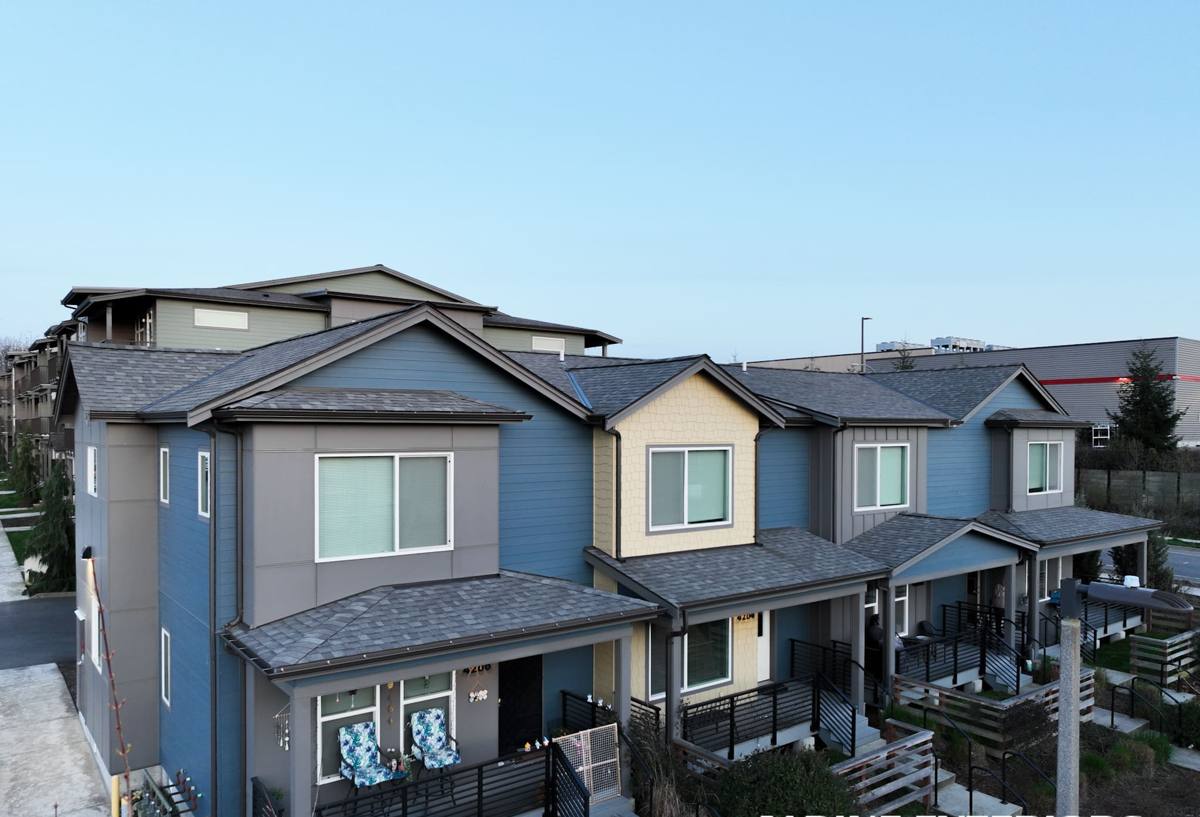
Houses in and around the Lummi Nation area, just west of Ferndale, sit closer to open water than almost anywhere else in Whatcom County. That proximity to Bellingham Bay and the surrounding shoreline means siding here is doing a harder job than siding fifteen minutes inland. Salt-laden air, near-constant wind off the water, and a moss season that can stretch from October well into spring all combine to attack exterior materials in ways that don't show up right away. By the time a homeowner notices a problem, moisture has often been working behind the surface for months.
This page is specifically about siding repair — not full replacement — for homes in this stretch of Whatcom County. Repair work here has to account for salt exposure, wind-driven rain, and organic growth in a way that generic patch-and-paint advice doesn't cover.
What Salt Air, Rain, and Moss Actually Do to Siding
Salt-Driven Corrosion and Surface Breakdown
Airborne salt from the water doesn't just sit on the surface — it works its way into fasteners, trim joints, and any place two materials meet. Over years, salt exposure accelerates corrosion in exposed nails and metal flashing, and it breaks down paint and coatings faster than the same product would wear in a drier, more inland part of the county. Once fasteners start to corrode, they lose their grip, and siding panels or boards can loosen even if the material underneath still looks fine.
Wind-Driven Rain and Water Intrusion
Rain that falls straight down is manageable for almost any siding system. Rain that's being pushed sideways by wind off the water is a different problem. Wind-driven rain gets forced up under laps, into butt joints, and around penetrations like hose bibs, light fixtures, and vents — places that a standard rainscreen wasn't designed to handle at that angle or that pressure. Homes closer to open exposure see this most, and it's usually where repair calls originate.
Moss, Algae, and Trapped Moisture
Western Whatcom County's mild, wet winters are ideal for moss and algae growth, and homes shaded by trees or facing north tend to hold moisture longer between dry spells. Moss itself doesn't eat siding, but it holds water against the surface for extended periods, which keeps the substrate damp far longer than an open, sun-exposed wall would ever stay. That prolonged dampness is what actually causes damage — softening substrates, feeding rot in wood trim, and giving corrosion a head start on fasteners.
Signs Your Siding Needs Repair, Not Just Cleaning
Some of these are obvious from the ground. Others require a closer look, which is part of why an inspection matters before assuming a problem is cosmetic.
- Soft or spongy spots when you press on siding, especially near the bottom courses or under windows
- Visible gaps or separation at butt joints and corners where caulking has failed
- Paint that's bubbling, peeling, or flaking in patches rather than evenly across a wall
- Streaking or dark staining below joints, trim, or fastener heads
- Moss or algae that keeps returning to the same spot within weeks of cleaning
- Panels or boards that flex, rattle, or feel loose when pushed
- Rust bleeding from fastener heads or metal flashing
- Interior signs — a musty smell, discoloration on drywall, or trim that's warping near an exterior wall
What a Correct Repair Actually Involves
Diagnosis Before Anything Gets Touched
The first step isn't pulling boards — it's figuring out how water is getting in and how far it's traveled. A soft spot on the surface is often smaller than the damage behind it. Skipping this step is the most common reason repairs fail: a patch goes over the visible damage, but the moisture source and the wet framing behind it never get addressed, so the problem resurfaces within a year or two.
Matching Materials Correctly
Repairs that don't match the existing siding profile, exposure, and finish stand out visually and can create new water paths at the seams. When we're repairing a home already sided in James Hardie fiber cement, we match panel or plank profile and use compatible ColorPlus finishes wherever possible so the repair blends rather than becoming a patch that's obviously different in texture or sheen.
Fixing the Water Management, Not Just the Cosmetic Damage
A repair that's done right addresses flashing, house wrap, kick-out details at rooflines, and caulking at penetrations — the actual water management system behind the cladding — not just the section of siding that looks bad. If the underlying wall assembly isn't drying properly, new siding over it just delays the next repair call.
Repair vs. Replace: How We Help You Decide
Not every damaged section means the whole wall — or the whole house — needs new siding. The table below covers the general factors that push a decision one way or the other.
| Factor | Favors Repair | Favors Replacement |
|---|---|---|
| Extent of damage | Isolated to one or two areas | Recurring across multiple walls |
| Age of existing siding | Newer material, still under warranty | Near or past expected service life |
| Underlying framing | Dry, sound structure once opened up | Rot or long-term moisture found behind siding |
| Material match | Matching profile/finish still available | Discontinued profile or badly faded finish |
| Root cause | Fixable flashing or caulking failure | Systemic water management failure |
We'll always tell you honestly which category your situation falls into, including when repair is genuinely the right call and full replacement isn't needed.
How Our Process Works for Lummi Nation Repair Calls
- On-site inspection — we look at the visibly damaged area and check adjacent sections, trim, and flashing details for related issues, since salt and wind-driven rain rarely damage just one spot in isolation.
- Diagnosis and a written scope — we explain what we found, what's causing it, and what the repair will involve, in plain terms, before any work starts.
- Opening up the affected area — removing damaged siding and trim to assess the sheathing and framing underneath, not just the surface.
- Correcting the water management — repairing or replacing flashing, house wrap, and sealant details so the same failure doesn't repeat.
- Reinstalling matched siding — using compatible James Hardie material and fasteners rated for coastal, high-moisture exposure.
- Final check — confirming laps, joints, and fastener patterns meet manufacturer installation specs, since improper installation is what voids most siding warranties.
Why We Only Repair With James Hardie Fiber Cement
When a repair calls for new material rather than a full match-and-restore of existing sections, we use James Hardie fiber cement — the same product line we install on every project. We don't stock or install vinyl, LP SmartSide, primed spruce, or cedar patches, even for small repair jobs, because those materials behave differently in salt air and prolonged moisture exposure than the fiber cement already on most of the homes we work on.
Fiber cement doesn't absorb water the way wood-based products can, and it's non-combustible, which matters in a region where wildfire smoke and dry-season fire risk are part of the yearly conversation even on the wet side of the state. Hardie's HZ5 product line is engineered specifically for climates with heavier moisture exposure, and the factory-applied ColorPlus finish holds color and resists the fading that repeated salt and moisture cycling causes in field-painted materials. Repairing with a mismatched material might save a little money up front, but it creates a maintenance and appearance problem down the road — and in some cases, it can affect what's left of an existing warranty on the surrounding siding.
What to Expect From Your Free Estimate
- An honest read on whether you're looking at a repair or a replacement
- A clear explanation of what's causing the damage, not just what it looks like
- A written scope before any work begins — no surprise add-ons mid-project
- Material and fastener choices suited to this area's salt and moisture exposure
Why Hiring a Crew That Already Works Lummi Nation Matters
Siding repair in a coastal-exposure area isn't the same trade as siding repair fifteen miles inland. A contractor who mostly works drier, more sheltered parts of Whatcom County can still do competent general carpentry, but they may not immediately recognize how far salt and wind-driven rain travel behind a wall, or how long moss has to sit before it starts causing real damage underneath. Crews who regularly work this stretch of coastline near Ferndale know which details — kick-out flashing, corner joints, fastener spacing — tend to fail first out here, and they check those spots even when they weren't the reason for the original service call.
That local pattern recognition is often the difference between a repair that holds for years and one that needs a follow-up visit within a season.
If you're seeing soft spots, staining, loose panels, or moss that won't stay gone, we're happy to take a look and give you a straight answer on what's going on — no pressure, no obligation. Reach out below for a free estimate.