 Ferndale
 Window Installation in Nooksack: Built for the Weather We Actually Get
Nooksack sits inland from the salt water but that doesn't spare it from the weather patterns that define window performance across Whatcom County. Driving rain off the Strait, damp air that never fully clears in the winter months, and a moss season that stretches longer here than in drier parts of the state all put real stress on window units — not just the glass, but the frames, the flashing, and the seal between the window and the wall. Installing a window correctly in this climate is a different job than installing the same window in Spokane or Sacramento. The unit has to be right, and the installation around it has to be right, or you're replacing trim and dealing with soft framing again in a few years.
This page covers what window installation looks like specifically for homes in and around Nooksack — what the climate does to windows over time, what a correct installation actually involves, and what to expect when you hire a crew that already knows this area.
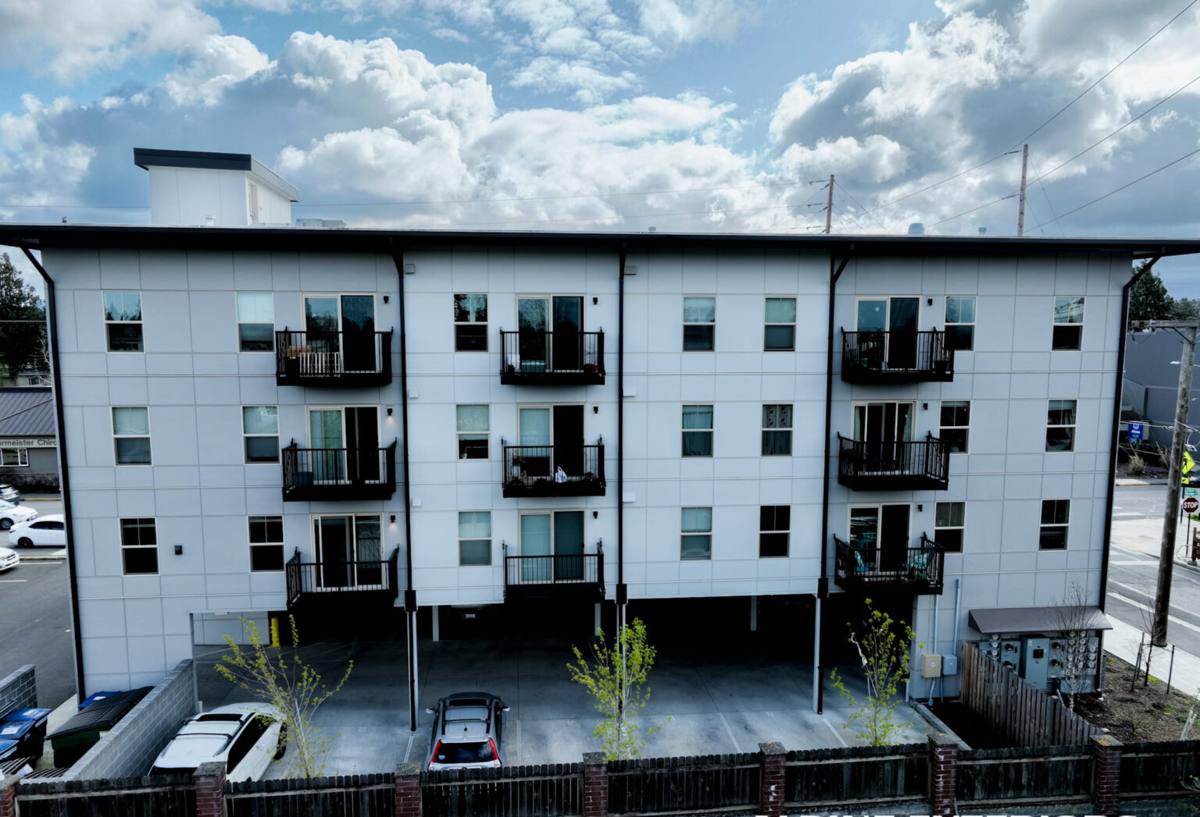
What Whatcom County Weather Does to Windows Over Time
Window failure in this region rarely starts with the glass. It starts at the edges — the flashing, the sill, and the caulk lines where water is supposed to be directed away from the wall assembly instead of into it.
Driving rain and wind-driven moisture
Storms coming off the water don't just fall straight down — wind pushes rain sideways into window openings, which means the flashing and sealant details around a window matter as much as the window unit itself. A window installed without proper flashing integration can look fine for a year or two and then start showing water staining or soft drywall around the frame.
Salt air and hardware corrosion
Even set back from the immediate shoreline, homes throughout Whatcom County pick up salt-laden air, especially during winter storm patterns. Over years, that air corrodes lesser-grade hardware — hinges, locks, and cranks on operable windows — well before the glass or frame shows any wear. It's a slow problem, which is exactly why it gets overlooked until a window won't latch properly anymore.
Moss and prolonged dampness
Our moss season runs long. On window sills, upper trim, and anywhere water sits without good drainage, that dampness supports moss and algae growth that holds moisture against wood trim and painted surfaces. Left alone, that's a slow path to rot at the sill — one of the most common repair calls we get on older window installations.
Signs a Nooksack Home Needs New Windows
- Visible fogging or moisture between panes on double- or triple-glazed units — the seal has failed
- Soft or discolored trim and drywall directly below or beside a window
- Windows that are hard to open, close, or lock, especially after several damp winters
- Noticeable draft or cold spot near the window frame during windy weather
- Visible daylight or gaps around the frame when the window is closed
- Moss or dark staining building up on the sill or exterior trim year after year
- Higher heating bills without any other clear cause
Any one of these on its own might just need a repair. Several at once, or a home with the original windows from a build several decades back, usually points toward replacement being the more sensible long-term move.
What a Correct Window Installation Actually Involves
The window itself is maybe half the job. The other half — the part that determines whether it still performs well in ten years — is everything that happens around the opening.
Inspecting the opening before anything goes in
Before a new window goes in, the rough opening needs to be checked for hidden rot, soft framing, or old flashing that's already failed. Installing a brand-new window into a compromised opening just hides the problem behind new trim — it doesn't fix it.
Flashing and water management
This is the step that matters most in our climate and gets skipped most often by rushed installs. Proper flashing directs any water that gets past the exterior cladding down and out, away from the sheathing and framing, using a shingled, overlapping sequence — not just a bead of caulk around the perimeter.
Air sealing and insulation
The gap between the window frame and the rough opening needs to be sealed and insulated correctly — not overpacked with expanding foam, which can bow the frame, and not left with gaps that let cold air and moisture in.
Level, plumb, and square
A window that isn't set level, plumb, and square will bind, won't seal well against weatherstripping, and puts uneven stress on the sash hardware — leading to exactly the kind of premature hardware wear that salt air already accelerates.
Interior and exterior finish work
The final trim, caulk lines, and paint or stain aren't cosmetic afterthoughts — they're part of the weather barrier. Done right, they shed water and hold up to UV exposure without cracking and opening a path for moisture within a year or two.
Window Types and Materials: What Holds Up in This Climate
| Material | Moisture Performance | Maintenance | Notes for This Area |
|---|---|---|---|
| Vinyl | Good — won't rot, resists corrosion | Low | Solid, cost-effective choice for most Nooksack homes; quality varies by manufacturer |
| Fiberglass | Excellent — very stable in wet/dry cycling | Low | Higher upfront cost, strong long-term performer in damp climates |
| Wood (unclad) | Requires diligent upkeep | High | Handsome but demands regular repainting/sealing to resist our moss and rain cycle |
| Wood-clad (vinyl or aluminum exterior) | Good — exterior shell protects the wood | Moderate | Popular middle ground: wood interior look with a weather-resistant exterior face |
| Aluminum | Prone to condensation without thermal breaks | Moderate | We generally steer clients toward thermally broken options given our humidity and temperature swings |
We don't push one brand or material on every home. The right call depends on your home's age, existing trim style, budget, and how exposed the walls are to prevailing weather. What we do insist on, regardless of material, is a glazing package rated for Pacific Northwest conditions and hardware that won't corrode prematurely in salt-influenced air.
Our Installation Process
- On-site assessment — we look at each opening, check for existing damage, and take precise measurements rather than relying on rough estimates.
- Product selection — we walk through material, glazing, and style options suited to your home and budget, with honest trade-offs explained up front.
- Removal and opening inspection — old windows come out carefully, and we inspect the framing and sheathing before anything new goes in.
- Repair as needed — any soft framing or failed flashing found at this stage gets addressed before installation, not covered up.
- Installation — new units are set level, plumb, and square, with flashing and air sealing done to shed water correctly.
- Finish work — interior and exterior trim, caulking, and paint or stain are completed to match your home.
- Walkthrough — we confirm every window operates smoothly and answer questions about care and warranty coverage.
What Affects the Cost of Window Installation
| Factor | Why It Matters |
|---|---|
| Number of windows | Full-home replacement typically brings a better per-window rate than one-off jobs |
| Material and glazing package | Vinyl, fiberglass, and wood-clad options carry different material costs and long-term value |
| Window size and style | Large picture windows, bays, or custom shapes cost more than standard double-hung sizes |
| Condition of the existing opening | Hidden rot or old flashing failures add repair time before the new window can go in |
| Access and site conditions | Second-story or hard-to-reach windows take more labor and equipment |
| Trim and finish scope | Matching existing trim profiles or upgrading trim adds to the finish-work portion of the job |
We won't quote a job without seeing the actual openings — anyone giving a firm number over the phone for a full window replacement is guessing. What we can tell you honestly is that the biggest cost swings usually come from hidden framing repairs, not the windows themselves, which is exactly why the inspection step matters.
What to Check Before Hiring a Window Contractor in Nooksack
- Do they carry current Washington contractor licensing and liability insurance?
- Will they inspect the rough opening before quoting, rather than just measuring the glass?
- Do they explain their flashing and water-management approach, not just the window brand?
- Are warranty terms — on both the product and the labor — spelled out in writing?
- Do they have experience installing in this specific climate, not just generic experience?
- Will they give you a written, itemized estimate before work begins?
Why Local Experience Matters for This Job
Window installation is one of those trades where the technique that works in a dry climate simply doesn't hold up here. A crew that's used to installing windows in Whatcom County knows to slow down on the flashing details, knows which hardware finishes hold up against salt-influenced air, and knows what a moss-prone sill needs to shed water long-term. That's the kind of judgment that comes from working homes in Ferndale, Nooksack, and the surrounding area repeatedly — not from a general contractor's checklist.
It also matters for accountability. A local crew is easy to reach if a question comes up two years down the road, and has a reputation in the community worth standing behind.
If you're weighing window replacement or repair for a home in Nooksack, we're happy to take a look and give you a straightforward, no-pressure estimate — just fill out the form below.