 Ferndale
 Windows Built for Point Roberts' Odd Little Climate
Point Roberts sits in a strange spot — a slice of American soil hanging off the bottom of the Tsawwassen peninsula, surrounded on three sides by the Salish Sea and cut off from the rest of Whatcom County by water and an international border. That geography means homes here take a different kind of weather beating than houses ten miles inland. Salt-laden air moves off the water constantly, driving rain comes in sideways during winter storms, and the damp, shaded conditions common along the peninsula keep moss and algae growing on north-facing surfaces for a good chunk of the year. Windows are one of the first things to show the wear.
We're a Ferndale-based siding and exteriors crew that works throughout Whatcom County, including the drive out to Point Roberts. We're not going to pretend this is a huge, exotic project — window replacement is window replacement, mechanically. But the material choices, sealing details, and maintenance expectations really do change when a house sits this close to salt water. This page covers what we've learned doing that work locally, without the sales pitch.
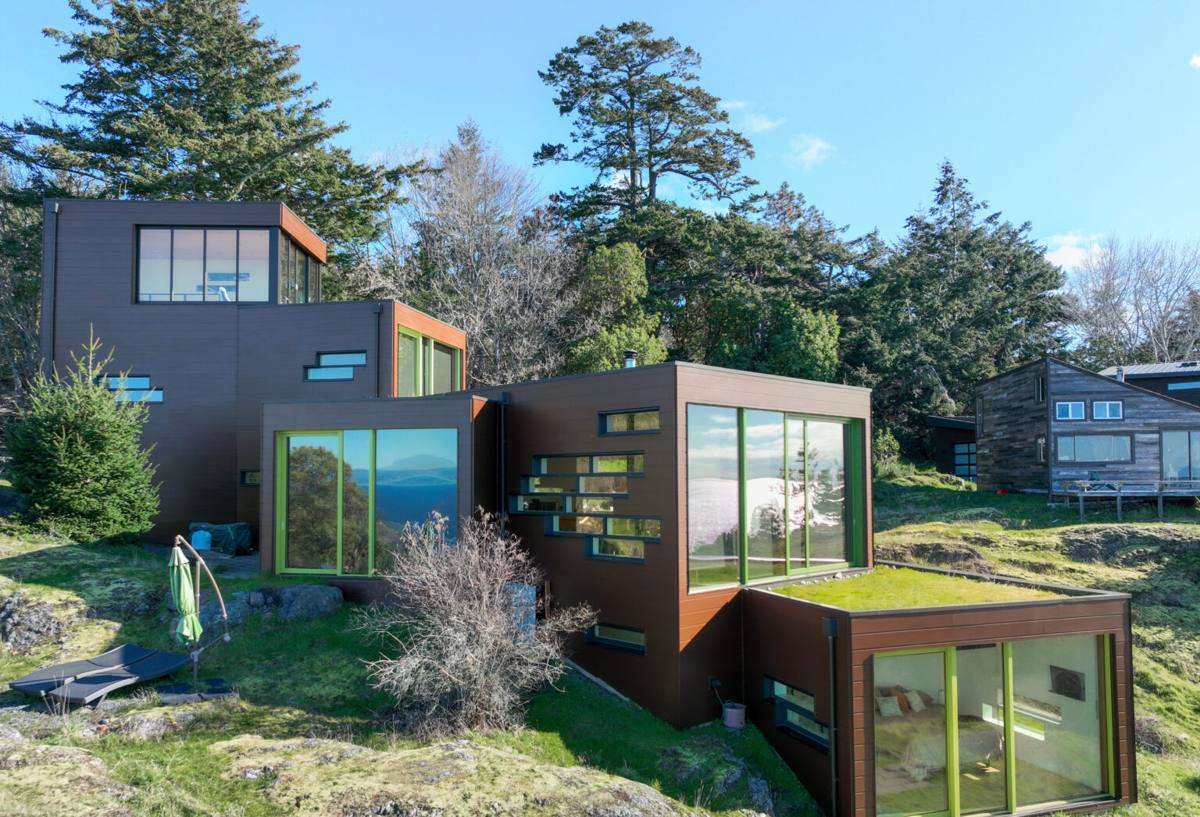
What Salt Air and Rain Actually Do to Windows
It helps to understand the specific failure patterns before talking about fixes. Three things drive most of the window problems we see in coastal Whatcom County communities like Point Roberts:
- Salt-laden moisture accelerates corrosion on exposed metal hardware, fasteners, and lower-grade aluminum components. It also breaks down certain sealants and finishes faster than they'd wear inland.
- Wind-driven rain hits window assemblies at an angle, which means water is pushed up and under trim, into gaps, and against seals that were only designed to shed water falling straight down. Flashing detail matters more here than in a sheltered inland lot.
- Persistent shade and moss growth on north- and west-facing walls keeps wood trim and sills damp for longer stretches, which is exactly the condition wood rot and mildew need to take hold.
None of this means windows fail fast at Point Roberts. It means the margin for sloppy installation or the wrong materials is smaller. A window that would coast along fine for 25 years in a drier part of the county can start showing seal failure, fogging, or frame rot noticeably sooner out here if it wasn't installed with this specific exposure in mind.
Signs Your Windows Are Losing the Battle
- Fogging or moisture trapped between double-pane glass — the seal has failed and the gas fill is gone
- Soft, spongy, or visibly rotted wood at the sill or lower frame corners
- Hardware (cranks, locks, hinges) that's corroded, sticky, or won't latch tight anymore
- Visible daylight or a draft you can feel with a hand near the frame on a windy day
- Chalky white residue or pitting on aluminum frames — a sign of long-term salt exposure
- Condensation forming on interior glass or sills even when the house isn't obviously humid
- Moss or dark streaking building up on the sill and lower sash that won't scrub off easily
If you're seeing two or three of these at once, it's usually worth having someone look at the whole window rather than patching one symptom.
Material Choices That Actually Matter Here
We get asked a lot whether one frame material is simply "the best" for a place like Point Roberts. It's less about a single best answer and more about trade-offs given the exposure.
| Frame Material | How It Handles Salt Air & Rain | Maintenance Reality |
|---|---|---|
| Vinyl | Doesn't corrode or rust; handles moisture well when properly sealed | Low — occasional cleaning, no painting or sealing needed |
| Fiberglass | Very stable in temperature and moisture swings; holds paint and seals well over time | Low to moderate — durable but a higher upfront cost |
| Wood (clad or unclad) | Handsome, but bare wood exposed to driving rain and shade is the most vulnerable option here | High — needs regular inspection and refinishing on exposed sides |
| Bare Aluminum | Prone to pitting and corrosion in salt air over the long run unless well-finished | Moderate to high — watch for hardware corrosion especially |
Our default recommendation for a house directly exposed to the water at Point Roberts is vinyl or fiberglass for anything on the weather side of the home, simply because they shrug off the salt and moisture cycle without asking for upkeep. That's a professional judgment call based on maintenance burden and long-term moisture behavior — not a knock on wood or aluminum, which both still have their place, especially on more sheltered elevations or where the look matters more than exposure risk.
Glass Packages Worth Actually Thinking About
Frame material gets most of the attention, but the glass package matters just as much for comfort and condensation control in a marine climate like this one.
- Double-pane, low-E glass is the baseline we'd recommend for any Point Roberts replacement — it cuts heat loss and helps limit interior condensation during cold, damp stretches.
- Argon or krypton gas fill between panes adds a meaningful bump in insulating performance for a relatively small cost difference.
- Warm-edge spacers (rather than older aluminum spacer bars) reduce cold spots at the glass edge, which is where condensation tends to start first.
- Triple-pane is worth considering on north-facing rooms or anywhere you've noticed persistent condensation, though it adds cost and weight that isn't necessary on every elevation.
We'll walk through which combination makes sense room by room rather than quoting one blanket spec for the whole house — a south-facing living room window and a shaded north bedroom window don't need identical performance.
What a Correct Installation Looks Like Out Here
The window unit itself is only part of the job. Installation detail is where most of the long-term failures we see actually start, especially with wind-driven rain in the mix.
The Details We Don't Skip
- Removing the old unit fully and inspecting the rough opening for hidden rot before anything new goes in — a new window over a soft frame just hides the problem
- Correct flashing sequence (sill pan, side flashing, head flashing) so water is directed out and down, not trapped behind the new unit
- Sealing that accounts for wind-driven rain hitting at an angle, not just vertical runoff — this is the detail that separates a coastal install from a standard one
- Proper shimming and squaring so the sash operates smoothly and the seal isn't stressed unevenly over time
- Interior and exterior trim work that sheds water away from the frame rather than channeling it toward the sill
- Compatible, corrosion-resistant fasteners and hardware rated for coastal or marine-adjacent exposure
This is also why we're cautious about "windows only" quick-swap jobs when there's already visible rot or staining around a frame. Putting a new window into a compromised opening just delays the same failure by a few years.
How Our Process Works for a Point Roberts Job
- On-site assessment. We look at each window individually — exposure, current condition, framing underneath — rather than quoting off a photo or a phone description.
- Straightforward proposal. You get a written scope covering frame material, glass package, and what's included in labor, so there's no guessing later about what was quoted.
- Scheduling around the crossing. Point Roberts' border-crossing access means we plan materials and crew time to make the most of each trip out — fewer half-days, less back-and-forth.
- Removal and inspection. Old units come out, and we check the rough opening before installing anything new. If we find rot, we'll tell you before proceeding, not after.
- Installation with coastal detailing. Flashing, sealing, and hardware choices reflect the exposure this specific home actually gets, not a generic checklist.
- Final walkthrough. We test operation, check seals, and go over basic maintenance specific to a salt-air, high-moss environment before we consider the job done.
Why Hiring a Crew That Already Works Point Roberts Matters
Point Roberts is logistically its own animal. It's part of Whatcom County, Washington, but the only road access runs through Canada, which means every trip involves a border crossing for crew and materials. Contractors who don't already work the area regularly tend to either avoid it, pad the quote heavily to cover the hassle, or treat it as a one-off trip without accounting for the exposure differences discussed above.
Working the peninsula regularly means we're not learning the crossing logistics on your job, and we're not guessing at how salt air and driving rain behave on a specific elevation of a specific house — we've seen the pattern enough times locally to plan for it up front. That translates to fewer surprises, a more realistic schedule, and a quote that isn't inflated by unfamiliarity.
Questions Worth Asking Any Contractor Before You Hire
- Do you regularly work at Point Roberts, or would this be your first job out here?
- How do you handle the border crossing for crew and material logistics?
- What's your standard flashing and sealing detail for wind-driven rain exposure?
- What happens if you find rot in the rough opening once the old window is out?
- What warranty coverage applies to both the window unit and your installation labor?
A contractor who's genuinely familiar with the area should have straightforward, specific answers to all five — not vague reassurance.
Maintaining New Windows in a Moss-Prone, Salty Environment
Even a well-installed window benefits from a little seasonal attention out here. None of this is complicated, but it does matter more than it would on a sheltered inland property.
- Rinse frames and sills periodically to clear salt residue, especially on elevations facing open water
- Clear moss and organic buildup from sills and tracks before it holds moisture against the frame long-term
- Check weep holes (the small drainage openings at the base of the frame) to make sure they're clear and draining properly
- Inspect exterior caulking annually and touch up any cracked or separated sealant before winter rains set in
- Lubricate hardware occasionally if you notice stiffness, particularly on anything with exposed metal components
Fifteen minutes a couple of times a year keeps small issues from turning into frame or sill repairs down the line.
Getting a Straight Answer on Cost
Every Point Roberts window job is different depending on how many openings need replacing, current condition, and material choice, so we're not going to throw out a number that doesn't mean anything for your house. What we can tell you is what actually moves the price:
| Factor | Why It Affects Cost |
|---|---|
| Frame material (vinyl vs. fiberglass vs. wood) | Material cost and installation complexity vary significantly |
| Glass package | Low-E coatings, gas fills, and triple-pane options each add incremental cost for performance |
| Existing rot or framing damage | Repairing a compromised rough opening adds labor beyond a straight swap |
| Number of openings and access | Upper-story or hard-to-access windows take more time per unit |
| Trim and finish work | Matching existing exterior trim or upgrading it adds to the scope |
We'll break all of this down clearly in a written proposal so you know exactly what you're paying for and why, before any work starts.
If your Point Roberts home has windows showing their age — fogged glass, sticky hardware, drafts, or moss-stained sills — we're happy to come take a look. Reach out for a free, no-pressure estimate using the form below, and we'll give you an honest read on what your windows actually need.