 Ferndale
 Why Bellingham Windows Wear Out Differently
Bellingham sits close enough to the water and the foothills that its windows deal with a mix most homeowners don't expect until they're dealing with it firsthand: salt-laden marine air, long stretches of driving rain off the Salish Sea, and a moss season that can stretch from fall through spring. None of that is dramatic on its own, but stacked year after year, it's exactly the kind of slow, steady exposure that finds every weak point in a window's frame, seal, and flashing.
We work throughout Whatcom County out of Ferndale, and Bellingham is one of the areas we're in regularly. That matters for window replacement more than people assume, because a lot of window failures here aren't really about the glass — they're about how the window was installed and how well it was matched to this specific climate in the first place.
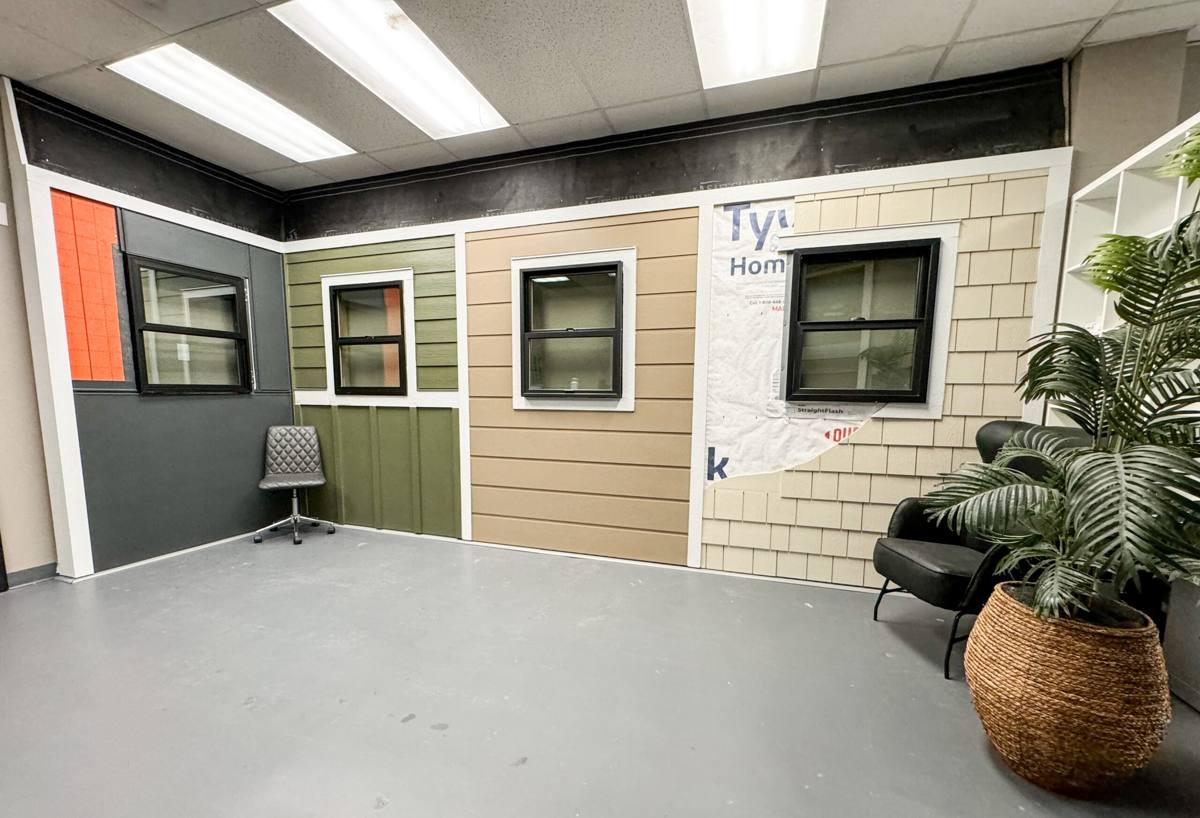
Signs a Bellingham Home Needs Window Replacement
Windows rarely fail all at once. They give warning signs for months or years before a homeowner decides to act. In this region, the signs tend to show up as moisture problems before they show up as anything else.
- Condensation building up between the panes of a double-pane window — a sign the seal has failed and the insulating gas has escaped
- Soft or discolored wood trim around the window frame, especially on walls that face prevailing rain
- Visible moss or dark streaking on the sill or the siding just below the window
- Drafts you can feel with a hand near the frame on a windy day
- Windows that are hard to open, close, or lock — often a sign the frame has swelled or warped from moisture
- A noticeable jump in heating costs without any other explanation
- Rot or soft spots discovered when trim or siding is removed for other repairs
Any one of these can be a minor fix. Several at once, especially on the same wall, usually means the window itself has reached the end of its useful life.
What a Correct Window Replacement Job Actually Involves
Swapping in a new window is the easy part. The part that determines whether that window lasts fifteen years or thirty in a climate like this is everything around it — the flashing, the sealant, and how the opening is prepared before the new unit ever goes in.
Inspecting and Repairing the Opening
Before a new window goes in, the rough opening needs to be checked for hidden water damage. In a place with as much sustained rain as Bellingham gets, it's common to find soft sheathing or old, failed flashing tape once trim is pulled back. Installing a new window over damaged framing just locks the problem behind new material — it has to be addressed first.
Flashing and Water Management
Proper flashing is layered so that any water that gets behind the exterior finish is directed back out, never trapped against wood framing. This is the single most important technical detail in a window installation, and it's the one most likely to be rushed on a lower-cost job. Given how much wind-driven rain this area sees, we treat flashing detail as non-negotiable.
Sealing and Insulating
The gap between the new window frame and the rough opening needs to be insulated and sealed correctly — not overpacked with expanding foam, which can bow a frame out of square, and not left with gaps that create drafts and cold spots. Getting this right also affects how well the window resists condensation on the interior side during cold, damp stretches of winter.
Choosing the Right Window for This Climate
Frame material matters more here than in drier inland climates, because the frame is exposed to salt-tinged moisture in the air, not just direct rain. Here's how the common options generally compare for a coastal Whatcom County home.
| Frame Material | Moisture & Salt Air Resistance | Maintenance | Typical Lifespan |
|---|---|---|---|
| Vinyl | Very good — won't corrode or rot | Low — occasional cleaning | 20-30 years |
| Fiberglass | Excellent — dimensionally stable in temperature swings | Low | 30-40 years |
| Wood (unclad) | Fair — needs protection from moisture intrusion | High — repainting/sealing on a cycle | Varies widely with upkeep |
| Wood-clad (vinyl or aluminum exterior) | Good — exterior shell protects the wood core | Moderate | 25-35 years |
| Aluminum | Poor in salt air without upgraded finishes — prone to corrosion and heat loss | Moderate | Varies; corrosion often shortens it here |
We don't push any single brand or material on every job. What we do insist on, as a matter of professional standard, is a frame material that's actually suited to salt-air exposure and heavy seasonal rain — and installation that's flashed and sealed to match. A premium window installed with sloppy flashing will fail before a modest window installed correctly.
Full-Frame Replacement vs. Insert Replacement
Not every window needs to come out down to the studs. Depending on the condition of the existing frame, there are two general approaches, and the right one depends on what we find once we get a close look.
| Approach | Best For | What It Involves |
|---|---|---|
| Insert (pocket) replacement | Existing frame is still sound, dry, and square | New window unit fits inside the existing frame; less disruption to interior and exterior trim |
| Full-frame replacement | Frame has rot, water damage, or is out of square | Old frame is removed entirely down to the rough opening, allowing full inspection and repair of framing and flashing |
In a climate that pushes moisture into wall assemblies the way this one does, we won't recommend an insert replacement over damage we can see or suspect — it's a shortcut that traps the underlying problem. If a home has had chronic moss and moisture exposure on one side, that's often the side most likely to need a full-frame approach.
Our Process for Bellingham Window Replacement Projects
- On-site assessment. We look at each window individually, not just from the street — condition of the frame, sill, and surrounding siding or trim.
- Honest recommendation. We'll tell you plainly which windows need replacing now, which can wait, and why — including if we think a repair is more sensible than a full replacement.
- Material selection. We walk through frame material and glass options suited to this climate and your budget, without steering you toward the most expensive option by default.
- Preparation and removal. Old units come out carefully, with the opening inspected for hidden moisture or rot before anything new goes in.
- Installation. New windows are set, shimmed level and square, insulated, and flashed with a water management approach built for wind-driven rain.
- Finish work. Interior and exterior trim is completed to match the surrounding siding and finishes as closely as possible.
- Final walkthrough. We check operation, seals, and finish work with you before considering the job done.
Why It Matters to Hire a Crew That Works Bellingham Regularly
A window that's rated for a mild inland climate isn't automatically rated for what a home closer to the water deals with over a few decades. Contractors who mostly work in drier or more sheltered areas can default to specs and installation habits that don't hold up as well against sustained coastal moisture and salt air. Working Whatcom County homes regularly means we're used to sizing up how exposed a given wall or window is — full sun and wind, sheltered by trees, facing the prevailing weather — and adjusting the approach accordingly, rather than treating every window the same.
It also means we're familiar with the kind of moss and moisture patterns that show up on homes in this area, which helps in diagnosing whether an issue is isolated to the window or points to a broader siding or drainage problem worth addressing at the same time.
Maintaining New Windows in a Wet, Salty Climate
New windows still need some basic upkeep to get their full lifespan out of this climate:
- Rinse frames and glass periodically to clear salt residue and grime, especially on sides exposed to prevailing wind
- Keep gutters and downspouts clear so overflow doesn't run down onto window heads and sills
- Check exterior caulking and sealant yearly for cracking or gaps, particularly after winter storms
- Clear moss or debris that accumulates on sills or nearby trim before it holds moisture against the frame
- Operate locks and hardware periodically, even on windows you rarely open, to keep seals and mechanisms working properly
Get a Straight Answer on Your Windows
If you're noticing drafts, fogged glass, sticking sashes, or moisture damage around your windows, it's worth having someone take an honest look before those issues spread into the surrounding wall. We offer free, no-pressure estimates for Bellingham homeowners — use the form below to schedule a time for us to take a look.