 Ferndale
 Custom Decks Built for Blaine's Marine Climate
Blaine sits at the northern edge of Whatcom County, right along the water, which means homes here deal with a more concentrated version of the weather the rest of the county sees. Salt-laden air moves in off the bay, rain tends to come in sideways instead of straight down, and the wet season runs long enough that moss and algae get a real foothold on anything that stays damp. A deck is one of the more exposed structures on a property — it takes sun, rain, and salt air directly, with no roof overhead and no siding system to shed water the way the rest of the house does. Building one that holds up in Blaine takes a different level of attention than building the same deck somewhere inland and dry.
We build custom decks for homeowners in and around Blaine regularly, and our approach is built around what this specific stretch of coastline does to lumber, fasteners, and finishes over time — not a generic build plan borrowed from a drier climate.
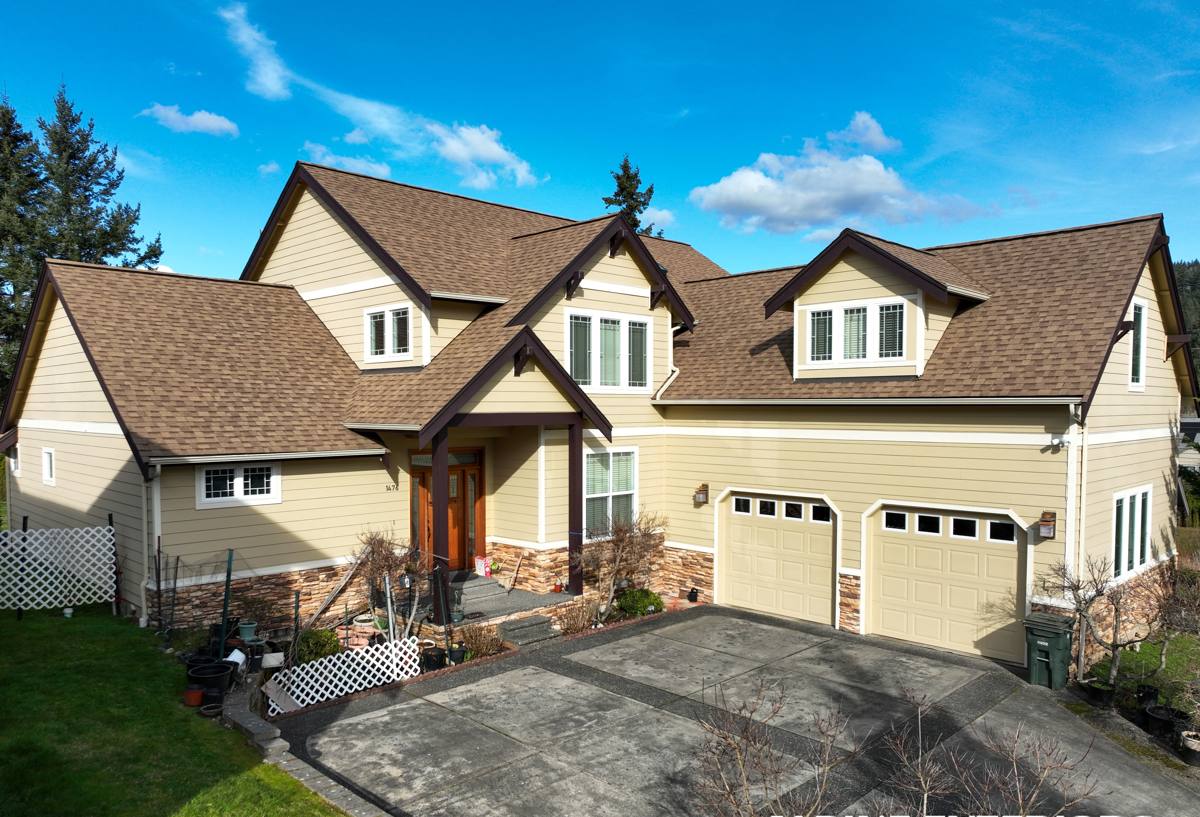
What Blaine's Climate Actually Does to a Deck
Salt Air and Corrosion
The closer a property sits to open water, the more salt-laden moisture settles on everything outside, including deck hardware. Salt air accelerates corrosion in fasteners, joist hangers, and any metal connector that isn't rated for it. A deck built with standard hardware in a marine environment like Blaine's can show rust streaks and weakened connections years before the same deck would in a drier inland location. It's one of the most common shortcuts we see on decks that were built without local exposure in mind — the wood might look fine while the fasteners holding it together are already failing underneath.
Driving Rain and Standing Water
Wind off the water pushes rain sideways more often than it falls straight down, which matters for a deck because it means water gets driven into every gap, seam, and joint rather than just running off a flat surface. Decking boards installed too tight together, or without enough of a gap for drainage and airflow, trap that water instead of shedding it. Over time, trapped moisture is what leads to rot in the boards themselves and in the joists and framing underneath, long before the surface shows obvious damage.
A Long Moss and Algae Season
Whatcom County's wet season runs long, and a deck that stays shaded or doesn't get much direct sun can grow moss and algae for most of the year. Beyond the surface being unsightly and slick underfoot, sustained moss growth holds moisture against the decking material, which is exactly the condition that shortens the life of wood decking and can work its way into fastener holes and board edges over time.
UV Exposure and Temperature Cycling
Blaine doesn't get the kind of brutal summer heat some inland regions do, but decks here still take real UV exposure during the drier months, and they cycle between wet and dry, warm and cold, throughout the year. That cycling is what causes untreated or poorly finished wood to check, cup, and gray unevenly, and it's part of why material choice and finish matter as much as the framing underneath.
Choosing the Right Decking Material for a Blaine Property
There's no single right answer for every deck, but the marine exposure here narrows the field more than it would inland. We walk homeowners through the real trade-offs rather than steering everyone toward whichever product is easiest to install.
| Material | Performance in Blaine's Climate | Maintenance |
|---|---|---|
| Composite decking | Resists moisture absorption and doesn't rot; holds up well against salt air and sustained dampness | Occasional cleaning; no staining or sealing required |
| Cedar | Naturally rot-resistant and a strong look, but still an organic material that will gray and can develop moss if not maintained | Needs regular sealing or staining to keep performing well in this climate |
| Pressure-treated lumber | Affordable and structurally sound for framing, but the treatment doesn't fully offset this level of moisture and salt exposure on a surface board | Requires regular sealing; more prone to checking and splintering over time |
For most Blaine homeowners, we lean toward composite decking for the surface boards specifically because it holds up to salt air and moisture without the ongoing upkeep cedar or pressure-treated boards demand. That said, some homeowners want the look and feel of real wood and are willing to keep up with maintenance, and that's a legitimate choice too — we'll build it correctly either way and be honest about what each material asks of you afterward.
What Correct Deck Construction Actually Involves
The decking material is only part of what determines how long a deck lasts here. Most of the failures we see on older decks trace back to construction details that don't hold up under sustained marine exposure, not to the decking boards themselves.
Footings and Foundation
Deck footings need to be sized and set to the correct depth for the soil and frost conditions on the property, and set deep enough to stay stable under the structure's full load. Undersized or shallow footings are one of the more common causes of a deck that develops a noticeable sag or bounce a few years after it's built.
Ledger Board Attachment and Flashing
Where a deck attaches to the house is the single most important detail on the entire structure. A ledger board that isn't properly flashed lets water track behind it and into the wall assembly of the house itself, which can cause rot that has nothing to do with the deck and everything to do with how it was attached. This is the detail we see cut most often on decks that were built quickly, and it's usually the most expensive mistake to fix later because it means opening up the wall.
Joist Spacing and Framing
Joist spacing needs to match the decking material and the expected load, including furniture, hot tubs, or anything else the deck will actually carry. Composite decking in particular has manufacturer-specified spacing requirements that, if ignored, can cause the boards to flex or deflect more than they should.
Fasteners and Hardware
Given the salt air here, we use fasteners and structural connectors rated for coastal or marine exposure rather than standard hardware. It costs more up front and makes no visible difference on install day, but it's the difference between hardware that's still solid in fifteen years and hardware that's rusting and weakening within five.
Railings, Stairs, and Code Requirements
Any deck built above a certain height above grade needs a code-compliant guardrail, and most jurisdictions in Washington require permits for new deck construction, especially when the deck attaches to the house or exceeds a certain size or height. Guardrail height, baluster spacing, and stair rail requirements are all set by code, not by preference, and they exist because they prevent real injuries. We pull permits and build to code as a matter of course, not as an upsell, and we can walk you through what applies to your specific project before work starts.
- Confirm whether your project requires a permit before construction begins, not after
- Guardrails are required above a specific height threshold and must meet minimum height and baluster spacing standards
- Stair railings and stringers have their own code requirements separate from the deck's perimeter railing
- Ledger board attachment to the house is typically inspected separately from the rest of the framing
- A contractor who skips permitting on a project that requires one is taking a shortcut that can become the homeowner's problem at resale
Signs an Existing Deck Needs Attention
Not every deck problem calls for full replacement, but a few signs are worth taking seriously before they turn into a bigger job.
- Soft, spongy, or springy decking boards, especially near the house or in shaded areas
- Rust streaks running from fasteners or visibly corroding joist hangers underneath the deck
- Moss or algae that returns quickly after cleaning, particularly on north-facing or shaded sections
- Visible gaps, staining, or soft wood on the wall directly above where the ledger board attaches
- A railing or stair post that wiggles or feels less solid than it should
- Noticeable sagging, bounce, or unevenness when walking across the deck
Repair, Rebuild, or Replace
When a deck's framing and footings are still structurally sound, it's often possible to replace failing surface boards or a damaged railing without rebuilding the whole structure. But if the ledger board connection has been letting water in for a while, or the framing itself shows rot or corroded hardware, patching the surface just delays a more serious repair — and in some cases means opening up the wall of the house to address water damage that's already spread past the deck itself. We'll tell you honestly which situation you're in before recommending a scope of work, rather than defaulting to whichever option is more work for us.
Cost Factors for a Custom Deck in Blaine
| Factor | What It Affects | Why It Matters Here |
|---|---|---|
| Decking material | Upfront cost and long-term maintenance | Composite costs more initially but handles salt air and moisture with far less upkeep than wood |
| Deck height and footing depth | Structural requirements and labor | Elevated decks and certain soil conditions require deeper, more substantial footings |
| Ledger attachment complexity | Flashing and structural work at the house connection | Correct flashing here is critical in a climate with this much wind-driven rain |
| Railing and stair design | Material and labor for code-compliant guardrails | Custom railing details add cost but are often what makes a deck feel finished |
| Site access and grade | Labor time and equipment needs | Sloped or tight-access lots near the water can add complexity to excavation and framing |
| Permitting scope | Timeline and inspection requirements | Decks attached to the house typically require permits and inspections in this area |
Every property is different, so we walk the site in person and give you a real number based on your specific deck rather than a generic price sheet that doesn't account for grade, access, or existing conditions.
Our Process, From Estimate to Finished Deck
- An in-person walk-through of the site to look at grade, access, existing structure if there is one, and how the deck will connect to the house
- An honest conversation about material options and what each one asks of you in upkeep over time
- A written estimate that lays out scope, materials, and timeline with no pressure to sign on the spot
- Permitting handled before construction starts, when the project requires it
- Construction with attention to the details that matter most in this climate: footings, ledger flashing, and corrosion-rated hardware
- A final walk-through so you know exactly what was built and what, if any, maintenance it needs going forward
Why a Local Crew Matters for a Blaine Deck
A crew that works this part of Whatcom County regularly has a practical understanding of how salt air, driving rain, and a long moss season actually behave on a deck over a full year, not just how a product performs on a spec sheet. That experience shapes real decisions on the job — which fasteners are worth the extra cost, how much drainage gap to leave between boards, and where a ledger connection needs extra attention because of how the wind and rain hit that particular side of the house. Blaine's position right on the water means it takes a heavier version of the exposure the rest of the county deals with, and a deck built without accounting for that will show its age faster than one built by a crew that already knows the difference.
If you're planning a new custom deck, replacing an aging one, or just want an honest look at whether your current deck is holding up the way it should, we're glad to take a look. Reach out using the form below to schedule a free, no-pressure estimate.