 Ferndale
 Windows Built for the Way Whatcom County Weather Actually Behaves
Sumas sits in a part of Whatcom County that gets steady, soaking rain for much of the year, long stretches of overcast humidity, and the kind of persistent dampness that keeps moss and algae growing on anything that holds moisture. Homes closer to the water in this region also pick up salt-tinged air, and that moisture load doesn't stop at the coastline — it rides inland on wind and rain and settles into wood, vinyl, and seals just the same. A window that was fine when it was installed twenty years ago is often the first place that damage shows up, because windows take the direct hit from wind-driven rain in a way that siding and roofing don't always see.
When we talk about "custom" windows for a Sumas home, we don't mean fancy shapes or unusual glass. We mean windows sized, flashed, and sealed to fit your specific openings and your specific exposure — not a generic big-box unit forced into a rough opening that was never quite square to begin with. That distinction matters more here than in a dry climate, because a poorly fitted window in a wet region fails faster and fails wetter, with water intrusion instead of just an air leak.
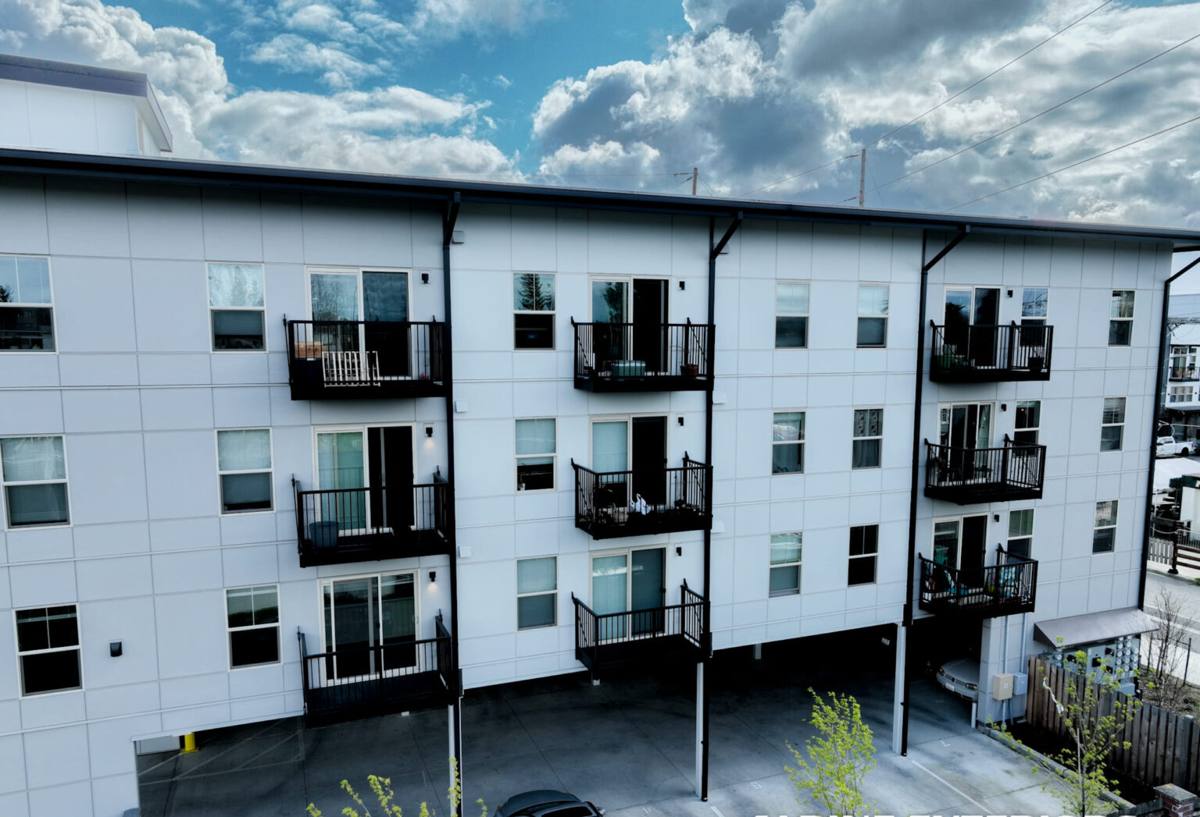
Signs a Sumas Home's Windows Are Losing the Battle
Most homeowners don't think about windows until something goes visibly wrong, but the early warning signs show up well before that. Here's what we look for during an inspection, and what you can check yourself:
- Fogging or a permanent haze between the panes — the sealed gas fill has failed and the insulating value is gone
- Soft spots, dark staining, or paint bubbling on the interior or exterior trim around the frame
- Windows that are noticeably harder to open, close, or lock than they used to be
- Visible gaps where the frame meets the siding, or caulking that has cracked and pulled away
- A cold draft near the window even when it's fully latched
- Moss or dark green-black growth building up on the sill, the exterior casing, or the trim below the window
- Condensation forming on the inside of the glass regularly, which usually points to both an aging window and a humidity issue in the home
Any one of these on its own isn't necessarily an emergency. Several of them together, especially combined with visible wood rot at the sill, usually means the window has already let water into the wall assembly, and that's a bigger job than swapping the window itself.
Why Moss Season Is a Real Factor, Not Just Cosmetic
Moss doesn't just look bad on a windowsill. It holds moisture against wood and painted surfaces for weeks at a time, which is exactly the condition that accelerates rot and finish failure. In a climate where moss has a long growing season, the sill and lower casing of a window are doing more work than people realize — they're the drainage path that's supposed to shed water away from the frame. Once that path gets compromised by old caulking, warped wood, or a sill that's lost its slope, moss is often a symptom of a drainage problem, not the cause of one.
Frame Material Comparison for This Climate
We install several window frame materials, and each one has real trade-offs in a wet, humid climate like Whatcom County's. There's no single "best" answer — it depends on your budget, your home's style, and how much maintenance you actually want to do.
| Material | Moisture Performance | Maintenance | Typical Lifespan |
|---|---|---|---|
| Vinyl | Won't rot; handles humidity well; can expand/contract with temperature swings | Low — occasional cleaning, no painting | 20–30 years |
| Fiberglass | Very stable in moisture and temperature; dimensionally consistent | Low — durable finish, rarely needs attention | 30–40+ years |
| Wood (clad exterior) | Interior wood warmth, but exterior cladding must stay intact to protect the wood core | Higher — exterior cladding and seals need periodic inspection | 20–30 years if maintained |
| Aluminum | Conducts cold and can condensate more without a thermal break | Low, but thermal performance is the weak point here | 20–30 years |
For most Sumas homeowners weighing upfront cost against long-term maintenance in a wet climate, vinyl and fiberglass are the two we recommend most often. We'll walk you through the honest reasons for either one for your specific home rather than pushing a single product line.
The Installation Details That Actually Determine Whether a Window Lasts
The window unit itself is maybe half the equation. The other half is how it's installed, and this is where a lot of failures we get called out to repair actually originate — not a bad window, but a window that was never properly flashed or sealed against the wall assembly behind it.
Flashing and Water Management
Every window opening needs a drainage plane that directs any water that gets past the exterior finish back out, not into the wall cavity. That means proper sill pan flashing, correctly lapped house wrap or building paper around the rough opening, and flashing tape integrated with the water-resistive barrier in the right sequence. Skipping or rushing this step is invisible on install day and shows up as rot two or three winters later.
Sealing Without Trapping Moisture
Caulking the exterior trim is necessary, but sealing every single gap without a plan for where trapped moisture escapes can do more harm than good. We leave appropriate weep paths and use sealants rated for exterior exposure, not general-purpose caulk that will crack and separate within a couple of seasons.
Fit and Shimming
A custom-fit window is shimmed so it's plumb, level, and square in the opening — not just wedged in and screwed down. An out-of-square install stresses the sash, causes uneven wear on the locking hardware, and can create gaps that widen over time as the house settles.
Energy Performance Ratings Worth Understanding
Manufacturer spec sheets throw a lot of numbers at homeowners. For a marine-influenced climate like ours, two ratings matter most:
- U-factor — measures how well the window prevents heat from escaping. Lower is better, and it's the single most relevant number for our heating-season climate.
- Solar Heat Gain Coefficient (SHGC) — measures how much solar heat passes through the glass. In our overcast climate this matters less than it would somewhere sunnier, but it still affects comfort on south- and west-facing windows.
Air leakage rating and condensation resistance are worth asking about too, especially given how much of the year this region spends at high humidity. A window with poor condensation resistance will fog and drip on the interior side during cold, damp stretches even if it's otherwise a good product.
What Cost Actually Depends On
We're not going to quote a number here that doesn't apply to your house — window pricing depends on too many specifics to do that honestly. What we can tell you is what actually drives the price up or down on a typical Sumas project:
| Factor | Why It Matters |
|---|---|
| Frame material | Fiberglass and higher-end vinyl cost more upfront than builder-grade vinyl or aluminum |
| Window size and configuration | Large picture windows, bays, and custom shapes cost more than standard double-hungs |
| Number of openings replaced at once | Doing the whole house at once is usually more cost-effective per window than piecemeal replacement over several years |
| Condition of the existing opening | Rot repair or reframing behind an old window adds labor beyond the window swap itself |
| Access and home height | Second-story or hard-to-access windows take more time and equipment |
| Glass package | Upgraded low-E coatings, gas fills, or triple-pane glass add cost but improve performance in our climate |
As a rough range, standard vinyl replacement windows for an average home typically run from a few hundred to over a thousand dollars per window installed, with wood, fiberglass, or custom shapes running higher. We'll give you an itemized number for your actual openings, not a ballpark that doesn't hold up once we're on site.
Our Process, Start to Finish
- Free on-site assessment — we look at every window you're considering replacing, check for hidden rot or drainage issues, and take real measurements.
- Straightforward proposal — material options, glass packages, and an itemized cost, with the trade-offs explained rather than just a single recommendation.
- Scheduling around weather — in a climate that gets extended wet stretches, we plan install timing to minimize how long any opening sits uncovered.
- Removal and inspection of the opening — once the old window is out, we check the rough opening and sill for rot or moisture damage before anything new goes in.
- Flashing, install, and sealing — done in the sequence that actually manages water, not just the fastest sequence.
- Interior and exterior finish work — trim, caulking, and cleanup so the job looks finished, not just functional.
- Final walkthrough — we check operation, locks, and seals with you before we call it done.
Why It Matters to Hire a Crew That Already Works in Sumas and Whatcom County
Window installation isn't a one-size-fits-all trade. A crew that regularly works Whatcom County homes already knows how local siding types, older framing practices, and this climate's moisture patterns tend to interact, which means fewer surprises once a window comes out and the opening is exposed. It also means we're not learning on your house how the regional weather affects sealant cure times, install scheduling around rain, or which flashing details actually hold up here versus in a drier market.
There's also a practical service side to this: a local crew is the one that comes back if something needs adjustment after the first real winter, not a company that installed once and moved on to the next region. For a job that's supposed to last two or three decades, that ongoing accountability is worth as much as the product itself.
Getting Started
If your windows in Sumas are fogging, drafting, sticking, or showing rot or moss buildup at the sill, it's worth having them looked at before another wet season adds to the damage. We offer a free, no-pressure estimate — we'll walk your home, tell you honestly which windows need replacing now versus which can wait, and give you real numbers for your specific openings. Use the form below to get started.