 Ferndale
 Siding Installation for Cordata-Area Homes
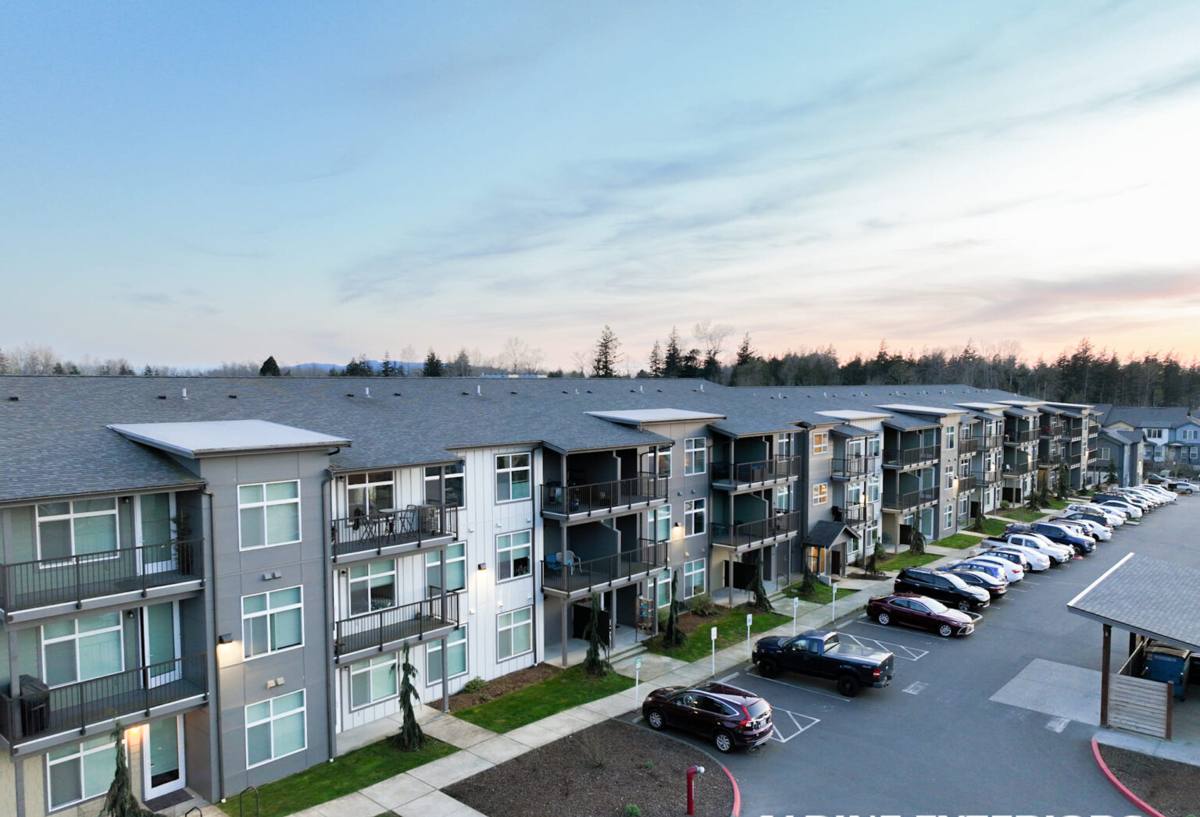
Cordata sits in the growth corridor between Ferndale and Bellingham, in Whatcom County, and it's a mix of newer subdivisions built over the past few decades alongside continued new construction. That mix matters for siding installation specifically: some homes here are getting their first-ever exterior renovation as original siding reaches the end of its service life, while others are brand new builds where the installation crew is setting the tone for how that wall performs for the next thirty years. Either way, the same regional climate is doing the work on the outside of the house — salt-tinged air drifting up from Bellingham Bay, driving rain that rarely falls straight down, and a moss season that runs longer here than most homeowners expect.
We install James Hardie fiber cement siding exclusively, on new construction and re-sides alike. For a Cordata-area home dealing with this climate, it's the system we recommend without hesitation, and installation quality is where most of the long-term performance actually gets decided.
What the Cordata-Area Climate Demands From an Installation
Salt Air, Even a Few Miles Inland
Cordata isn't a waterfront lot, but it's close enough to Bellingham Bay that homes here still pick up a real dose of salt-laden marine air, just a lighter version of what a shoreline property sees. That salt exposure speeds up corrosion in fasteners, flashing, and hardware, and it breaks down lower-grade finishes faster than a dry inland climate would. An installation that uses the wrong fastener material or skips corrosion-resistant flashing details can show rust streaks and failing trim well before the siding itself is due for attention.
Driving Rain That Tests Every Seam
Rain in this part of Whatcom County tends to come in at an angle rather than straight down, and wind-driven rain finds its way into lap joints, trim seams, and anywhere flashing is doing less than it should. This is one of the biggest reasons installation quality matters more than material choice alone — a great product installed with sloppy lapping or under-flashed trim will still let water in, while a well-installed system sheds that same driving rain without issue.
A Long Moss and Mildew Season
Consistent regional moisture, mild temperatures, and enough shaded and north-facing wall area on most homes add up to a moss and mildew season that stretches across much of the year here. Moss and mildew growth isn't just cosmetic — it holds moisture directly against the wall assembly, which is exactly the condition that leads to hidden rot behind siding that isn't detailed to shed water and dry out between storms.
New Construction Pressure to Move Fast
Because Cordata has seen ongoing new-home construction, siding installation here sometimes happens on a builder's schedule that prioritizes speed. That's understandable from a construction-timeline standpoint, but it's also exactly where corners get cut on flashing, house wrap overlap, and fastening patterns if the crew isn't holding itself to a real standard. We install on new construction the same way we install on a re-side: to spec, not to a deadline.
What a Correct Siding Installation Actually Involves
Tear-Off and Substrate Inspection
On a re-side, removing the old siding is also the first real chance to see what's actually happening behind it. Soft sheathing, hidden rot around window openings, or moisture trapped by a previous installation's mistakes all need to be dealt with before new siding goes on, not covered over. Skipping this step is one of the fastest ways to trap an existing problem behind a new wall.
House Wrap and Flashing First
Siding is the last line of defense against water, not the only one. A correctly lapped house wrap, properly integrated window and door flashing, and flashing at every horizontal trim transition are what actually keep water out of the wall assembly. Caulk should be a backup, not the primary strategy, and any installation that leans on caulk to cover gaps in the flashing plan is cutting a corner that shows up later as a wet season problem.
Fastening Pattern and Grade Clearance
Fiber cement needs to be fastened according to the manufacturer's spec for the local wind exposure, and it needs proper clearance from grade, roof lines, and decking so it isn't sitting in standing moisture. Getting either of these wrong doesn't usually fail on day one — it fails two or three wet seasons in, which is exactly why it matters to get it right the first time.
Joint and Trim Detailing
Every seam, corner, and trim joint is a potential entry point for water if it's butted together instead of properly lapped and sealed. Correct joint detailing takes more time on install day, but it's the difference between siding that sheds Whatcom County's driving rain for decades and siding that starts showing staining at the seams within a few winters.
Why James Hardie Is the Only System We Install
We used to install a broader range of siding products before narrowing to one system. That decision came from watching, over years of installs and service calls across Whatcom County, which materials actually held up under sustained regional moisture and which ones turned into maintenance problems for the homeowner a few years down the road.
- Non-combustible core: Fiber cement doesn't feed a fire the way wood-based or wood-derived siding products can, which matters for household safety and insurance underwriting alike.
- Factory-applied ColorPlus finish: The color is baked on under controlled factory conditions instead of brushed on in the field, so it resists fading, chalking, and moisture intrusion far longer than site-applied paint.
- Climate-engineered HZ product lines: Hardie builds different formulations for different climate zones, including versions engineered for regions with sustained moisture exposure, a real match for a Cordata-area property.
- Dimensional stability: Fiber cement doesn't swell, cup, or warp the way engineered wood siding can after repeated wet-season moisture cycles.
- Strong transferable warranty: Hardie backs its products with a solid warranty structure, provided the installation follows spec, giving homeowners real protection rather than a marketing claim.
We don't install LP SmartSide, vinyl siding, Cemplank, Allura, primed spruce, or cedar. Each has a place in the broader market, and plenty of homeowners elsewhere are satisfied with them. But we made a professional call that one system we trust completely, installed correctly, is worth more than a cheaper option that quietly shifts maintenance risk onto the homeowner down the road.
Choosing the Right Hardie Product Line for a Cordata Home
| Product Line | Best Use | Why It Fits This Area |
|---|---|---|
| HardiePlank lap siding | Most single-family homes, new construction and re-sides | Traditional lap profile sheds wind-driven rain effectively when lapped and flashed correctly |
| HardiePanel vertical siding | Accent walls, gables, and modern new-build designs | Clean vertical lines that suit the newer architectural styles common in Cordata's newer subdivisions |
| HardieShingle siding | Craftsman-style homes and accent sections | Textured look without the moisture absorption and upkeep of real wood shingle |
| HardieTrim boards | Corners, window and door casing, fascia | Factory-finished trim resists the same moisture exposure as the field siding |
Color and profile choices come down to the individual home and the homeowner's preference, but the underlying installation approach stays consistent — we spec and install what fits the actual exposure rather than defaulting to whatever's fastest.
New Construction vs. Re-Siding an Existing Home
New Construction Installation
Installing on a new build means working directly with the framing, house wrap, and window flashing from a clean slate, with no old material or hidden damage to work around. That's an advantage, but it also means there's no excuse for cutting corners — every flashing detail and fastening pattern gets set correctly the first time, because it's easier to do it right at this stage than to fix it later.
Re-Siding an Aging Home
Homes in Cordata that are now old enough for their first re-side often reveal installation shortcuts from decades ago once the old siding comes off — under-lapped joints, missing flashing, or house wrap that was never properly integrated with the windows. Re-siding is the opportunity to fix those underlying issues permanently, not just put a new surface over the same problems.
Our Installation Process, Start to Finish
- An in-person walk-through of the home to assess the existing siding (or, for new construction, the framing and window rough openings) and identify any substrate issues
- A written estimate that spells out product lines, colors, and scope, with no pressure to sign on the spot
- Tear-off and substrate repair where needed, with any hidden moisture damage addressed before new material goes on
- House wrap and flashing installed first, integrated correctly with windows, doors, and trim transitions
- James Hardie siding installed to manufacturer spec, with fastening patterns and grade clearances set for this area's wind and moisture exposure
- A final walk-through with the homeowner before we consider the job done
Cost Factors for a Cordata Siding Installation
| Factor | What It Affects | Why It Matters Here |
|---|---|---|
| New construction vs. re-side | Labor scope and substrate prep | Re-sides often uncover hidden moisture damage that needs repair before installation |
| Substrate condition | Repair costs before new siding goes on | Long-term trapped moisture can rot sheathing and framing on older homes |
| Product line and profile | Material cost and labor complexity | Vertical panel and shingle profiles take more install time than standard lap siding |
| Trim and detail work | Labor hours around windows, corners, and gables | More architectural detail means more flashing and joint work to get right |
| Site access | Labor time and equipment needs | Newer subdivisions and tighter lots can affect staging and material delivery |
Exact costs depend on the specific property and scope, which is why we walk the home in person before giving a real number instead of quoting off a generic price sheet.
Why a Local Crew Matters in Cordata
A crew that installs siding across this part of Whatcom County regularly understands how salt air, driving rain, and a long moss season affect a wall assembly over a full year, not just how a product performs on a spec sheet. That experience shapes real decisions on install day: how much flashing overlap is actually enough, which wall orientations need extra attention, and where it's worth slowing down to get a detail right rather than rushing to the next job. Cordata's mix of established homes and ongoing new construction means we see both ends of the installation spectrum here, and we hold both to the same standard.
Installation Quality Checklist
- House wrap installed with correct overlap and no gaps at seams
- Window and door flashing integrated with the house wrap, not just caulked over
- Siding fastened per manufacturer spec for this area's wind exposure
- Proper clearance maintained from grade, roofline, and decking
- Joints and corners lapped and sealed rather than simply butted together
- Substrate inspected and any hidden moisture damage repaired before new siding goes on
If you're planning new construction siding or a first-time re-side on a Cordata-area home, we're glad to walk the property and talk through what a correct installation looks like for your specific situation. Reach out using the form below to schedule a free, no-pressure estimate.