 Ferndale
 Custer's Siding Has a Harder Job Than Most
Custer sits in the part of Whatcom County where three things stack up against exterior siding at the same time: salt-laden air drifting in off Birch Bay and the Strait of Georgia, some of the heaviest sustained rainfall in the Ferndale area, and a moss season that can run from October well into spring. Any one of those is manageable on its own. Together, they shorten the life of the wrong siding product fast, and they're exactly why we treat this as a local specialty rather than a one-size-fits-all install.
This page covers what Custer homes specifically need from their siding, what a correct James Hardie installation looks like in this climate, and how our process is built around the conditions on this side of the county.
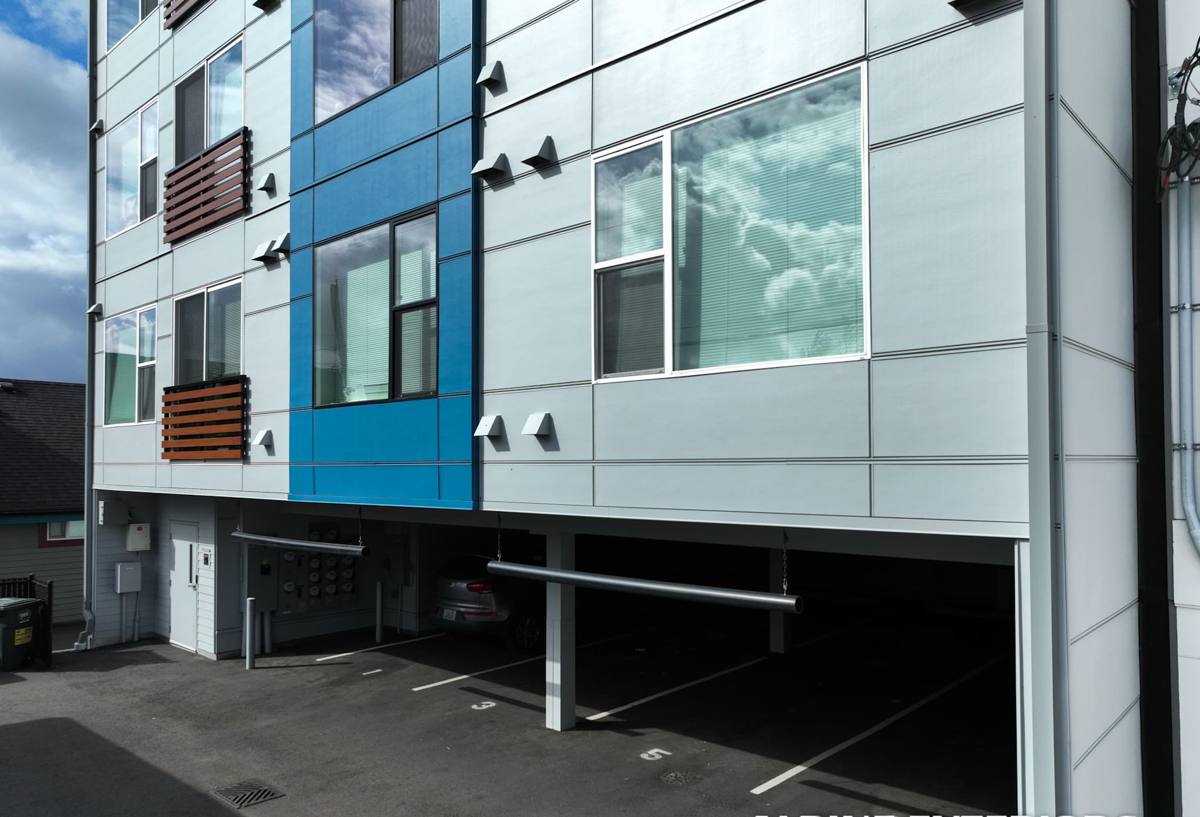
What Salt Air, Driving Rain, and Moss Actually Do to a Wall
Salt Air and Metal Fasteners
Salt-laden air doesn't just sit on a wall — it works its way into every seam, fastener head, and trim joint. Over years, it accelerates corrosion in the wrong fasteners and coatings, which is why fastener choice and trim detailing matter more here than they would twenty miles inland.
Driving Rain and Wind-Driven Moisture
Custer's exposure to weather moving in off the water means siding here regularly takes rain at an angle, not just straight down. That pushes water into laps, seams, and penetrations that a calmer inland install might never have to deal with. Siding that isn't installed with real drainage behind it eventually traps that moisture against the sheathing.
Moss and Organic Growth
Fir and cedar tree cover is common on Custer properties, and it keeps siding shaded and damp longer after every rain. Moss, algae, and lichen thrive in that combination. On the wrong siding material, sustained organic growth holds moisture against the surface and can lead to soft spots, swelling, or paint failure over time.
Why We Only Install James Hardie on Custer Homes
We install exclusively James Hardie fiber cement siding, and Custer's climate is a big part of why. Hardie's fiber cement formulation is engineered specifically for Pacific Northwest moisture exposure — it doesn't absorb and swell the way wood-based products can, and it isn't a food source for the moss and mildew that thrive in a shaded, wet yard. It's also non-combustible, which matters given how much dry brush and tree debris collects around rural Whatcom County properties during summer.
The factory-applied ColorPlus finish is baked on under controlled conditions rather than field-painted, which gives it far more consistent protection against the sun, salt, and moisture cycling this area sees than a job-site paint job typically achieves. And because Hardie backs its products with a strong, transferable warranty, homeowners aren't relying on us alone to stand behind the material decades down the line.
We won't install vinyl, LP SmartSide, Cemplank, Allura, or bare cedar on a Custer home, even when asked. Each of those has legitimate uses elsewhere, but none of them hold up as consistently against this specific combination of salt air, wind-driven rain, and moss exposure without maintenance burdens we're not willing to put a customer through.
What a Correct Installation Actually Involves
Fiber cement siding is only as good as the wall assembly behind it. A rushed or generic install can fail in this climate even with premium material on the outside. Here's what we treat as non-negotiable.
Moisture Management Behind the Cladding
Every Custer install gets a proper water-resistive barrier and, on most projects, a rainscreen gap that lets any moisture that does get past the siding drain and dry out instead of sitting against the sheathing. This is the single biggest factor in how a wall performs through a wet Whatcom County winter, and it's the step generic crews are most likely to skip or shortcut.
Fastening and Coursing
Hardie specifies exact fastener types, spacing, and embedment depth, and those specs exist for a reason — get them wrong and you invite the same moisture and corrosion problems the product is designed to resist. We follow manufacturer fastening schedules and correct coursing overlap on every board, not just the ones that are easy to reach.
Trim, Caulking, and Flashing
Windows, doors, and any wall penetration are where driving rain finds its way in first. Correct head flashing, properly lapped weather barrier, and the right sealant at trim joints are what keep wind-driven rain from Custer's exposure out of the wall cavity. We treat these details as part of the siding job, not an afterthought.
Comparing Siding Options for a Custer Property
We only install James Hardie, but homeowners deserve to understand how it actually compares to the alternatives they'll hear about, specifically in this climate.
| Siding Type | Handling of Salt Air & Wind-Driven Rain | Moss & Algae Resistance | Ongoing Maintenance |
|---|---|---|---|
| James Hardie fiber cement | Engineered for coastal PNW exposure; resists corrosion when installed per spec | Does not feed organic growth; factory finish resists staining | Occasional wash; repaint cycle is long due to ColorPlus finish |
| Vinyl | Can warp or loosen under sustained wind and temperature swings | Moss and algae grow on the surface and in seams | Low effort but seams and panels degrade with age and UV |
| LP SmartSide (engineered wood) | Wood-based core is vulnerable if moisture reaches cut edges or seams | More susceptible to sustained damp/shade conditions than fiber cement | Requires diligent caulking and edge sealing to stay ahead of moisture |
| Bare or primed cedar | Natural material that moves, cups, and weathers under constant rain exposure | Highly prone to moss, mildew, and rot without frequent upkeep | Regular refinishing, sealing, and moss treatment required |
Choosing the Right Hardie Line and Finish for This Area
Climate-Engineered HZ Products
James Hardie builds its siding in different HZ formulations tuned to regional climate zones, balancing moisture exposure, freeze cycling, and humidity for where the product will actually be installed. We spec the line appropriate for Whatcom County's wet, marine-influenced conditions rather than a generic national default, which matters more in a salt-air, high-rainfall area like Custer than it would somewhere drier.
Color and Texture Choices
Beyond the technical spec, Hardie's ColorPlus palette and panel/lap/shingle profile options let a Custer home keep a traditional Pacific Northwest look — or update it — without sacrificing the factory-cured finish that holds color and resists fading through years of sun, salt, and rain exposure.
Living With Hardie Siding in a Moss-Prone Climate
Correctly installed Hardie siding is low-maintenance, not zero-maintenance. A little seasonal attention goes a long way toward getting the full lifespan out of the material, especially on properties with heavy tree cover.
- Rinse siding with a garden hose (not a pressure washer aimed directly at seams) once or twice a year to clear pollen, dust, and early moss growth
- Keep gutters clear so overflow doesn't run down and pool behind trim or at the base of walls
- Trim back branches and shrubs that keep any wall section shaded and damp longer than the rest of the house
- Check caulking at trim joints and penetrations every year or two and re-seal if it's cracked or pulling away
- Address moss on adjacent roofing promptly, since roof runoff carrying spores is a common way it spreads onto siding below
Our Process, Start to Finish
- On-site assessment — we walk the property, check existing siding and sheathing condition, and note exposure factors specific to the lot, like shading and wind direction
- Material and line selection — we recommend the Hardie product line, profile, and color suited to the home and its exposure, not a default catalog pick
- Prep and moisture barrier installation — old siding removal, sheathing inspection and repair as needed, and correct weather-resistive barrier and drainage plane installation
- Installation to manufacturer spec — proper fastening, coursing, and trim/flashing detail at every window, door, and penetration
- Final walkthrough — we review the completed work with the homeowner before calling the job done
Why a Crew That Already Works Custer Matters
A lot of siding problems in this part of Whatcom County trace back to installation details that make sense somewhere drier but fall short here — not enough drainage behind the cladding, fastening that doesn't account for salt exposure, or trim work that wasn't built for rain coming in sideways. A crew that regularly works Custer and the surrounding Ferndale area already knows what this climate demands before the first board goes up, instead of learning it on your house.
If you're weighing siding options for a Custer property, we're glad to take a look and walk you through what correct James Hardie installation would involve for your home specifically. Reach out for a free, no-pressure estimate using the form below.