 Ferndale
 Custom Decks Built for Kendall Properties
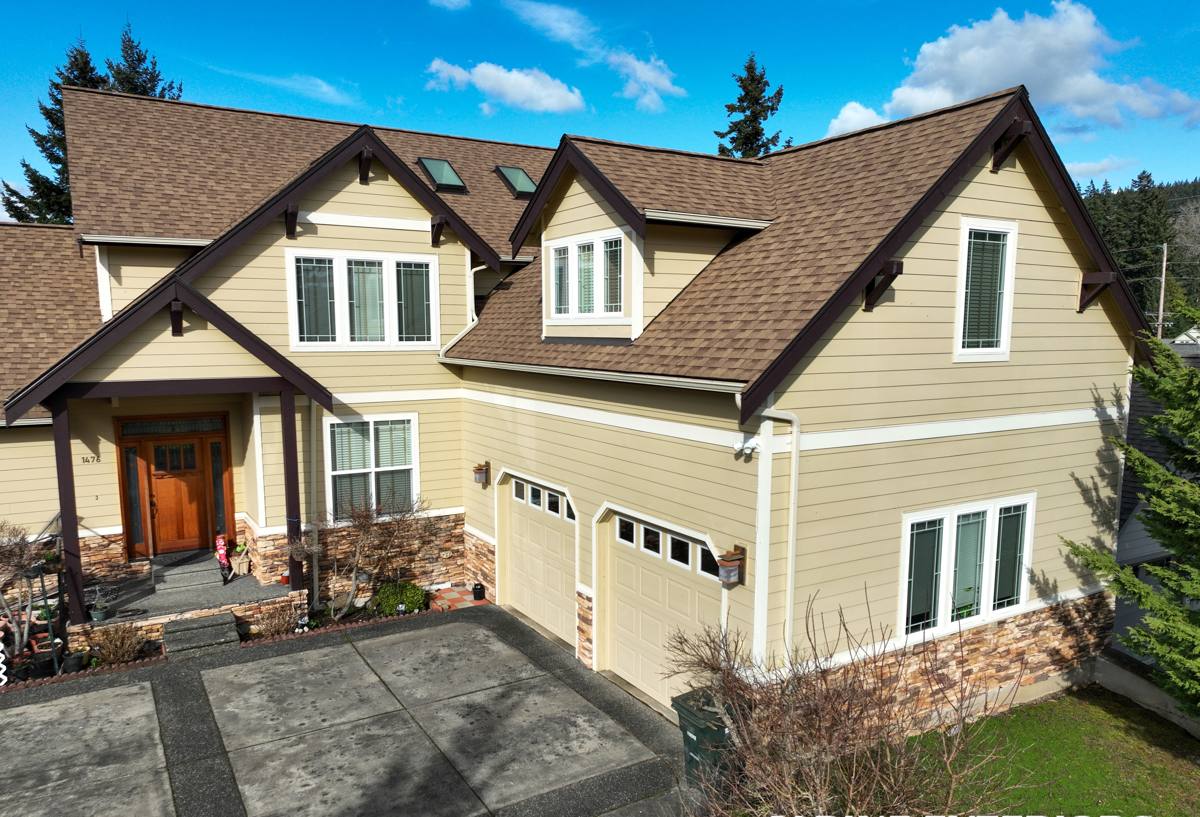
Kendall sits further inland and closer to the foothills than Ferndale itself, which means bigger lots, more tree cover, and decks that often back up to woods rather than open yards. That changes what a deck needs to survive out here. A design that works fine on a sunny, exposed lot near the water can rot, mold, or warp within a few seasons on a shaded, tree-lined property in Kendall if it wasn't built with that specific setting in mind.
We build and repair custom decks for homeowners throughout this part of Whatcom County, and Kendall jobs get treated differently from town jobs. Less direct sun, more standing moisture, more organic debris falling from overhead trees — the deck has to be designed and maintained around those realities, not just installed and left to figure it out.
What Kendall's Climate Does to a Deck
This region deals with driving rain for a good chunk of the year, salt-influenced air that reaches inland further than most people expect, and a moss season that can run nearly year-round on shaded surfaces. On a rural, tree-covered lot like a lot of Kendall properties, add in leaf litter, needle drop, and slower-drying surfaces because the tree canopy blocks wind and sun.
The practical effects show up in predictable places:
- Moss and algae building up on decking boards, stair treads, and railings — especially on the north or shaded side of the house
- Ledger boards and framing members that stay damp longer because airflow underneath the deck is blocked by shrubs, skirting, or low clearance
- Fasteners and hardware corroding faster than expected, even a few miles from the water, because of the region's salt-laden marine air
- Freeze-thaw cycles in the cold months opening up small cracks in fasteners, caulking, and finish that let water in
- Slippery decking surfaces in fall and winter where moss has taken hold, which is a real safety issue on stairs
None of this means a deck can't last decades in Kendall. It means the framing, the fasteners, the decking material, and the drainage details all have to be chosen and installed with this specific environment in mind — not the generic version of "build a deck."
Decking Material Options for This Environment
There's no single "best" decking material for every Kendall property — it depends on how much shade the deck gets, how much upkeep you want to do, and your budget. Here's how the common options actually perform out here.
| Material | How it handles our climate | Maintenance | Rough lifespan |
|---|---|---|---|
| Pressure-treated wood | Affordable, workable, but needs sealing to resist moisture and moss in shaded spots | Annual cleaning, re-sealing every 1-2 years | 15-20 years with upkeep |
| Cedar | Naturally rot- and insect-resistant, ages well, but still needs care in low-sun areas | Cleaning and oiling/staining every 1-2 years | 15-25 years with upkeep |
| Composite decking | Resists moisture and rot well; still needs periodic cleaning where moss can gain a foothold in shade | Occasional washing, no staining or sealing | 25-30+ years |
| PVC/vinyl decking | Fully non-organic surface, best resistance to moss staining and moisture damage | Occasional washing | 25-30+ years |
On heavily shaded Kendall lots, we lean toward steering clients away from bare pressure-treated wood as a walking surface unless they're committed to yearly maintenance — it's the material most likely to green up with moss under tree cover. Composite and PVC cost more up front but hold up with far less attention, which matters when the deck sits somewhere you won't be scrubbing it every month.
Framing and Foundations: Where Decks Actually Fail
Most deck failures we see aren't about the decking boards — they're about what's underneath. A deck stands or falls on its framing, and framing mistakes are what turn a 10-year-old deck into a safety hazard.
Ledger Attachment and Flashing
The ledger board — where the deck attaches to the house — is the single most common failure point on older decks. Without proper flashing, water gets behind the ledger and rots both the deck framing and the house's rim joist behind it. We flash every ledger connection correctly the first time, which is the difference between a deck that lasts and one that quietly rots from the inside.
Footings and Post Bases
On sloped or uneven ground, which describes a fair number of Kendall lots, footings need to go below the frost line and posts need proper post bases that keep wood off standing water — not just a post set directly in concrete, which traps moisture against the wood.
Joist Spacing and Fasteners
Joist spacing should match the decking material you're using — composite and PVC often call for tighter spacing than solid wood. Fasteners matter more here than people think: in a climate with this much moisture and salt-influenced air, we use corrosion-resistant, code-rated fasteners and connectors throughout, not standard hardware that starts rusting within a few years.
Design Choices That Matter on Kendall Lots
Beyond materials, a handful of design decisions have an outsized effect on how well a Kendall deck performs long-term:
- Deck height and skirting: low clearance under the deck blocks airflow and traps moisture — we build in enough clearance, or open skirting, wherever the site allows
- Board spacing: proper gapping lets water drain through instead of pooling on the surface
- Orientation to tree cover: where possible, we plan railing and stair placement to minimize direct debris drop zones from overhanging branches
- Stair and railing surfaces: textured or grooved decking on stairs specifically, since that's where moss-related slips are most dangerous
- Drainage under the deck: grading or gravel below the structure so water doesn't just sit under it season after season
None of these add much to the cost of a build. They're just details that get skipped when a crew is treating every deck the same regardless of where it sits.
Our Deck-Building Process
1. On-Site Consultation
We walk the property, look at sun exposure, tree cover, slope, and how the deck will connect to the house. This is where we talk through material options honestly, including trade-offs on maintenance and cost, not just what looks good in a brochure.
2. Design and Permitting
We put together a plan sized and engineered for the site, then handle the permitting through Whatcom County as required. Permits aren't optional paperwork — they're what makes sure the footings, framing, and railings meet code for weight, height, and guardrail spacing, which matters for safety and for resale down the line.
3. Demolition and Site Prep
If we're replacing an existing deck, we remove it and inspect what's behind it — ledger, rim joist, and framing — before building anything new. This is often where hidden rot from years of poor flashing or drainage turns up.
4. Framing and Structure
Footings, posts, ledger flashing, and joists go in to code, built for this climate specifically — proper fastener selection, proper spacing, proper drainage.
5. Decking, Railing, and Finish
Decking material goes down per the manufacturer's spacing and fastening specs, railings and stairs get installed, and any wood surfaces get sealed or finished before we walk you through the completed project.
6. Final Walkthrough
We go over the deck with you, explain what maintenance it needs and on what schedule, and make sure you know how to keep it looking and performing the way it should.
Maintenance Checklist for a Long-Lasting Deck
Whatever material you choose, a little seasonal attention goes a long way in this climate. A basic yearly routine:
- Sweep off leaves, needles, and debris regularly, especially in fall — trapped organic matter is what feeds moss and rot
- Wash the surface at least once a year with a deck cleaner appropriate for the material (avoid pressure washing wood too aggressively, it can damage the grain)
- Check and re-seal or re-stain wood decking every 1-2 years, sooner in heavily shaded areas
- Inspect railings, stair connections, and ledger flashing annually for loose fasteners or gaps
- Trim back overhanging branches where possible to improve sun and airflow to the deck surface
- Clear gutters and downspouts near the deck so runoff isn't draining directly onto or under it
A deck that gets this kind of basic attention will consistently outlast one that doesn't, regardless of what it's built from.
Permits and Whatcom County Requirements
Most new decks and major deck rebuilds in Whatcom County require a building permit, particularly once you're above a certain height or attaching structurally to the house. Requirements cover things like footing depth, guardrail height and baluster spacing, stair rise and run, and structural connections. We handle this as part of the build rather than leaving it on the homeowner to sort out — it's one less thing to worry about, and it protects you if the deck is ever inspected for a sale or insurance claim later.
Why Hire a Crew That Already Works in Kendall
A deck built by a crew that mainly works drier, sunnier climates will make different assumptions than one built specifically for this corner of Whatcom County. We already know which details matter here — ledger flashing that actually holds up to driving rain, fastener choices that resist salt-influenced corrosion, framing clearances that account for moss and moisture under shade, and material recommendations that are honest about maintenance instead of just upselling the priciest option.
That local experience shows up less in what a deck looks like on day one and more in how it holds up five, ten, and twenty years in — which is really the whole point of building it right the first time.
If you're planning a new deck or need an honest look at an existing one, we're happy to come take a look. Fill out the form below for a free, no-pressure estimate.