 Ferndale
 Windows Built for Life on Lummi Island
Lummi Island sits out past the ferry landing, fully exposed to the open water and weather that Whatcom County's mainland communities are partly shielded from. Homes here take a harder hit from salt air, wind-driven rain, and a moss season that runs longer than it does just a few miles inland in Ferndale. Custom windows on the island aren't a cosmetic upgrade — they're a functional decision about what will actually hold up in this specific setting.
This page is about one thing: custom window work for Lummi Island homes, done by a crew based in Ferndale that already makes the ferry crossing on a regular basis. It's not a generic window page with the island's name dropped in. The material choices, installation details, and scheduling realities below are specific to what island homes actually need.
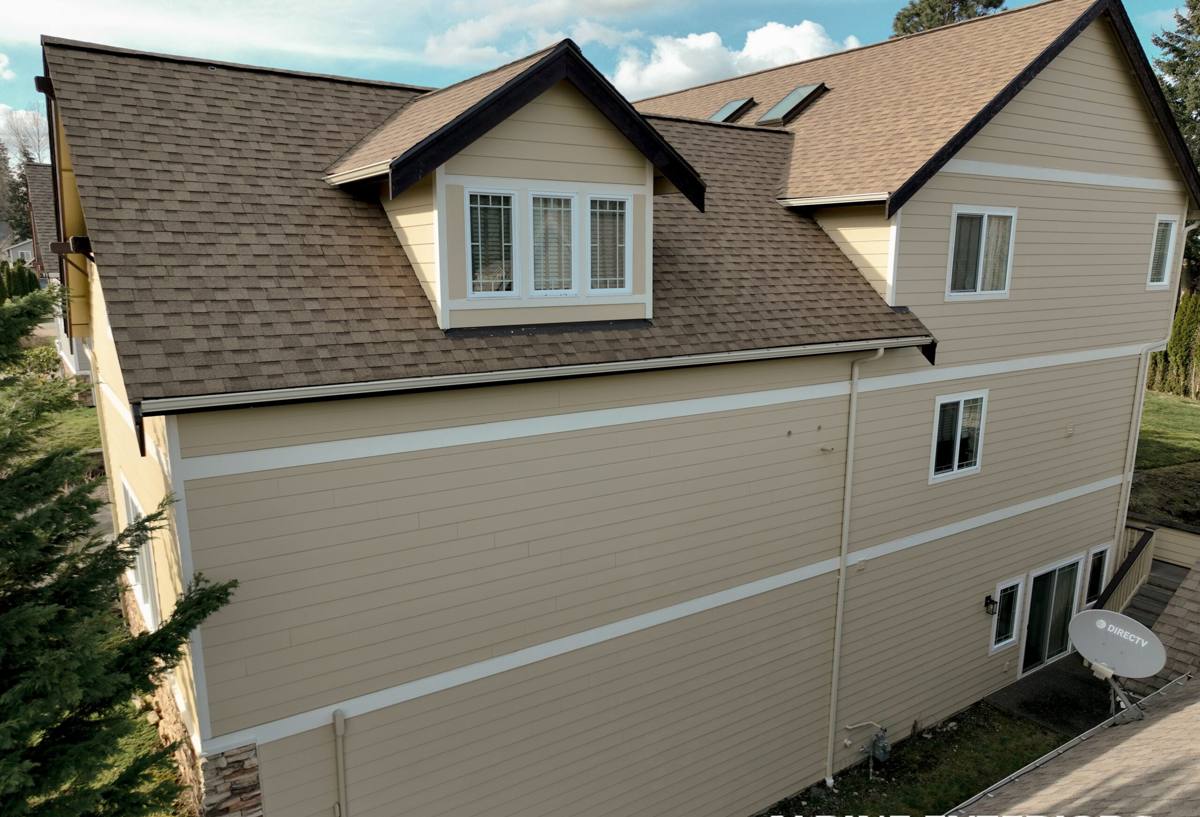
What the Marine Climate Does to Windows Over Time
Salt Air and Metal Fatigue
Airborne salt settles on every exterior surface on the island, including window frames, hardware, and fasteners. Over years, that salt film accelerates corrosion on anything that isn't rated for a marine environment — cheap hinges pit, screws seize, and aluminum components can pit or chalk faster than they would a few miles inland. This is one of the biggest differences between specifying windows for a Ferndale-area house on the mainland versus a house on Lummi Island: the same product can perform very differently depending on how much salt exposure it actually sees.
Wind-Driven Rain and Water Intrusion
Island homes, especially those with any water exposure, take rain sideways more often than sheltered inland lots do. Wind-driven rain finds gaps that a calmer rain would never reach — around the nailing flange, at the corners of the frame, and anywhere the sill isn't properly pitched to shed water. A window that's watertight in a still rain can still leak under wind pressure if it wasn't installed with that load in mind.
The Long Moss Season
Shaded, damp conditions on tree-covered lots keep moss and algae active for much of the year. On windows, that shows up as green growth building up in tracks, sills, and weep holes. Left alone, it holds moisture against wood trim and frame components and can clog the weep system a window relies on to drain water back out — which turns a well-built window into one that traps moisture instead of shedding it.
Picking Frame Materials That Hold Up Near Salt Water
Every frame material has a place, but not every material makes sense for a house that gets regular salt exposure and long stretches of damp shade. Here's how the common options generally compare for island use:
| Material | Salt/moisture resistance | Maintenance | Typical trade-off |
|---|---|---|---|
| Vinyl | Good — won't corrode or rot | Low; occasional cleaning of tracks and weep holes | Fewer custom color/finish options than other materials |
| Fiberglass | Very good — stable in swings of moisture and temperature | Low | Higher upfront cost than vinyl |
| Aluminum | Fair — needs marine-grade coatings and hardware to avoid pitting | Moderate; watch for corrosion at fasteners and hinges | Thermally conductive; can feel cold and lead to condensation |
| Wood / wood-clad | Weakest in this setting unless cladding and joints are flawless | Highest; exposed wood needs regular attention | Appearance many homeowners still prefer |
We don't refuse to install wood-clad windows, but we're upfront about the maintenance burden they carry in a salt-air, high-moisture setting like this one. If a homeowner wants that look, we'll talk through what it actually takes to keep it performing — and where a fiberglass or vinyl unit with a wood-look interior might get the same appearance with less long-term risk.
What a Correct Installation Looks Like Out Here
Flashing and Sill Pans
A window is only as good as the flashing and sill pan around it. On a marine-exposed house, we treat every opening as a place water will eventually try to get behind the window, not just through it. That means a proper sill pan to catch and direct any water that does get past the sash, flashing tape integrated correctly with the house wrap, and a sequence that sheds water down and out rather than trapping it against the framing.
Sealants and Movement
Sealant is doing real work in this climate, not just filling a gap for looks. We use exterior-rated sealants suited to the temperature swings and constant damp the island sees, and we pay attention to the joints most likely to open up over time — the corners, and anywhere dissimilar materials meet.
Hardware and Fasteners
This is one of the easiest things to get wrong and one of the most consequential. Standard fasteners can start showing corrosion within a few seasons in a salt-exposed spot. We spec stainless or otherwise corrosion-resistant fasteners and hardware for island jobs as a matter of standard practice, not an upcharge — replacing a rusted hinge or seized lock later costs more than doing it right the first time.
The Ferry Factor: Why Scheduling Is Different on the Island
A Lummi Island window job isn't just a driveway away like most Ferndale work — every trip out involves the ferry schedule, and every load of material has to make that crossing too. That changes how a job needs to be planned:
- Material orders need to account for ferry-day delivery, not just supplier lead time
- Multiple small trips back and forth cost real time, so we plan to bring what's needed in as few crossings as possible
- Weather windows matter more — a crew that has to catch a specific ferry can't always wait out a squall the way a mainland job might
- Unexpected finds behind old trim (rot, undersized framing) are more disruptive here, since a quick supply run isn't quick
A crew that hasn't worked the island before often underestimates this. It's not that the work itself is different — it's that the logistics around it require more planning up front, or the job stalls out waiting on a part that should have been on the truck the first trip.
How We Handle a Lummi Island Window Project
Site Visit and Measurement
We start with an in-person visit to measure openings, check the condition of existing framing and trim, and look at exposure — which walls take the worst of the wind and rain, and which are more sheltered. That exposure difference often affects which material or glass package makes sense on which side of the house.
Ordering and Lead Times
Custom sizes and shapes take longer to arrive than stock windows, and we build the ferry schedule into the plan from the start so materials, crew, and any specialty tools arrive together rather than in separate trips.
Install Day
On install day, we remove the old unit, inspect the framing for hidden rot or water damage before it's covered back up, set and shim the new window, install flashing and sill pan correctly, then seal and finish trim.
Walkthrough and Warranty Paperwork
Before we leave, we walk through operation of every new window with the homeowner and go over manufacturer warranty registration, since coverage and terms vary by product line.
What Affects the Cost of Custom Windows Here
Costs vary by project, but the main drivers on an island job tend to be the same handful of factors:
| Factor | Why it moves the price |
|---|---|
| Frame material | Vinyl, fiberglass, aluminum, and wood-clad all carry different material costs and labor requirements |
| Number and size of openings | More openings and larger or custom-shaped units add material and install time |
| Condition of existing framing | Rot or water damage found during removal adds repair work before the new window can go in |
| Access and logistics | Ferry crossings, tight lot access, or upper-story work all add planning and time |
| Glass and hardware upgrades | Impact-rated glass, upgraded low-E coatings, or marine-grade hardware add cost but reduce long-term maintenance |
We'd rather walk a homeowner through these factors honestly during the estimate than quote a number that doesn't hold up once we're into the actual openings.
Between-Visit Care: Keeping Your Windows Sound
Good installation buys a lot, but a little seasonal attention from the homeowner extends the life of any window in this climate. A simple checklist:
- Rinse accumulated salt film off frames and glass a few times a year, especially on wind-exposed walls
- Clear moss, needles, and debris out of tracks, sills, and weep holes so water can still drain
- Check caulk lines at the frame perimeter for cracking or separation and flag it before it becomes a leak
- Open and close each window a few times a season so hardware doesn't seize from disuse
- Watch for soft or discolored trim near window corners, an early sign of moisture getting behind the frame
Why a Crew That Already Works Lummi Island Matters
Anyone can quote a window job from a photo. What's harder to fake is knowing how the ferry schedule affects a project timeline, what Whatcom County permitting looks like for island properties, which materials actually hold up out here versus on paper, and how to sequence a job so a homeowner isn't left with an open wall waiting on the next crossing. We're based in Ferndale and make this trip regularly enough that those details are routine for us, not a learning curve on someone's house.
If you're weighing custom windows for a Lummi Island home, we're happy to come take a look and talk through what makes sense for your exposure, your budget, and your timeline. Reach out for a free, no-pressure estimate using the form below.