 Ferndale
 Kendall Homes Take a Different Kind of Beating
Kendall sits inland from Ferndale, but that doesn't mean the siding on a Kendall home has it easy. Whatcom County's marine-influenced weather doesn't stop at the coastline — moist air, long stretches of overcast days, and driving rain off the Sound push well into the valleys and foothills east of town. Add in the shade from mature trees and the humidity that settles into low-lying yards, and you get a climate that's genuinely hard on exterior building materials, even away from the water.
Homeowners in this area usually notice the same three problems over and over: siding that stays damp for days after a storm, moss and algae creeping up the north- and shade-facing walls, and paint or finish that starts failing years before it should. None of that is bad luck — it's what happens when a wall system isn't built for this specific climate.
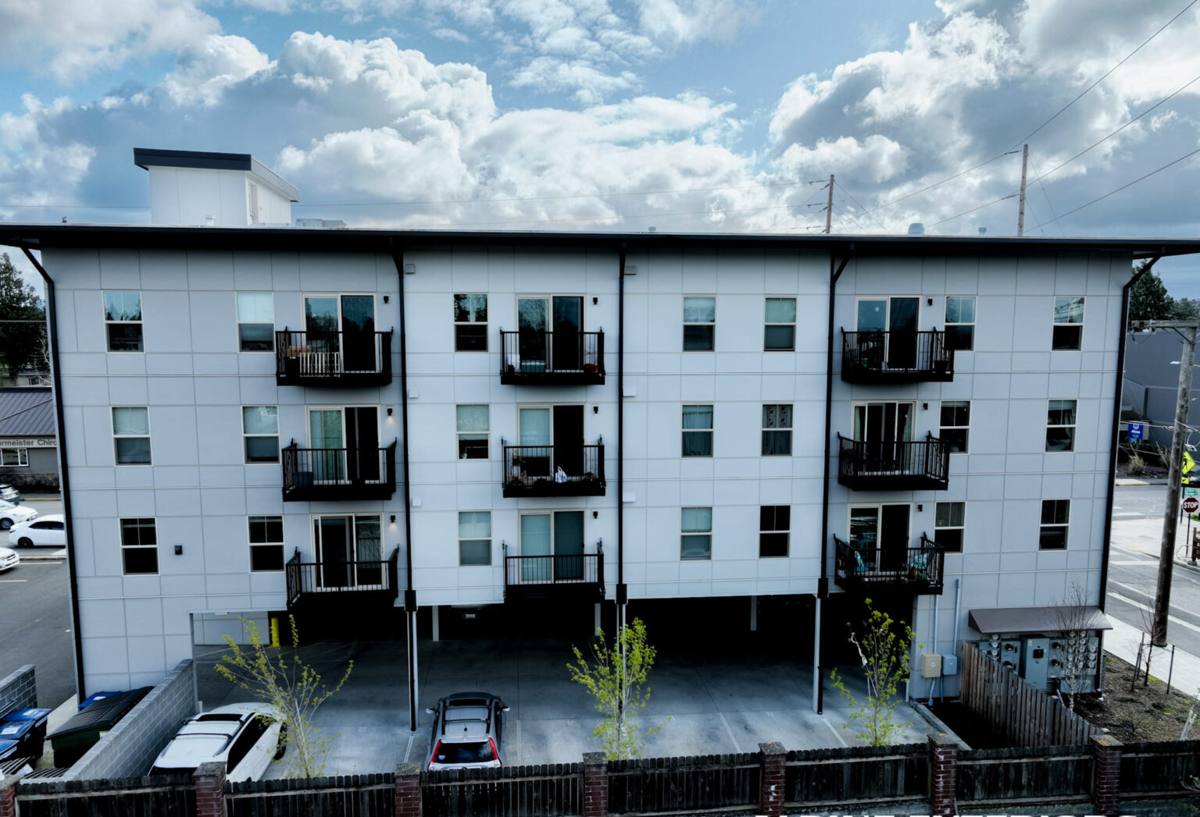
Why Salt Air, Rain, and Moss Matter So Much Here
Salt Air and Moisture Load
Even at a distance from Bellingham Bay, salt-laden air moving inland accelerates corrosion on fasteners, flashing, and any exposed metal trim. Combined with the sheer volume of rainfall Whatcom County sees over a typical winter, siding here spends a lot more time wet than siding in a drier climate. Materials that swell, wick moisture, or trap water behind the surface don't get much of a chance to fully dry out between storms.
The Long Moss Season
Moss and algae aren't just a roof problem. On shaded siding — especially the north and east walls common on wooded Kendall lots — organic growth can take hold on porous or textured surfaces and hold moisture against the wall long after the rain has stopped. Once moss gets a foothold, it's a maintenance cycle that never really ends: scrub, treat, repaint, repeat.
Driving Rain and Wind-Driven Water
Storms coming off the water don't just fall straight down — wind pushes rain sideways into wall assemblies, seams, and trim joints. A siding system with weak seams, inadequate flashing, or a finish that isn't built to shed water aggressively will eventually let moisture find its way behind the cladding, and that's where the real damage starts: sheathing rot, mold, and framing decay you can't see until it's expensive.
What James Hardie Brings to This Climate
James Hardie fiber cement is engineered specifically to handle conditions like these, which is a big part of why it's the only siding product we install. It's non-combustible, dimensionally stable, and — unlike wood-based products — it doesn't swell, warp, or delaminate when it takes on moisture. That stability matters enormously in a climate where siding is wet more often than it's dry.
James Hardie's HZ5 product line is engineered for regions with more moisture and freeze-thaw cycling, which fits Whatcom County's climate profile well. The ColorPlus factory finish is baked on in a controlled environment rather than field-applied, which gives it far better resistance to fading, chipping, and the kind of moss-friendly surface degradation that plagues repainted wood and lower-grade composite siding over time.
Why This Beats the Alternatives for Kendall Homes
We get asked regularly why we don't install vinyl, LP SmartSide, cedar, or primed spruce. The honest answer is that each of those products has a real weak point in exactly the conditions Kendall deals with — moisture cycling, shade-driven moss growth, and driving rain. Fiber cement doesn't share those weak points, which is why it holds up with far less maintenance over the life of the home.
| Material | Moisture Behavior | Moss/Algae Resistance | Maintenance Over 10 Years |
|---|---|---|---|
| James Hardie Fiber Cement | Dimensionally stable, does not swell or rot | Dense, factory-finished surface resists growth | Occasional wash; no repainting needed under warranty terms |
| Vinyl | Doesn't rot, but seams and gaps allow water behind panels | Growth common in shaded, damp areas | Low, but prone to cracking/fading; hard to repair invisibly |
| LP SmartSide (engineered wood) | Wood-based; vulnerable at cut edges and seams if moisture intrudes | Textured surface can hold moisture and organic growth | Regular caulk/paint upkeep to protect edges |
| Cedar / Primed Spruce | Absorbs moisture, prone to swelling and rot over time | High — natural wood is a preferred surface for moss | Frequent repainting, sealing, and spot repairs |
What a Correct Installation Actually Involves
Fiber cement siding is only as good as the installation behind it. A rushed or by-the-book-only install can undercut everything the product is engineered to do. On every Kendall project, correct installation means:
- A drainage plane and rainscreen gap behind the siding so any moisture that does get past the surface can drain and dry rather than sit against the sheathing
- Properly flashed windows, doors, and penetrations — the majority of moisture failures we see trace back to flashing details, not the siding material itself
- Correct fastener spacing, type, and depth per James Hardie's published installation guidelines, not generic fastening practices
- Factory-cut edges used wherever possible, with any field cuts properly sealed to protect against moisture wicking
- Proper clearance from grade, decks, and roof lines so water doesn't wick up from below or pool against the bottom edge
- Caulking and joint treatment matched to ColorPlus finish requirements so the factory warranty stays intact
Skipping any one of these doesn't usually show up right away — it shows up in year three or four as a moisture stain, a soft spot, or premature finish failure. That's the gap between siding that's simply "installed" and siding that's installed to hold up in this climate for decades.
Our Process for Kendall Projects
- On-site assessment — we walk the home, check current siding condition, identify moisture-prone areas (shaded walls, low clearance points, existing rot), and note anything specific to the lot's exposure and drainage.
- Tear-off and sheathing check — old siding comes off and we inspect the sheathing underneath. Any hidden moisture damage gets addressed before new siding ever goes up; covering a problem is never an option.
- Weather barrier and rainscreen installation — a proper drainage plane goes down first, built for the volume of rain this area sees.
- Flashing and trim detailing — windows, doors, and all penetrations get flashed correctly before siding installation begins.
- James Hardie installation to manufacturer spec — correct fastening, clearances, and joint treatment, following James Hardie's guidelines exactly.
- Final inspection and cleanup — we walk the finished job with the homeowner and confirm every detail before calling it done.
Living With Moss-Prone, Rain-Heavy Conditions
Even the best siding benefits from basic upkeep in a climate like this. James Hardie dramatically reduces the maintenance burden compared to wood or engineered wood siding, but a few habits go a long way toward keeping a Kendall home looking sharp year-round:
- Rinse shaded, north- and east-facing walls once or twice a year to clear early moss and algae before it establishes
- Keep gutters clear so overflow doesn't run down the siding face during heavy storms
- Trim back vegetation and tree cover that keeps walls shaded and damp longer than necessary
- Check caulking at trim joints and penetrations periodically — this is the first place wear shows up, regardless of siding material
- Address any impact damage or chipped finish promptly so moisture never gets a foothold at the damaged spot
None of this is heavy maintenance — it's the kind of upkeep any exterior benefits from — but it's a fraction of what wood-based sidings demand in a climate defined by driving rain and a long moss season.
Why Hiring a Crew That Already Works Kendall Matters
Siding installation isn't one-size-fits-all, and it shouldn't be treated that way. A crew that's worked homes throughout Ferndale and the surrounding Whatcom County communities already knows which details matter most locally: how much clearance to leave given the rainfall totals here, which wall orientations need extra attention for moss, and how to detail flashing for storms that come in sideways rather than straight down. That's knowledge you don't get from a general installation manual — it comes from doing the work in this exact climate, repeatedly, and seeing what holds up and what doesn't over the years that follow.
We install James Hardie exclusively because it's the product that performs best under these conditions when it's installed correctly — and installing it correctly, for this climate, is the whole job.
If you're planning a siding project for a home in Kendall or elsewhere around Ferndale, we're happy to walk the property, look at your current siding's condition, and put together a straightforward, no-pressure estimate. Use the form below to get started.