 Ferndale
 Asphalt Shingle Roofing for Nooksack Homes
Nooksack sits inland from the Strait, but the weather that rolls across Whatcom County doesn't stop at the water's edge. Moisture-laden air pushes east on the prevailing winds, and by the time it reaches Nooksack it's still carrying enough salt and humidity to matter for a roof. Combine that with driving winter rain and a moss season that can run from October into May, and you have a climate that is genuinely hard on asphalt shingles if the roof underneath them wasn't built for it. This page covers what an asphalt shingle roof needs to hold up here, what a correct installation actually involves, and how we approach the job on homes in and around Nooksack.
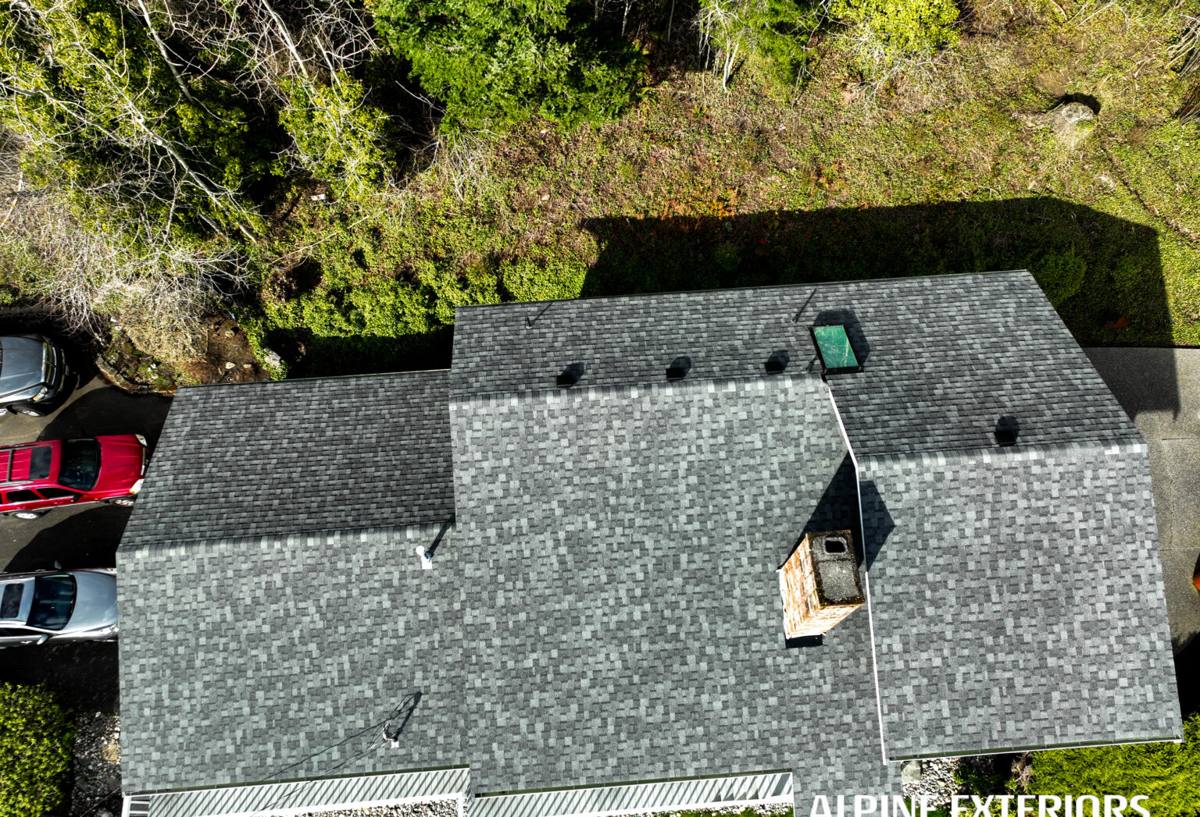
What Nooksack's Climate Does to a Roof
Asphalt shingles are a proven, affordable roofing material almost everywhere in the country. In this part of Whatcom County, though, three things work against them if the roof isn't detailed correctly:
Driving Rain
Rain here rarely falls straight down. Wind-driven storms push water sideways under shingle tabs, into nail heads, and along flashing edges. A roof that would be fine in a drier climate with looser detailing can leak in Nooksack within a few seasons if the underlayment, flashing, and shingle overlap weren't done with wind-driven rain specifically in mind.
Salt-Influenced Air
The air moving across this part of Washington carries more salt and moisture than inland regions of the state. It won't corrode asphalt shingles the way it attacks bare metal, but it does accelerate wear on exposed metal flashing, fasteners, and vents if they aren't rated for a marine-influenced environment. We spec accordingly.
A Long Moss Season
Shaded, north-facing roof slopes around Nooksack — especially on lots with fir or cedar cover — stay damp for months at a stretch. That's exactly what moss and algae need to take hold. Left alone, moss lifts shingle edges, holds water against the roof deck, and shortens the life of even a well-installed roof. It's less about whether moss will show up and more about how the roof is designed and maintained to keep it from doing damage.
What a Correct Installation Involves
A shingle roof is only as good as what's underneath it. The shingles themselves get the attention, but the layers beneath them do most of the work of keeping a Nooksack home dry.
- Ice-and-water shield at eaves, valleys, and around every penetration — the areas most exposed to wind-driven rain and ponding.
- Synthetic underlayment across the full roof deck, lapped correctly so water always sheds downhill over the next course, never into it.
- Properly sized and lapped metal flashing at all walls, chimneys, skylights, and valleys — the single most common source of leaks we find on older Nooksack roofs.
- Balanced attic ventilation (intake at the eaves, exhaust at the ridge) so moist interior air doesn't condense against the roof deck from underneath.
- Correct nailing pattern per the manufacturer's wind-rating requirements — under-nailing is common and it's the reason shingles blow off in the first real winter storm.
- Drip edge on every eave and rake, not just some of them, so water can't wick back under the shingles at the roof's edge.
None of this is visible once the roof is finished, which is exactly why it's the part worth asking a contractor about before they start.
Choosing a Shingle for This Climate
Not every asphalt shingle product is a good fit for a wet, moss-prone climate. We steer most Nooksack homeowners toward a laminated architectural shingle with a strong algae-resistance rating rather than a basic 3-tab, mainly because of how each performs over a long moss season and in sustained wind-driven rain.
| Shingle Type | Wind Performance | Moss/Algae Resistance | Typical Lifespan Here |
|---|---|---|---|
| 3-Tab (standard) | Lower wind rating; more prone to tab lift | Standard granules only, unless algae-resistant option chosen | 15–20 years with regular upkeep |
| Architectural / Laminated | Higher wind rating from thicker, layered construction | Usually available with algae-resistant (copper/zinc granule) options | 25–30 years with regular upkeep |
| Premium / Designer | Highest wind rating in most lines | Algae-resistant standard on most premium products | 30+ years with regular upkeep |
Algae-resistant granules (usually copper- or zinc-infused) don't make a roof moss-proof, but they slow regrowth on the shaded slopes that struggle most in this climate. On a heavily shaded lot, that's often worth the modest upcharge over the life of the roof.
Our Process on a Nooksack Roof
- On-site inspection. We walk the roof and the attic, not just look from the ground. Deck condition, existing ventilation, and flashing history tell us more than the shingles' surface appearance does.
- Written scope and estimate. What's being removed, what's being installed, and why — no vague line items.
- Tear-off and deck check. Old roofing comes off down to the deck so we can see and repair any soft or water-damaged sheathing before it's covered up again.
- Underlayment and flashing first. This is the layer that actually keeps water out; it gets done to spec before a single shingle goes down.
- Shingle installation to the manufacturer's nailing and exposure requirements — not a faster, looser version of it.
- Ventilation check and correction if the attic isn't breathing properly, since that affects both moisture and the shingle warranty.
- Final walkthrough so you know what was done and what to expect from the roof going forward.
Moss, Maintenance, and What Actually Helps
A new roof reduces moss and leak risk, but it doesn't eliminate the need for upkeep in a climate like this one. Homeowners who get the longest life out of a Nooksack roof tend to do a few simple things:
- Keep gutters and valleys clear of needles and debris, especially under overhanging trees.
- Have moss growth treated or gently removed before it thickens — a light coating is easy to manage, a mat of moss is not.
- Avoid pressure washing shingles directly; it strips granules and shortens shingle life faster than the moss it removes.
- Trim back branches that keep a slope shaded and damp longer than the rest of the roof.
- Have the roof looked at after any major windstorm, even if nothing looks obviously wrong from the ground.
Repair or Replace?
Not every issue on a Nooksack roof means a full replacement. The honest answer depends on the roof's age, how widespread the damage is, and what's happening underneath the shingles.
Usually a Repair
Isolated flashing leaks, a handful of wind-lifted or cracked shingles, or moss buildup on an otherwise sound roof can typically be addressed without replacing the whole system — as long as the underlying deck and underlayment are still in good shape.
Usually a Replacement
Widespread granule loss, multiple past leak repairs, a roof original to a home built decades ago, or soft/spongy decking found during an inspection are signs the roof has reached the end of what a repair can reasonably fix.
What Drives Cost
| Factor | Why It Matters |
|---|---|
| Roof size and pitch | Steeper, larger roofs take more material, time, and safety setup |
| Number of layers to remove | Tear-off of multiple old layers adds labor and disposal cost |
| Deck repairs found underneath | Rotted or soft sheathing has to be replaced before new roofing goes on |
| Shingle grade chosen | Architectural and premium lines cost more but last longer and resist moss better |
| Ventilation and flashing work needed | Correcting inadequate attic ventilation or old flashing adds scope but prevents future problems |
| Roof complexity | Valleys, dormers, skylights, and chimneys all add labor and detail work |
We won't quote a price without seeing the roof — anyone who does is guessing. What we can tell you upfront is that the biggest cost swings come from deck condition and roof complexity, not the shingle brand itself.
Why a Local Crew Matters Here
A roofing crew that regularly works Whatcom County knows which details actually matter for this climate — where wind-driven rain tends to find weak flashing, which slopes hold moss longest, and how attic ventilation needs differ from a drier region's standard install. That local pattern recognition is hard to get from a crew passing through on a one-off job.
- Familiarity with how wind-driven rain and shaded slopes behave on local roof lines.
- Knowledge of which shingle and flashing products actually hold up under this area's conditions.
- Availability for warranty callbacks and follow-up, not just the initial install.
- A track record you can check with other homeowners nearby, not just distant reviews.
If you're weighing a repair, a replacement, or just want an honest read on where your roof stands, we're glad to take a look. Reach out for a free, no-pressure estimate using the form below.