 Ferndale
 Storm Damage Roof Repair for Sumas Homes
Sumas sits at the northern edge of Whatcom County, tucked against the Canadian border with the kind of weather pattern that swings harder than most people expect from western Washington. Homeowners here deal with the same driving rain and long moss season that hits the rest of the county, plus colder winter snaps and gustier wind events that come off the open farmland and foothills. When a storm rolls through and takes a bite out of a roof, the damage isn't always obvious from the ground — and waiting to find out is how a small repair turns into a full interior remediation job.
This page covers what storm damage repair actually looks like for a Sumas roof, what a correct repair involves, and how our process works from the first call to the final inspection.
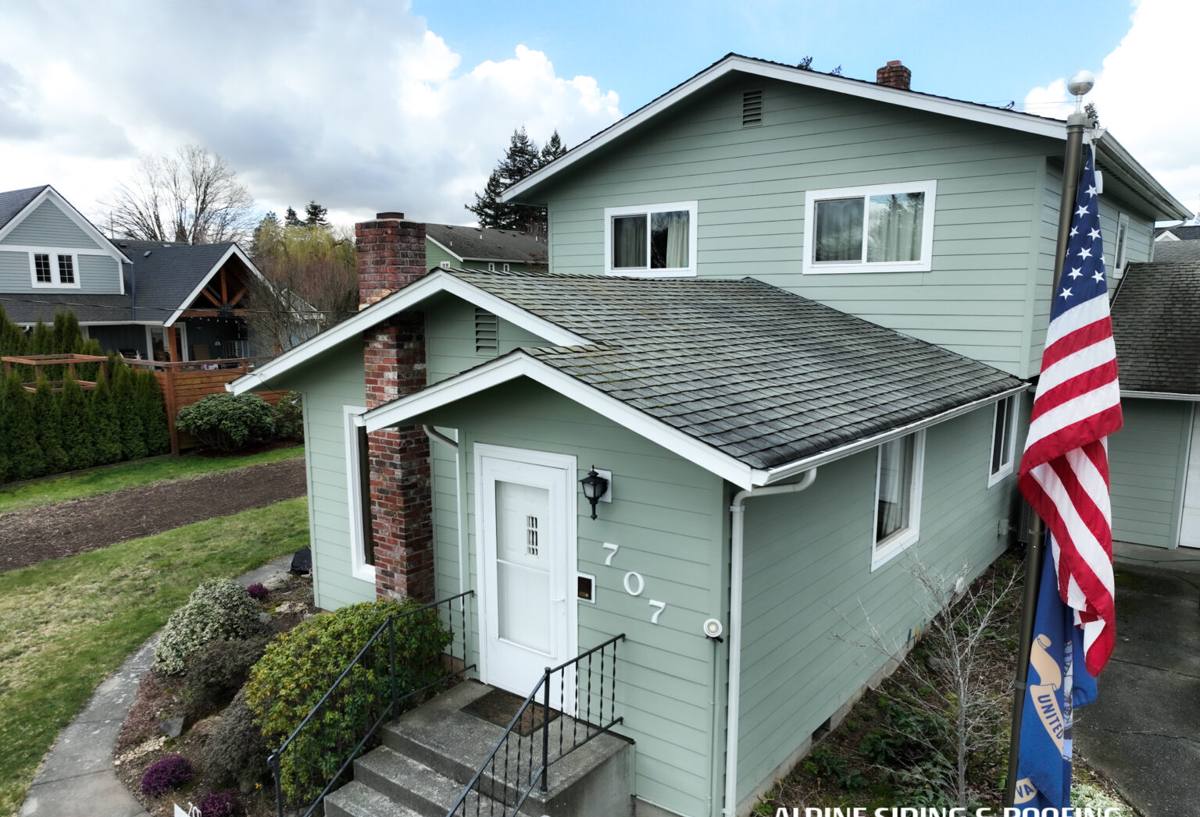
What Storm Damage Looks Like on a Sumas Roof
Not every storm-damaged roof has an obvious hole in it. Most of the calls we get after a wind or hail event involve damage that's easy to miss unless you know what to look for:
- Lifted, cracked, or missing shingles, especially along ridgelines and roof edges where wind uplift concentrates
- Bent or torn flashing around chimneys, vents, and skylights
- Granule loss on asphalt shingles from hail or wind-driven debris, which shows up as bald patches or gritty runoff in gutters
- Punctures or bruising from branches, hail, or blown debris that don't leak right away but compromise the shingle's waterproofing over time
- Gutter and downspout damage that redirects water somewhere it shouldn't go
- Soft spots or sagging decking, usually a sign water has already been getting in for a while
The tricky part is that a roof can look fine from the driveway and still be letting water in above the sheathing. That's why storm damage repair starts with an actual inspection, not a guess based on what's visible from the ground.
Why Whatcom County's Climate Makes This Worse
Western Washington's marine climate means rain that doesn't just fall, it drives — sideways, for days at a stretch, finding every gap a storm has opened up. Add Whatcom County's long moss season, where shaded and north-facing roof slopes stay damp for months, and any storm damage that isn't sealed up quickly becomes an entry point for moisture that never really dries out. Moss holds water against the roofing material, works its way under shingle edges, and accelerates rot in decking that's already stressed from an impact or wind event.
Sumas' inland position near the border also means it can see colder overnight temperatures and occasional freeze-thaw cycles that coastal parts of the county don't get as often. Water that gets into a cracked shingle or open seam and then freezes expands the damage — a hairline crack in the fall can be a real leak by late winter. That combination of driving rain, persistent moss, and freeze-thaw stress is exactly why storm damage that would be minor in a drier climate needs to be addressed promptly here.
What a Correct Storm Damage Repair Actually Involves
A proper storm damage repair isn't just swapping out the shingles that are obviously torn. It's a systematic look at everything the storm could have compromised, because water doesn't announce itself right at the point of damage — it travels.
The roofing system, not just the surface
Shingles are the visible layer, but the underlayment beneath them is what actually keeps water out if a shingle is compromised. A correct repair checks the underlayment condition wherever shingles were damaged or removed, not just the shingles themselves. Flashing around penetrations — chimneys, vents, skylights, and roof-to-wall transitions — gets checked and resealed or replaced as needed, since flashing failures are one of the most common causes of a leak that seems to come from "nowhere."
Decking and structure
If water has been getting into the roof deck, plywood or OSB sheathing can soften or delaminate. Any section that's spongy or discolored needs to be identified and replaced before new roofing goes over it — covering rotten decking with new shingles just hides the problem and guarantees a repeat repair.
Matching materials
Repairs should use materials that match the existing roof as closely as possible in type, weight, and color line. A patch job with mismatched shingles is a cosmetic problem now and a maintenance headache later, since different shingle batches age and weather at different rates.
Our Storm Damage Repair Process
We keep this straightforward because storm damage is stressful enough without a confusing process on top of it.
- Inspection and documentation. We walk the roof (or use ground and ladder inspection where the roof pitch or condition makes walking it unsafe) and document every area of damage with photos. This documentation matters for insurance claims and gives you a clear picture of what actually needs work.
- Temporary protection if needed. If there's active leaking or exposed decking, we prioritize getting the roof weathertight — tarping or temporary sealing — before anything else, so the damage doesn't spread while repairs are scheduled.
- Written scope and estimate. You get a clear breakdown of what needs repair, what materials we're using, and what it costs — no vague line items.
- The repair itself. Damaged shingles, underlayment, flashing, and decking are addressed in that order, working from the structure out to the surface layer.
- Final check. We confirm the repair area is properly sealed and matches the surrounding roofline before we consider the job done.
Repair or Replace? What Actually Decides It
Storm damage doesn't always mean a full new roof, but sometimes it's the honest trigger for one — especially if the roof was already near the end of its service life. Here's how we think through it:
| Factor | Leans toward repair | Leans toward replacement |
|---|---|---|
| Roof age | Under roughly 10-12 years old | Nearing or past typical asphalt shingle lifespan |
| Extent of damage | Localized to one section or slope | Scattered across multiple slopes or widespread granule loss |
| Decking condition | Solid, no rot found | Soft or delaminated decking in multiple areas |
| Shingle matching | Matching shingles still available | Discontinued color/style, patch would be visibly mismatched |
| Underlying moss/moisture history | Isolated issue, roof otherwise dry | Long-term moisture damage found beyond the storm event itself |
We'll always tell you honestly which side of that table your roof falls on. A repair that's going to need redoing in two years isn't a favor to anyone.
Insurance Claims and Storm Damage
Many storm damage repairs qualify for a homeowner's insurance claim, but the process goes smoother when the damage is well documented and the scope of work is clear before the adjuster shows up. We can provide the same photo documentation and written scope we use for our own estimate to support your claim, and we're glad to walk the roof with an adjuster if that's helpful. We don't handle the claim itself — that's between you and your insurer — but we won't leave you guessing about what the damage actually involves.
What to Do Immediately After a Storm
- Check gutters and the ground around the house for shingle granules, shingle pieces, or flashing debris
- Look inside the attic (if accessible and safe) for daylight, water stains, or damp insulation
- Note any active dripping or staining on ceilings, especially near chimneys, vents, or skylights
- Take photos of visible damage from the ground before cleanup starts
- Avoid getting on the roof yourself, especially on wet or moss-covered surfaces
- Call for an inspection sooner rather than later — small openings get worse with every additional rain event
Moss Management as Part of Storm Damage Repair
Because Whatcom County's moss season runs long, any storm damage repair on a Sumas roof should include a look at moss growth in the area, not just the immediate damage. Moss holding moisture against a repaired section undermines the repair from underneath, regardless of how well the shingles and flashing were installed. Where it makes sense, we'll clear moss from the repair area and adjacent sections and talk through options for keeping it from creeping back, rather than treating the storm damage and the moss as unrelated issues.
Why It Matters That We Already Work in Sumas
A crew that's worked roofs across Whatcom County knows the difference between damage patterns near the coast and damage patterns further inland near the border — how freeze-thaw cycles show up differently, how moss behaves on the shaded slopes common in this area, and which roof details tend to fail first under sustained driving rain. That's not something you get from a general contractor passing through once. It means a faster, more accurate read on what a storm actually did to your roof, and a repair scope that accounts for how this specific climate will treat that repair over the next several winters — not just how it looks the day we finish.
If a recent storm has left your Sumas roof with missing shingles, damaged flashing, or a leak you can't quite trace, we're happy to take a look. Reach out for a free, no-pressure estimate using the form below and we'll walk you through exactly what we find and what it would take to fix it right.