 Ferndale
 Siding Installation in Lynden: Built for This Corner of Whatcom County
Homes around Lynden and Ferndale sit in one of the more demanding siding environments in Western Washington. You're close enough to the coast and the Nooksack lowlands to get salt-tinged air on top of the region's long, wet winters, and the tree cover and low winter sun angle that make this area beautiful also mean siding stays damp longer than it would in a drier, sunnier climate. When a homeowner in this area calls us about siding installation, the first thing we talk about isn't color or style. It's what the material and the installation both need to survive here, because in Whatcom County those two things determine whether a siding job lasts fifteen years or fifty.
This page is about siding installation specifically for the Lynden and greater Ferndale area — what local homes actually need from a new siding system, what a correct installation involves step by step, and why the crew doing the work matters just as much as the product going on the wall.
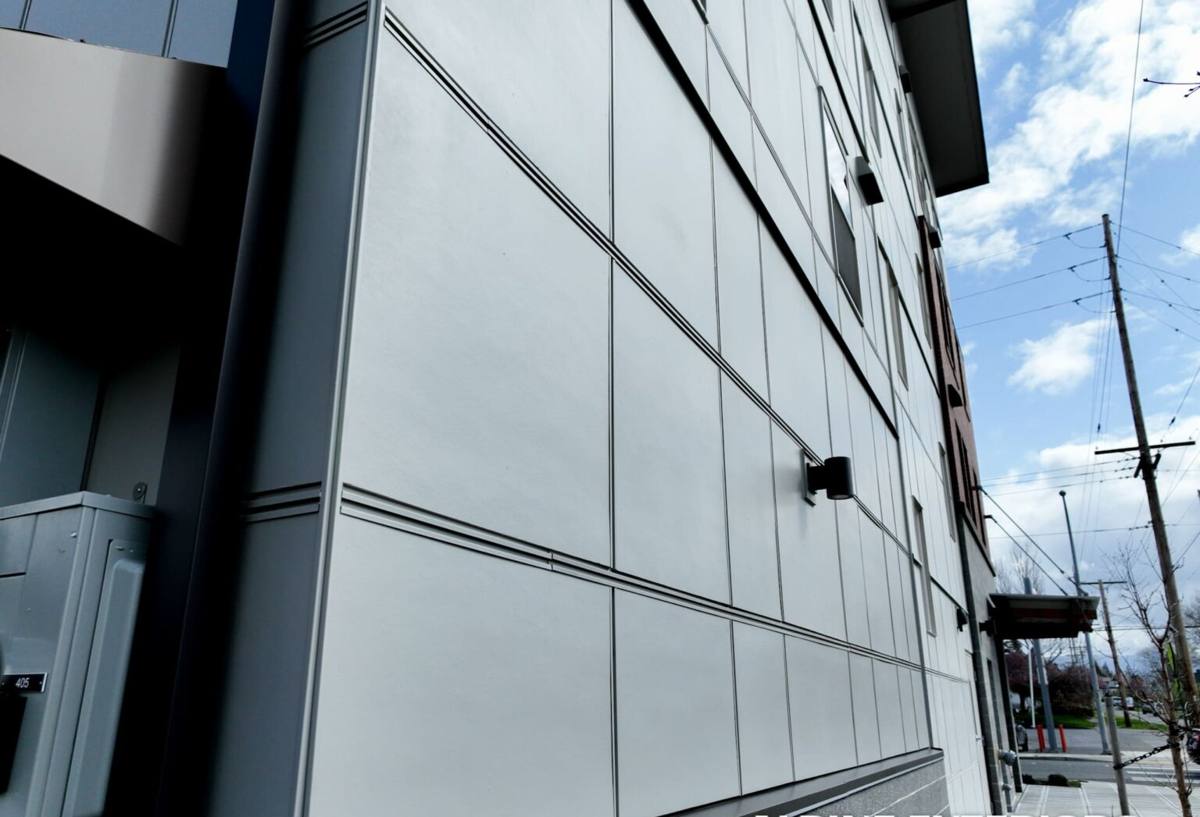
Why Siding Wears Out Faster Around Lynden and Ferndale
Three regional factors do most of the damage to siding here, and they compound each other.
Salt Air
Proximity to Bellingham Bay and the Strait of Georgia means a steady low-level exposure to salt-laden moisture, even well inland. Salt air accelerates corrosion on fasteners and metal flashing, and it degrades cheaper paint finishes faster than inland climates would. Any siding installation in this area has to account for corrosion-resistant fastening and finishes that hold up to airborne salt, not just rain.
Driving Rain
Whatcom County doesn't just get a lot of rain — it gets a lot of wind-driven rain, especially during fall and winter storm systems that push moisture sideways into wall assemblies rather than straight down. Siding that relies on paint film alone, or that isn't installed with correct laps, flashing, and drainage gaps, lets that water find its way behind the cladding. Once water gets behind siding in a climate this wet, it often doesn't dry out again until summer.
Moss Season
Shade, moisture, and mild temperatures make this region ideal for moss and algae growth on north-facing and shaded walls. Moss holds moisture against the siding surface for months at a time, which is hard on any material that isn't dimensionally stable or that absorbs water into its core. A siding installation done right here plans for moss exposure from the start — material selection, ventilation, and even how close plantings sit to the wall.
What a Correct Siding Installation Actually Involves
"New siding" sounds simple, but the visible panels are the last five percent of the job. Everything underneath is what determines whether the siding survives a Whatcom County winter.
Tear-Off and Sheathing Inspection
We remove the old siding and inspect the sheathing underneath for rot, delamination, or prior water damage — which is common on older homes in this area that were sided with materials less forgiving of moisture. Any compromised sheathing gets replaced before anything new goes up. Skipping this step is the single most common reason siding jobs fail early.
Weather-Resistive Barrier and Flashing
A correctly lapped weather-resistive barrier, paired with properly integrated flashing at windows, doors, and any wall penetrations, is what actually keeps driving rain out of the wall assembly. The siding itself is the second line of defense, not the first. This is also where most corner-cutting happens on rushed jobs, because it's invisible once the siding goes up.
Rainscreen and Drainage Gap
Given how much moss and shaded moisture this area sees, we build in a drainage gap behind the siding so that any water that does get past the cladding has somewhere to go, and so the wall assembly can actually dry between rain events. This detail matters more in Whatcom County than in drier parts of the state.
Fastening and Finish Work
Fasteners are matched to the material and driven to manufacturer spec — not overdriven, not underdriven — and all cut edges and joints are sealed and caulked correctly. This is where salt-air corrosion resistance and long-term appearance are won or lost.
Why We Install Only James Hardie Fiber Cement
We don't install vinyl, LP SmartSide, primed wood, or the various other fiber cement brands on the market. That's a deliberate standard, not a limitation of what we're capable of doing, and in a climate like Lynden's the reasoning is straightforward.
Vinyl is affordable and low-maintenance in mild climates, but it's a thin plastic product that can warp in temperature swings and doesn't stand up well to the kind of driving rain and wind exposure this area sees over decades. LP SmartSide and other engineered wood products perform reasonably well when kept dry, but their core is still wood-based, and wood-based siding is the material most vulnerable to the exact conditions Whatcom County produces — sustained moisture and shaded, moss-prone walls. Primed wood and cedar require the most ongoing maintenance of any option and are the least forgiving of the salt air and rain load in this region.
James Hardie fiber cement is non-combustible, dimensionally stable, and doesn't absorb water into a wood-based core the way engineered wood siding can. It's manufactured in HZ climate-engineered product lines specifically formulated for wet, humid regions like the Pacific Northwest. The factory-applied ColorPlus finish is baked on under controlled conditions, which holds color and resists the kind of fading and moss staining that field-applied paint struggles with here. It also carries a strong, transferable warranty when installed to Hardie's specifications — which is a meaningful hedge for anyone planning to sell the home down the road.
None of this means other products are junk. It means that after years of doing exterior work in this exact climate, Hardie is the material we're willing to put our name behind for Lynden and Ferndale homes.
Our Process, From Estimate to Finished Job
- Free on-site estimate. We walk the exterior, check current siding and sheathing condition where accessible, and talk through your goals — repair scope, style, color, and timeline.
- Written scope and quote. You get a clear breakdown of what's included: tear-off, sheathing repair allowance, weather barrier, flashing, drainage gap, Hardie product line, and finish details.
- Scheduling around weather. Whatcom County's wet season narrows the practical installation window. We plan the job to avoid installing over saturated sheathing or during extended rain systems whenever possible.
- Tear-off and inspection. Old siding comes off, sheathing is inspected and repaired as needed, and you're shown anything unexpected before we move forward.
- Weather barrier, flashing, and rainscreen installation. The parts you won't see again once the job is done, installed to spec.
- Hardie siding installation. Panels or lap siding installed per manufacturer fastening and clearance requirements.
- Final trim, caulking, and walkthrough. We finish all joints and edges, clean the site, and walk the exterior with you before calling the job complete.
Cost Factors for Siding Installation in Lynden
Every home is different, so we don't publish flat pricing, but these are the variables that most affect the cost of a siding installation in this area.
| Factor | Why It Matters Locally |
|---|---|
| Sheathing condition | Older homes in wetter zones often need more sheathing repair before new siding can go on |
| Home size and wall complexity | More corners, dormers, and trim details mean more labor and cut waste |
| Siding profile chosen | Lap siding, panel siding, and shingle-style Hardie products differ in material and labor cost |
| Existing moisture damage | Moss-prone, shaded walls sometimes reveal hidden rot only found once old siding is removed |
| Accessibility | Steep rooflines, tight setbacks, or difficult site access add time and equipment needs |
| Color and finish selection | Factory ColorPlus finishes vs. field-painted options affect both cost and long-term maintenance |
What to Look for in a Siding Checklist Before You Hire
- Written scope that includes sheathing inspection and repair allowance, not just "install new siding"
- Explicit mention of weather-resistive barrier and flashing details, not just the visible product
- A drainage gap or rainscreen approach appropriate for a wet, moss-prone climate
- Manufacturer-certified installation practices if you're getting Hardie siding, since improper installation can affect warranty coverage
- Local experience — a crew that has worked on homes in this specific climate and knows what driving rain and salt air actually do to a wall assembly
- Clear timeline that accounts for Whatcom County's wet season rather than rushing installation over damp sheathing
Why Hiring a Crew That Already Works in Lynden Matters
Siding installation isn't a one-size-fits-all trade. A crew that mostly works in drier inland climates may not think twice about drainage gaps or moss exposure, because those details matter less where they usually work. A crew that's used to Whatcom County knows that a north-facing wall behind a stand of trees needs a different approach than a south-facing wall in full sun, and that salt air changes what fasteners and flashing you should be using even a few miles from the water. That local pattern recognition is hard to fake and easy to skip if a contractor isn't already familiar with this specific stretch of coastline and county.
After Installation: Keeping Hardie Siding Performing in This Climate
One of the practical advantages of fiber cement in a climate like this is how little ongoing maintenance it needs compared to wood-based alternatives. Even so, a few habits extend its life further here specifically: keeping gutters clear so runoff doesn't sheet down the siding face, trimming back vegetation that shades walls and traps moisture, and rinsing off moss or algae buildup on shaded sides before it has a chance to establish. None of this is labor-intensive, but it matters more here than it would in a drier region.
If you're planning a siding installation in Lynden, Ferndale, or elsewhere in Whatcom County, we'd rather walk your home and give you a straight answer about what it actually needs than guess from a distance. Reach out for a free, no-pressure estimate below.