 Ferndale
 Birch Bay Decks Live a Harder Life Than Most
A deck built a few miles inland and a deck built along Birch Bay are not the same project, even if the plans look identical on paper. Homes closer to the water deal with salt-laden air that accelerates corrosion on anything metal, wind-driven rain that gets pushed sideways under railings and into joints, and a moss season that runs long into the shoulder months when the rest of Whatcom County starts to dry out. None of that is exotic — it's just the normal weather pattern here — but it changes which materials and details actually hold up versus which ones look fine for a season or two and then start failing.
We build decks throughout the Ferndale area, and Birch Bay is one of the communities where we've learned to stop specifying "standard" details and start specifying what actually survives this microclimate. This page covers what that means in practice: framing, fasteners, decking material, drainage, and the maintenance reality that comes with living this close to the water.
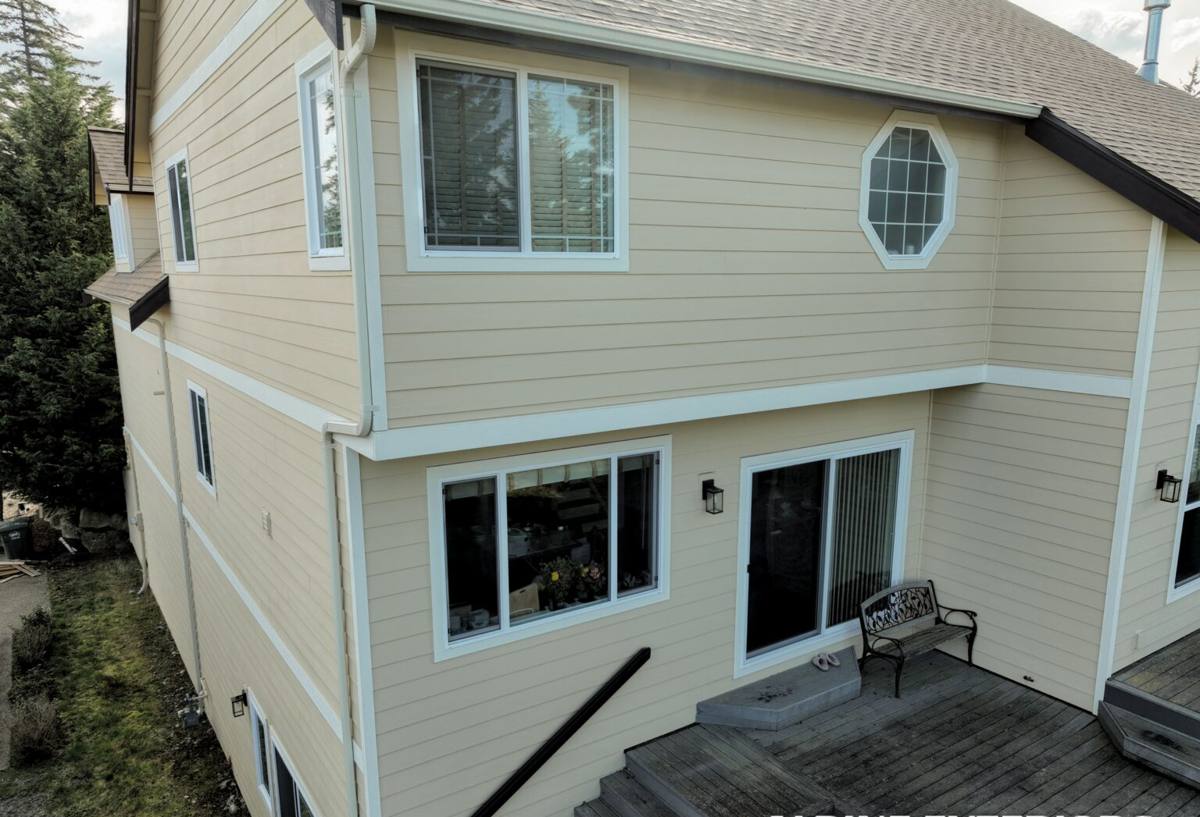
What Birch Bay's Climate Actually Does to a Deck
Three things drive almost every deck problem we get called out to fix in this area, and they compound each other:
Salt Air
Airborne salt doesn't need direct wave contact to do damage — it travels on the wind and settles on every exposed surface. Over time it accelerates corrosion on fasteners, brackets, and any hardware that isn't rated for coastal exposure. A screw or bracket that would last decades in a drier, inland yard can start showing rust streaks within a few years here if it's the wrong grade.
Driving Rain
Wind off the water pushes rain at angles that flat, inland-style flashing details don't account for. Water finds its way behind ledger boards, under poorly lapped flashing, and into end grain that isn't sealed — and once it's in, it stays in, because this area doesn't get the long dry stretches that let wood fully dry out between storms.
A Long Moss Season
Shade, moisture, and mild temperatures are exactly what moss and algae want, and Birch Bay gets all three for a large part of the year. On horizontal deck surfaces, moss holds moisture against the board, blocks drainage grooves, and turns stair treads and low-traffic corners slick and dark long before the wood itself is actually failing structurally.
Building a Deck That's Actually Made for This
A correctly built Birch Bay deck starts from the ground up with these conditions in mind, not as an afterthought or an upsell.
Framing and Ledger Attachment
The ledger board — where the deck attaches to the house — is the single most common source of hidden rot on any deck, coastal or not, but the stakes are higher here because moisture cycles more often. Proper ledger flashing that sheds water away from the house band board, correct standoff or flashing tape at the attachment points, and joist framing that allows airflow underneath all matter more in a climate that rarely gets a real dry-out period.
Fasteners and Hardware
This is where a lot of decks quietly fail near the water. Standard galvanized fasteners are fine in many parts of the country but aren't our standard for a Birch Bay build — we spec stainless steel or coastal-rated coated fasteners and structural hardware, because the cost difference up front is small compared to the cost of pulling deck boards to replace rusted-out screws in eight years instead of twenty-five.
Footings
Footing depth and design need to account for local soil and frost conditions, and on some Birch Bay lots that means dealing with sandy or variable coastal soils rather than the denser inland clay found elsewhere in the county. We size and place footings based on what's actually under the deck, not a generic assumption.
Choosing the Right Decking Material for This Environment
There's no single "best" decking material — there's the material that fits your budget, your maintenance appetite, and how close you are to the water. Here's how the common options actually compare in Birch Bay's conditions specifically:
| Material | Salt Air / Moisture Performance | Moss & Algae Resistance | Maintenance | Typical Lifespan Here |
|---|---|---|---|---|
| Pressure-treated wood | Good if sealed and maintained; end grain is a weak point | Needs regular cleaning and periodic sealing to resist moss buildup | Annual cleaning, re-sealing every 2-3 years | 15-20 years with upkeep |
| Cedar | Naturally moisture-resistant but still needs sealing near salt air | Better natural resistance than pressure-treated, still needs cleaning | Sealing every 2-3 years, occasional board replacement | 15-25 years with upkeep |
| Composite decking | Excellent — doesn't absorb moisture or rot | Surface can still grow moss/algae film; needs periodic washing | Occasional washing, no sealing or staining | 25-30+ years |
| PVC decking | Excellent — fully synthetic, no rot risk | Same as composite; smooth surfaces shed moss more easily than grooved boards | Occasional washing | 25-30+ years |
We don't push one material on every homeowner. Wood costs less up front and has a warmer, natural look many people want; composite and PVC cost more initially but trade ongoing sealing and staining for occasional washing. In a climate with this much moisture and moss pressure, that maintenance trade-off is worth walking through honestly before you decide, not after the deck is built.
Railings, Stairs, and Code Requirements
Birch Bay is unincorporated Whatcom County, so permitting for most new or substantially rebuilt decks runs through the county building department rather than the City of Ferndale. Guardrail height, baluster spacing, and stair rise-and-run all have to meet current building code — this isn't optional detail work, it's what keeps the deck safe and keeps you from having problems at resale or insurance time. We handle the permitting and inspection process as part of the build so you're not left figuring out county requirements on your own.
Beyond code minimums, railing material matters here too. Wood railings take the same salt-air and moisture exposure as decking, sometimes worse since they're more exposed to wind-driven rain. Metal or composite railing components need the same coastal-rated hardware standard as the rest of the structure.
Our Deck Building Process
The process itself isn't complicated, but skipping steps is exactly how decks end up with hidden problems a few years in:
- On-site assessment — we look at sun/shade exposure, wind direction, drainage, and how close the site is to the water, since all of that affects material recommendations.
- Design and material selection — sized to your budget, with an honest walkthrough of maintenance trade-offs between wood, composite, and PVC.
- Permitting — we pull and manage the required Whatcom County permits and inspections.
- Framing and footings — built to the depth and spacing the soil and structure call for, not a generic minimum.
- Flashing and ledger work — done to keep water out of the house structure, not just off the deck surface.
- Decking, railing, and stairs — installed with coastal-rated fasteners throughout.
- Final walkthrough — including basic maintenance guidance specific to the material you chose.
Living With a Deck in a Moss-Prone, Salt-Air Climate
Even a correctly built deck needs some seasonal attention here — that's just the reality of this environment, not a sign anything was done wrong. A short annual routine keeps small issues from becoming board or structural replacements:
- Sweep debris and standing leaves off the deck surface regularly, especially in shaded corners where moss takes hold first
- Wash the deck at least once a year to remove moss and algae film before it gets a foothold
- Check and clear drainage gaps between boards so water isn't pooling underneath
- Inspect ledger flashing and any wood-to-house connection points for signs of moisture intrusion
- Reseal or restain wood decking on the schedule appropriate to that material — don't wait until it's visibly graying
- Look at fastener heads periodically for early rust staining, which shows up before structural hardware actually fails
Why Hire a Crew That Already Works Birch Bay
A lot of deck problems we're called to fix aren't from bad carpentry — they're from details that would be perfectly fine somewhere else but weren't matched to this specific environment. A contractor who mostly builds inland may default to standard galvanized hardware, standard flashing details, and standard maintenance advice, because that's what works where they usually build. None of that is wrong in general — it's just not sized for driving rain off the water, a moss season that runs longer than most of the county, and salt air that shortens the life of the wrong hardware choice.
Working this area regularly also means we already know the county's permitting process for this type of project, we've seen how different decking materials actually age here over years (not just in a showroom), and we can tell you honestly which corners are worth spending more on and which aren't, based on what actually fails first in this climate.
Get a Straight Answer on Your Deck Project
If you're planning a new deck in Birch Bay or need to know whether an existing one is worth repairing versus rebuilding, we're glad to take a look and give you a straightforward assessment — no pressure, no upsell. Use the form below to request a free estimate and we'll walk the site with your specific conditions in mind.