 Ferndale
 Why New-Construction Window Installation Is Different in Blaine
Blaine sits right on the water at the top of Whatcom County, which means every home built here takes a different kind of weather beating than a house twenty miles inland. Salt-laden air off the Strait of Georgia and Semiahmoo Bay works on exposed hardware and fasteners year-round. Driving rain arrives sideways during winter storms, testing every seam around a window opening rather than just the glass. And the long gray, damp stretch from fall through spring keeps siding, trim, and window sills wet enough, long enough, for moss and algae to take hold if water isn't shed properly. None of that is a problem you fix after the fact with caulk. It's a problem you either build out correctly during new construction, or you spend the next fifteen years chasing.
New-construction window installation means setting windows into a home that's still open to the framing — no existing siding or trim to work around, no old flashing to inspect and patch. That's an advantage if it's done right, because you get to build the water management system from scratch instead of retrofitting one. It's also unforgiving, because any shortcut taken at this stage gets sealed behind siding and drywall, and it may not show itself as a leak for years.
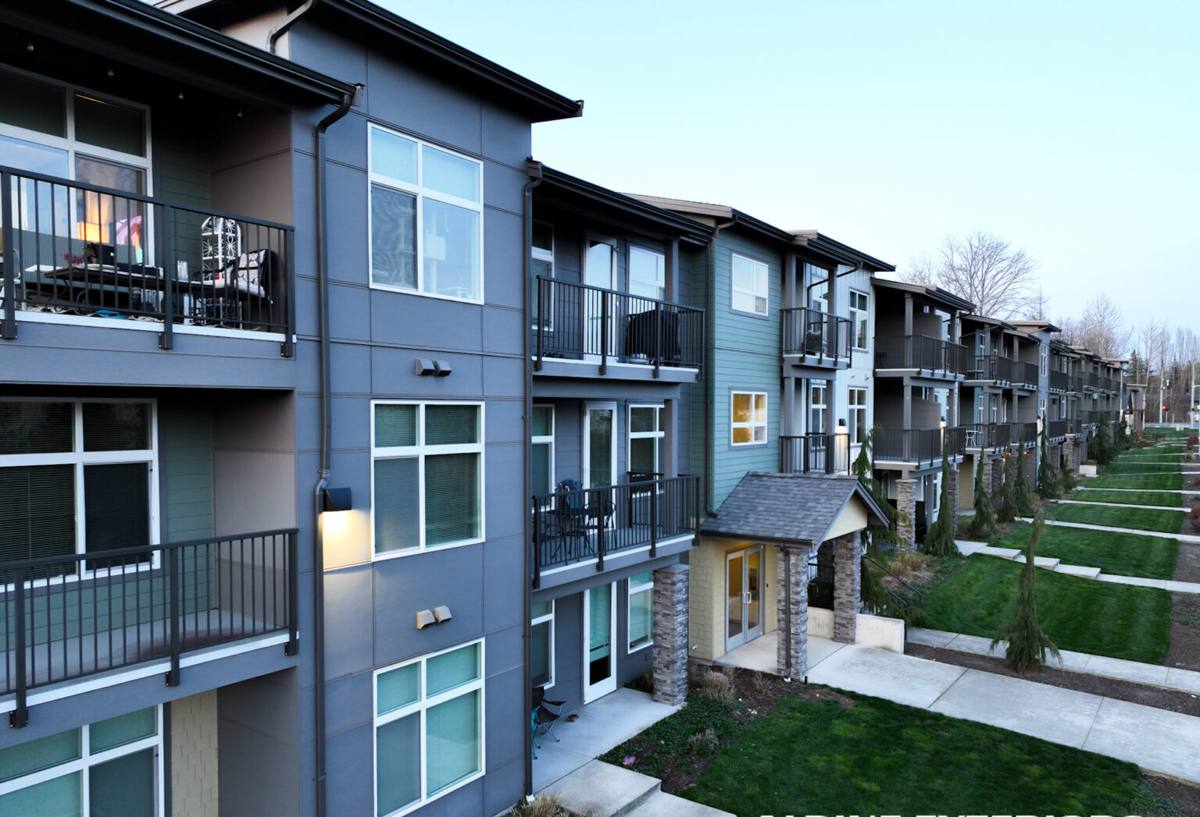
What "New Construction" Windows Actually Means
New-construction windows have a nailing flange (sometimes called a nail fin) around the perimeter of the frame. That flange gets integrated into the home's weather-resistive barrier (WRB) and flashing system before siding goes on. This is different from a replacement or "insert" window, which fits into an existing frame with no flange and relies on the surrounding trim and existing flashing for weatherproofing.
On a new build or a full-tear-off remodel down to the studs, new-construction windows are almost always the right call in this climate. They give you a continuous, layered path for water to drain out and away from the wall assembly instead of getting trapped behind it — which matters a lot more in a place that sees Blaine's rain totals than it does somewhere dry.
Where This Fits in the Build Sequence
- Rough openings framed and checked for square, level, and correct sizing
- Housewrap or WRB installed and lapped correctly around the opening
- Sill pan flashing installed to catch and direct any water that gets past the window back out
- Window set, shimmed, and fastened through the nailing flange per the manufacturer's schedule
- Flashing tape applied to the sides and head in the correct shingle-lap order (sides first, then head, over the top of the WRB above)
- Interior sealing and insulation around the frame, exterior trim and siding installed last
The Local Risks We're Building Against
Salt Air and Corrosion
Homes within a mile or two of the water in Blaine see faster corrosion on exposed metal fasteners, hinges, and hardware than the same materials would experience further inland in Whatcom County. That's a reason we pay attention to fastener material and window hardware finish on coastal builds, and why we don't treat every job in the county as identical — a house near the water gets different product recommendations than one out toward Ferndale proper.
Wind-Driven, Sideways Rain
A lot of window leaks aren't caused by rain falling straight down — they're caused by wind pushing water sideways and upward into gaps that would never see water in a calm rain. Blaine's exposure to weather coming off the Strait makes this a real, recurring load on window openings, not an occasional worst-case. That's why sill pan flashing and correct head flashing lap order aren't optional details here; they're the difference between a window that stays dry in a January storm and one that doesn't.
Extended Dampness and Moss
Whatcom County's long wet season means any surface that stays damp — a sill that doesn't shed water, a shaded corner that never fully dries — becomes a place where moss and algae take hold. On windows specifically, that shows up as staining, deteriorated caulk, and eventually wood rot on sills and trim that don't drain properly. Getting slope and drainage right at installation is cheaper than fighting moss and rot on a five-year-old window later.
What a Correct Installation Involves
| Step | Why It Matters in Blaine's Climate |
|---|---|
| Sill pan flashing | Gives any water that gets past the window a way out instead of soaking into framing — critical with sustained wind-driven rain |
| Correct flashing lap order | Water always sheds over the layer below it; done backward, it funnels water into the wall instead of away from it |
| Compatible sealants and tapes | Some flashing tapes and sealants don't bond well together or with certain WRBs — mismatches fail quietly over a few wet seasons |
| Manufacturer fastening schedule | Under-fastened flanges shift and flex in wind; over-fastening can bow the frame and cause operation issues |
| Corrosion-resistant fasteners near the water | Standard fasteners corrode faster in salt-air exposure closer to Semiahmoo Bay and the Strait |
| Proper shimming and square | An out-of-square window binds, doesn't seal against its own weatherstripping, and stresses the frame over time |
How Our Process Works on New-Construction Jobs
We work directly with the builder or general contractor's schedule rather than showing up whenever and hoping the framing is ready. On most jobs that looks like this:
- Review plans and window schedule before delivery to confirm sizes, swing/operation, and rough opening dimensions match what's framed
- Inspect the WRB and rough openings before we install anything — if something's off, we flag it before windows go in, not after
- Install sill pans, set windows, and flash each opening in sequence, checking level, plumb, and square on every unit
- Document flashing details as we go, since this work gets covered by siding shortly after
- Walk the job with the builder or homeowner before we leave, and again after siding is on, to confirm operation and trim fit
Because we're doing siding on the same homes, we're also the crew responsible for what happens to that flashing once trim and siding cover it — which keeps us honest about doing it right the first time. There's no handoff where one contractor blames the other for a leak two years later.
Choosing Window Frame Material for This Climate
Frame material matters more here than it does in a drier, milder climate, because whatever you choose is going to spend a lot of days a year wet or humid.
| Frame Type | How It Handles Blaine's Climate |
|---|---|
| Vinyl | Good moisture resistance, no corrosion risk, budget-friendly; can expand/contract with temperature swings, so installation tolerances matter |
| Fiberglass | Very stable dimensionally, holds up well to sustained damp exposure, generally the most durable option for coastal-adjacent homes; higher upfront cost |
| Wood-clad | Attractive interior wood look with an exterior-protective cladding; the cladding's seams and end cuts need careful sealing since the wood underneath is vulnerable if water gets in |
| Aluminum | Strong and slim-profile, but conducts cold and is more prone to condensation in a damp maritime climate; we use it selectively rather than as a default |
We'll talk through the trade-offs for your specific project rather than pushing one product line. The right call often comes down to budget, the home's exposure to wind and rain, and how much upkeep you want to take on long-term.
What Drives Cost on a New-Construction Window Job
| Factor | Effect on Cost |
|---|---|
| Number and size of openings | More or larger windows means more material and labor hours, straightforwardly |
| Frame material | Vinyl is typically the most affordable; fiberglass and wood-clad cost more up front but often less in long-term maintenance |
| Height and access | Second-story and hard-to-access openings take longer and may require additional equipment |
| Exposure level | Homes with direct wind/rain exposure near the water may warrant upgraded flashing details, which adds labor but reduces future risk |
| Coordination with other trades | Working cleanly with the builder's schedule keeps costs predictable; delays and rework from poor sequencing add cost on any job |
A Checklist for Builders and Homeowners
Whether you're a homeowner working with a general contractor or building yourself, these are worth confirming before windows go in:
- Rough openings are checked for level, square, and correct size before delivery day
- The WRB is installed and lapped correctly, with no gaps or reverse laps around openings
- Sill pan flashing is part of the plan for every opening, not just the most exposed ones
- The installer knows and follows the specific window manufacturer's fastening and flashing instructions
- Flashing tape and sealant products are confirmed compatible with each other and the WRB
- Someone is documenting flashing details with photos before they get covered by siding
- There's a clear plan for who's responsible if a leak shows up after the home is finished
Why Local Experience in Blaine Matters
A crew that's worked new-construction windows in Blaine specifically has already seen how this town's wind and rain actually behave against a house — not just what the code minimums assume. That shows up in small decisions: which corners of a lot tend to catch the worst of the weather off the water, when moss becomes a problem on north-facing sills that don't get sun to dry out, and which fastener and flashing choices hold up under salt air exposure versus which ones don't. It also means we already have a working relationship with the inspection and permitting side of things in Whatcom County, so scheduling doesn't turn into a guessing game.
We're not a crew that treats Blaine the same as a dry-climate build somewhere else and hopes for the best. This is water management planning specific to the coastline you're building on.
If you're planning a new build or a full remodel in Blaine and want windows installed right the first time, we're happy to walk the plans with you and give you a straightforward, no-pressure estimate — just fill out the form below.