 Ferndale
 Why Blaine Homes Wear Out Windows Faster
Blaine sits right on the water at the northern edge of Whatcom County, and that location comes with a specific set of problems for windows. Salt-laden air off the coast works on aluminum hardware, screen frames, and exposed fasteners in ways that inland homes never deal with. Add in wind-driven rain that comes sideways off the water during winter storms, and you have conditions that will find any weak point in a window's seal, flashing, or frame within a few seasons. Most window failures we see in this area aren't from age alone — they're from moisture getting somewhere it shouldn't, slowly, over years.
Then there's moss. Whatcom County's long, wet, mild winters mean moss and algae get a real foothold on anything that stays damp and shaded, including window sills, frame corners, and the caulk lines around older units. Once moss and organic growth take hold in a seal or a sill joint, they hold moisture against the wood or vinyl constantly, which accelerates rot and seal breakdown. A window that would last 25 years in a drier inland climate can start showing real problems in half that time here if it wasn't installed with this climate in mind.
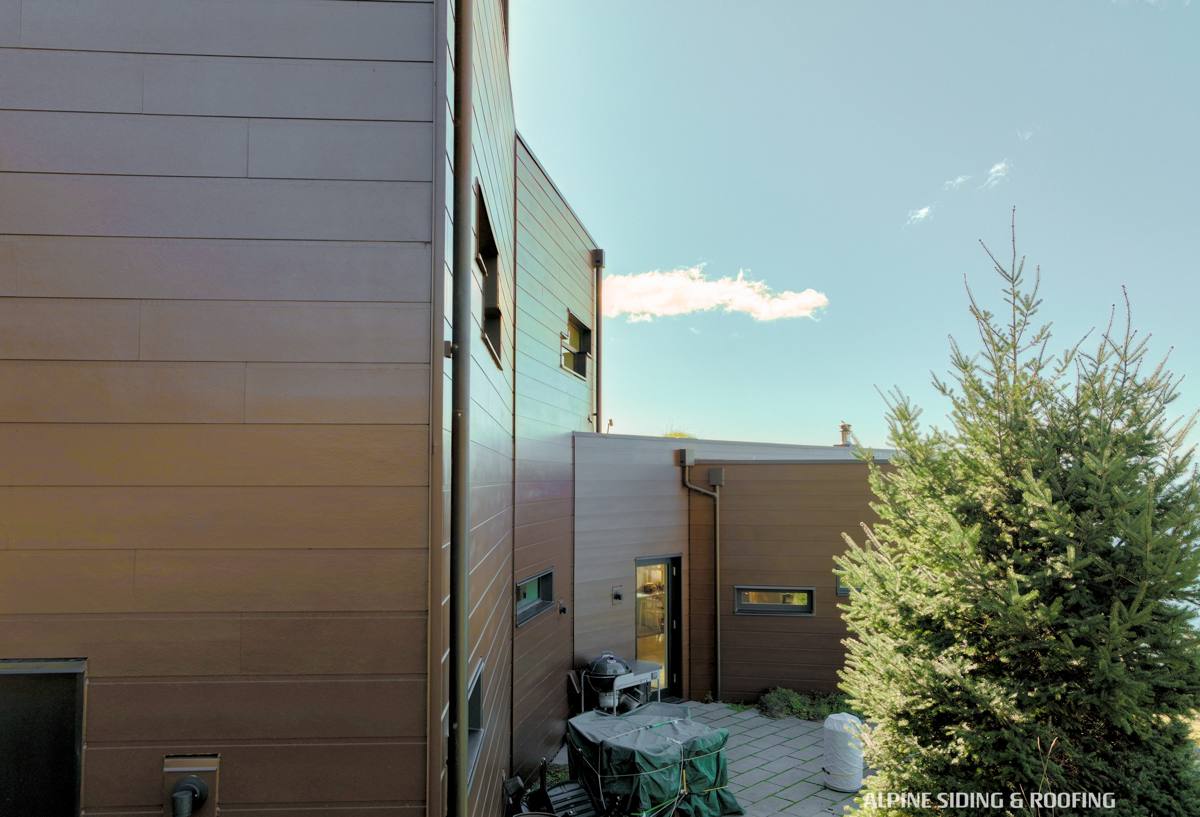
Signs a Blaine Home Needs Window Replacement
Windows rarely fail all at once. They give warning signs first, and catching them early usually means a simpler, cheaper fix than waiting until water has gotten into the wall framing.
- Fogging or a milky haze between the panes of a double-pane window — the seal has failed and the gas fill or dry air pocket is gone
- Visible moss, algae, or black staining on the sill, corners, or exterior trim
- Soft or spongy wood at the sill or lower frame corners when you press on it
- Drafts you can feel with a hand near the frame on a windy day
- Windows that are hard to open, close, or lock — frames can swell or warp from moisture cycling
- Paint that keeps peeling or bubbling around the same window no matter how often it's repainted
- Noticeably higher heating bills in winter with no other explanation
Any one of these on its own might just need attention. Several of them together, especially on windows facing the prevailing weather, usually means the window and possibly some of the surrounding wall material need to come out.
What a Correct Window Replacement Actually Involves
It's Not Just Swapping the Window
A lot of window problems in this region trace back to installation, not the window product itself. Dropping a new window into an old opening without addressing flashing and the water path around it just sets up the same failure to happen again in a few years. A correct job means the old window comes out, the opening gets inspected for hidden rot or moisture damage, and any compromised framing or sheathing gets repaired before anything new goes in.
Flashing and the Water Path
The single most important part of the job, especially with the wind-driven rain Blaine gets off the water, is how water is directed around and away from the window opening. That means correctly lapped flashing tape at the sill, jambs, and head, a sloped sill pan so any water that gets past the frame drains back out instead of pooling, and house wrap integration that keeps the whole assembly working as one water-shedding system rather than a collection of separate parts. Skipping or rushing this step is the number one reason windows fail early in coastal conditions.
Sealing and Insulation
Once the window is set, it needs to be shimmed square and plumb, fastened per the manufacturer's spec, and insulated around the frame with a low-expansion foam or backer rod and sealant — not stuffed with fiberglass that leaves air gaps. The exterior gets sealed with a quality sealant rated for this climate's temperature swings and moisture exposure, and the interior gets sealed and trimmed out cleanly.
Choosing the Right Window Materials for a Blaine Property
Frame material matters more here than in drier parts of the state, mostly because of how each material handles constant moisture and salt exposure over time.
| Material | How It Handles Salt Air & Moisture | Maintenance | Typical Lifespan |
|---|---|---|---|
| Vinyl | Won't corrode or rot; good baseline choice for coastal exposure | Low — occasional cleaning | 20–30 years |
| Fiberglass | Very stable in moisture and temperature swings, resists warping | Low | 30–40+ years |
| Wood-clad (vinyl or aluminum exterior) | Good if cladding and flashing are done correctly; failure point is usually a compromised seal letting moisture reach the wood core | Moderate — watch seal integrity | 20–30 years with good care |
| Bare aluminum | Prone to pitting and corrosion in salt air over time; poor insulator | Higher | Varies widely |
We don't push bare aluminum frames on homes this close to the water — it's not that aluminum is a bad product everywhere, it's that in a direct salt-air environment it's simply the wrong tool for the job, and we'd rather steer a homeowner toward something that will actually hold up. Vinyl and fiberglass are our default recommendations for most Blaine homes because they don't give salt air or moisture anything to work on.
Glazing Matters As Much As the Frame
For this climate, we generally recommend dual-pane windows with a Low-E coating and argon gas fill as the practical standard — it balances real-world energy performance with cost. Triple-pane is worth discussing for homes with direct, unshielded exposure to wind and weather off the water, or for rooms where noise from wind and traffic is a concern, though it comes at a higher cost and added weight that the frame and hardware need to be rated for.
Our Window Replacement Process
- On-site assessment — we look at every window being considered, check for hidden moisture or rot, and note which openings face the prevailing wind and rain
- Honest recommendation — we tell you which windows genuinely need replacement now, which can wait, and which just need resealing or minor repair
- Material and glazing selection — we walk through frame material, glazing, and grille or style options that match your home
- Removal and opening inspection — old windows come out carefully, and we check the framing and sheathing underneath before anything new goes in
- Correct flashing and sill pan installation — this is the step that actually determines whether the new window will hold up to Blaine weather
- Setting, sealing, and insulating — square, plumb, properly fastened, and sealed inside and out
- Interior and exterior trim — finished to match the rest of the home
- Final walkthrough — every window operates smoothly, locks properly, and gets a clear explanation of anything you should watch for
Why It Matters to Hire a Crew That Already Works in Blaine
Window installation instructions are written for average conditions. A crew that only occasionally works this close to the water can follow the manufacturer's instructions to the letter and still end up with a window that isn't sealed heavily enough for what this specific location will throw at it over the next twenty winters. A crew that regularly works Blaine and the surrounding Whatcom County coastline knows to flash more conservatively on wind-exposed elevations, knows which sealants and fasteners actually hold up to salt air over time, and recognizes the early signs of moss or moisture damage in surrounding siding and trim before they become bigger problems. That familiarity comes from doing the work here repeatedly, not from a manual.
Local crews are also more predictable to schedule around this region's weather patterns — window replacement is exterior work, and picking the right weather windows to open up a wall matters when winter rain can move in with little notice.
Cost Factors to Expect
Every home and window is different, so exact numbers depend on what we find during the assessment, but the main factors that move the price are consistent.
| Factor | Why It Affects Cost |
|---|---|
| Frame material | Vinyl is typically the most affordable; fiberglass and wood-clad cost more up front |
| Number of windows and access | Second-story or hard-to-access windows take more time and equipment |
| Hidden damage | Rotted framing or sheathing found during removal adds repair scope |
| Glazing package | Dual-pane Low-E vs. triple-pane changes both material and labor cost |
| Window size and style | Custom sizes, bay windows, or specialty shapes cost more than standard sizes |
We'd rather walk your home, look at what's actually going on with each window, and give you a real number than throw out a broad estimate that doesn't hold up once we're on site.
Maintaining New Windows in This Climate
Even a correctly installed window benefits from a little seasonal attention in a coastal climate like Blaine's. Rinsing salt residue off exterior frames and hardware a few times a year, especially after winter storms, keeps hardware and finishes working properly longer. Keeping gutters and downspouts clear prevents overflow from running down across window heads. And clearing moss or algae off sills and trim as soon as you notice it — before it gets a foothold — is a lot easier than dealing with it once it's established. None of this is difficult, but it's the kind of upkeep that makes the difference between a window that looks and performs well for decades and one that starts showing problems in year eight.
If you're noticing drafts, fogged glass, or moisture issues around your windows, or you'd just like an honest read on where things stand, we're happy to come take a look. Estimates are free and there's no pressure — fill out the form below and we'll get in touch to schedule a time that works.