 Ferndale
 Deck Repair in Semiahmoo: Built for Salt Air and Coastal Weather
A deck in the Semiahmoo area doesn't age the way a deck in a dry inland climate does. Homes along this stretch of Whatcom County coastline sit close to open water, which means salt-laden air moves across the property almost constantly. Add in the region's long, wet winters and the moss season that follows, and a deck here is under a kind of steady, low-grade attack that most manufacturers never designed their standard hardware or finishes to handle. We repair decks throughout the Semiahmoo area regularly, and the failure patterns we see are consistent enough that we can usually tell what's wrong before we even get a screwdriver out.
This page is specifically about deck repair for Semiahmoo homes — not a general deck-building overview. If your deck is structurally sound but showing wear, damage, or early rot, this is the service that gets it back to safe, solid, and good-looking without the cost of a full rebuild.
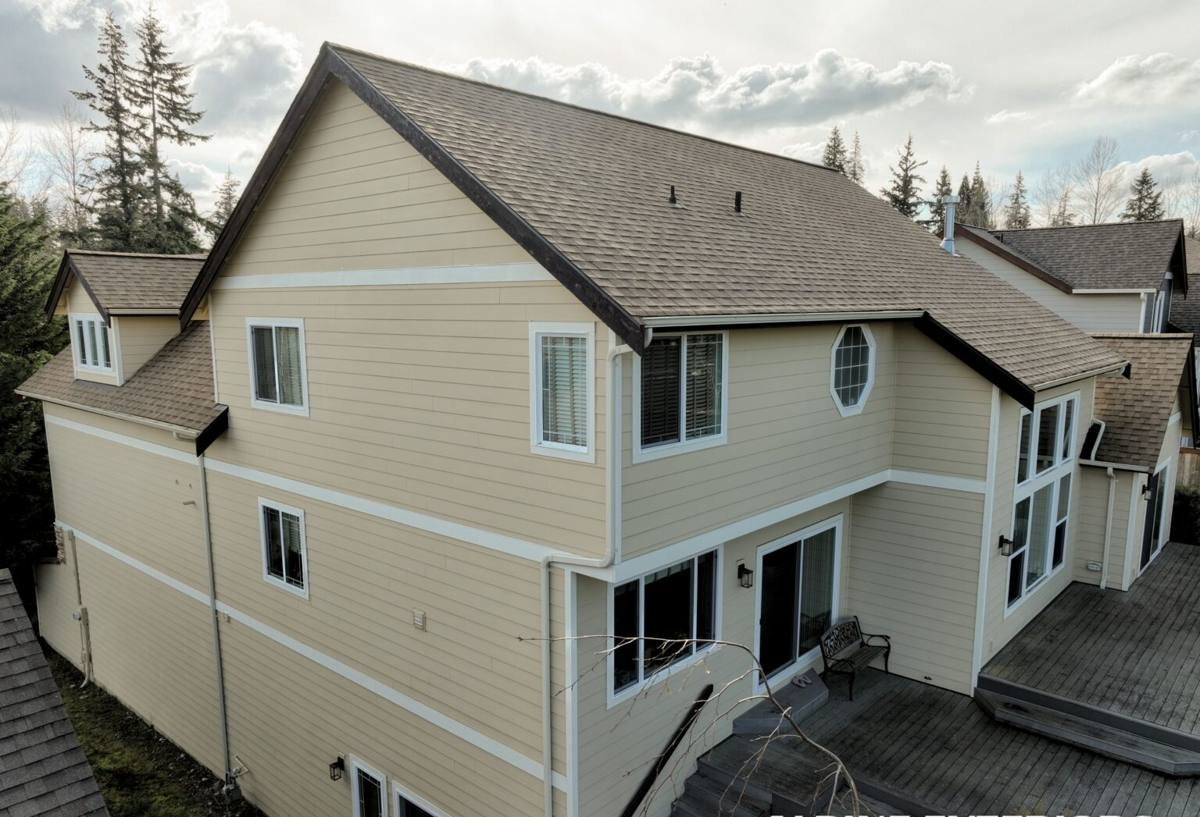
What Salt Air, Rain, and Moss Actually Do to a Semiahmoo Deck
Salt Air and Metal Fasteners
Airborne salt accelerates corrosion on anything metal — nails, screws, joist hangers, bolts, and railing hardware. Fasteners that would last decades in a drier inland yard can start rusting, streaking, and weakening within a handful of years this close to the water. Once a fastener corrodes, it loses holding strength long before it looks obviously bad, which is why a deck can feel "fine" right up until a board or railing section suddenly doesn't.
Standing Water and Hidden Rot
Whatcom County's rainy season means a lot of water hitting the deck surface, running between boards, and settling wherever drainage is even slightly restricted. The real damage almost never happens on the visible top of a board — it happens underneath, where boards meet joists, around post bases, and at the ledger board where the deck attaches to the house. That's the framing, and it's where rot does the most structural harm while staying the most hidden.
Moss, Algae, and a Slippery Surface
The long moss season here isn't just cosmetic. Moss and algae hold moisture against the wood surface, which speeds up decay, and a mossy deck surface gets genuinely slick underfoot — especially on stairs and ramps. A deck that looks "just a little green" is often further along in moisture damage than it appears.
Signs Your Deck Needs Repair (Not Just a Cleaning)
Some deck issues are cosmetic and solved with cleaning or refinishing. Others are structural and need to be addressed before the deck is safe to use through another wet season. Here's how to tell the difference before you call anyone:
- Boards that flex, bounce, or feel soft when you walk across them
- Any board you can push a screwdriver into more than a quarter inch
- Rust streaks running down from screws, nails, or metal connectors
- Railings or posts that wiggle when pushed — even slightly
- Gaps opening up where the deck meets the house (the ledger board area)
- Stair stringers that feel uneven, springy, or show visible cracking
- Persistent moss or dark staining that returns quickly after cleaning
- Fastener heads that have popped up above the board surface
- A musty smell coming from underneath the deck
Any one of these on its own might be a minor fix. Several together usually mean water has been getting into the structure for a while, and it's worth a proper inspection rather than a patch job.
Repair vs. Replace: How We Make the Call
Homeowners often assume any rot means a full rebuild, but that's not usually true. Most decks we're called out to in the Semiahmoo area can be repaired section by section — as long as the core framing is sound. The table below covers the main factors we weigh when we're on-site.
| Factor | Leans Toward Repair | Leans Toward Replacement |
|---|---|---|
| Framing condition | Joists and ledger board are solid, damage is localized | Rot has spread through multiple structural members |
| Age of deck | Under 15-20 years, built to a reasonable code standard | Original build predates current fastener and flashing standards |
| Damage pattern | Isolated boards, stairs, or railing sections | Widespread soft spots across the whole surface |
| Ledger attachment | Properly flashed and still tight to the house | Missing flashing, visible gaps, or water staining on siding above |
| Cost comparison | Repair cost is a fraction of full rebuild cost | Repair scope approaches 60-70% of replacement cost |
We'll always give you a straight answer on which side of that line your deck falls on, including what we find once boards come up — not just what's visible from the surface.
What a Correct Deck Repair Actually Involves
A repair that only replaces what's visible from above tends to fail again within a few years, especially in this climate. Doing it right means checking — and if necessary, addressing — every layer of the structure:
- Ledger board and flashing: the connection point to the house, checked for rot and proper water-shedding flashing behind the siding
- Joists and beams: probed for soft spots, especially at the ends and anywhere boards cross them
- Post bases and footings: checked for movement, rot at ground contact, and proper standoff from wet soil
- Decking boards: replaced individually where damaged, matched for consistent spacing and fastening
- Railings and stairs: tested for lateral movement, since these carry sudden load in a fall and are a common code and safety concern
- Fasteners and hardware: upgraded to corrosion-resistant options appropriate for a coastal environment, not just matched to whatever was there before
Skipping any of these steps just means the same failure shows up again in a different spot a few winters from now.
Our Repair Process, From Estimate to Finished Deck
- On-site assessment: we walk the full deck, probe suspect boards and framing, and check the ledger, posts, and stairs — not just the parts that look obviously bad
- Honest scope and estimate: you get a clear breakdown of what's repair-worthy, what needs replacing, and what it costs, with no pressure toward a bigger job than the deck actually needs
- Demo of damaged sections only: we remove what's compromised and leave sound material in place
- Structural repair first: framing, ledger flashing, and post bases get addressed before anything cosmetic
- Rebuild and refasten: new boards, railings, or stair components installed with fasteners and connectors chosen for salt-air exposure
- Final walkthrough: we check the deck for level, secure railings, and consistent spacing before calling it done
Materials and Fasteners We Use for Coastal Exposure
Not every fastener or wood treatment holds up the same way this close to the water. We select materials based on how they perform under salt exposure and constant moisture cycling, not just cost.
| Component | Standard Option | Coastal-Rated Option | Why It Matters Here |
|---|---|---|---|
| Fasteners | Galvanized steel | Stainless steel or ceramic-coated | Galvanized coatings can break down faster under sustained salt exposure |
| Joist hangers/connectors | Standard G90 galvanized | Heavy-duty coated or stainless | Hidden hardware failure is the most common cause of repeat repairs |
| Decking material | Standard pressure-treated lumber | Marine-grade treated lumber or composite | Better resistance to the freeze-thaw and moisture cycling common in wet winters |
| Ledger flashing | Basic aluminum flashing | Corrosion-resistant flashing with proper overlap | The ledger connection is the single most common source of hidden rot |
None of these upgrades are exotic or overpriced — they're standard practice for anyone who repairs decks in a salt-air environment regularly. It's a small cost difference at repair time that avoids paying for the same repair twice.
Keeping a Repaired Deck Healthy Through Whatcom County Winters
A properly done repair still needs some seasonal attention to get its full lifespan out of it. This is especially true given how long the wet, moss-friendly season runs here.
- Sweep debris out from between boards regularly — trapped leaves and needles hold moisture against the wood
- Clean moss and algae off the surface before it builds up, particularly on stairs and shaded sections
- Check that gaps between boards remain clear for drainage and haven't swelled shut
- Look underneath once or twice a year for standing water or new soft spots
- Keep gutters and downspouts near the deck clear so runoff isn't dumping directly onto it
- Re-inspect railings and stair connections annually — these take the most repeated stress
Why Hire a Crew That Already Works in Semiahmoo
Deck repair looks straightforward until the specifics of a given site come into play — wind exposure, how close the structure sits to salt water, drainage on sloped waterfront lots, and how the local climate has already aged the materials that were used originally. A crew that works this area regularly isn't guessing at any of that. We know which fastener and material choices hold up here and which ones we've had to go back and redo for other contractors' past work. That local pattern recognition is the difference between a repair that lasts and one that's back on the schedule in three years.
We're based out of Ferndale and cover the surrounding Whatcom County communities, including Semiahmoo, as a regular part of our service area — not as an occasional out-of-town job. That means straightforward scheduling, a crew that shows up knowing the local conditions, and a company that's still around if you have a question about the repair a few years down the line.
If your deck is showing any of the warning signs above, or you just want an honest read on its condition, we're happy to come take a look. The estimate is free, there's no pressure to do more than the deck actually needs, and you'll get a straight answer about what's repair and what isn't. Use the form below to get started.