 Ferndale
 Deck Replacement Built for Kendall's Climate
Kendall homes sit in a stretch of Whatcom County that puts real wear on anything built to stand outside year-round, and a deck takes more of that punishment than almost any other structure on the property. Salt-tinged air moving through this part of the county works on exposed fasteners and hardware over time. Wind-driven rain doesn't just fall straight down onto a deck surface, it gets pushed sideways and up under railings and between boards that weren't built to shed it. And a long, damp moss season settles into shaded and north-facing decks for months at a stretch, working into any surface with even a little porosity. A deck that's ten, fifteen, or twenty years old in Kendall has usually absorbed all three, whether or not it shows on the surface yet.
Replacing a deck is different from building one new. There's an existing structure to evaluate honestly, old framing and connections that may or may not be safe to build on top of, and decisions about how much of what's there is actually worth keeping. This page covers what a full deck replacement looks like for a Kendall home specifically — how to tell a deck has reached the end of its service life, what a correct replacement involves, and how our process works from first look to finished deck.
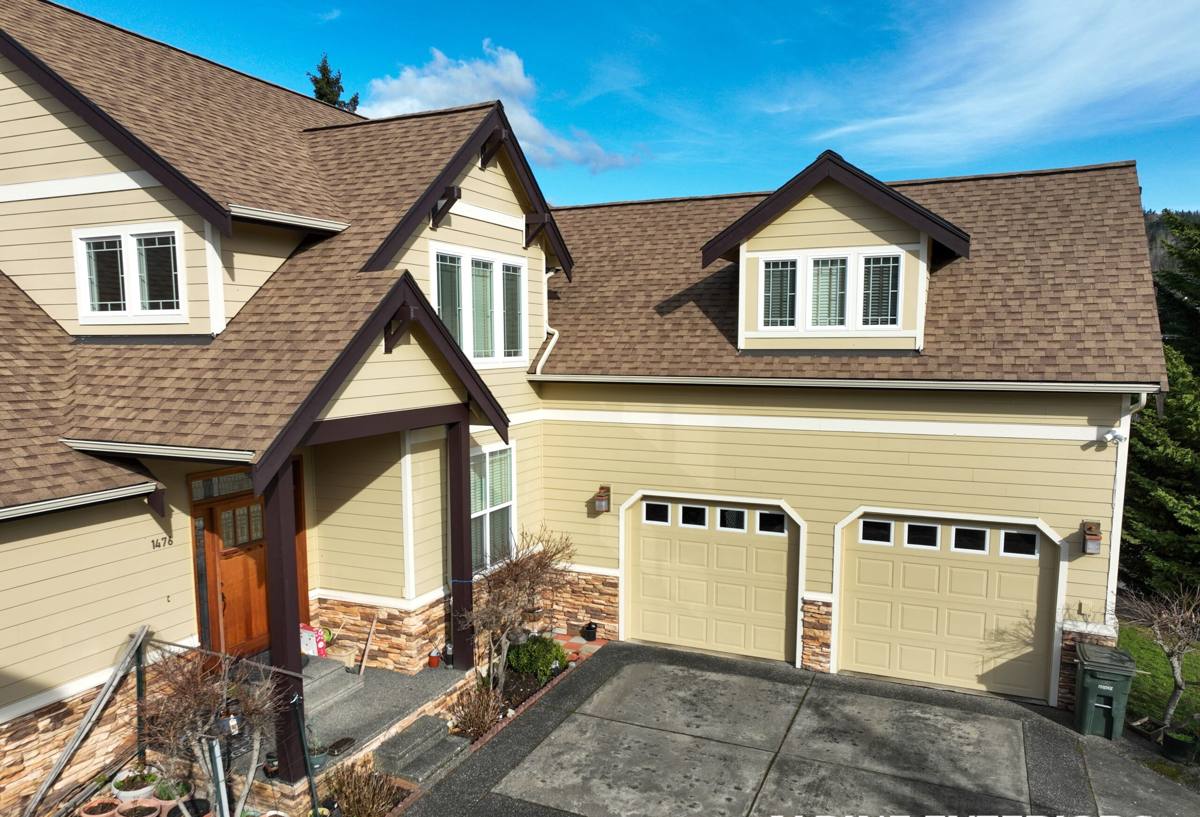
Signs a Kendall Deck Needs Replacing, Not Just Repairing
Soft, Spongy, or Splintering Boards
Decking that flexes or feels soft underfoot has usually taken on moisture it can't shed anymore, and that's a material-level failure, not a cosmetic one. Spot-replacing a few boards can buy time if the framing underneath is still sound, but once it's showing up across most of the deck, that's a sign the whole surface has reached the end of what it can handle in this climate.
Ledger Board or Post Rot
The ledger board — where the deck attaches to the house — and the posts that carry the deck's weight down to the footings are the two connection points that matter most structurally. Rot, soft wood, or rust staining at either one isn't something to patch around. If the ledger connection has been compromised by water getting behind it over the years, that's usually the deciding factor between repair and full replacement.
Widespread Fastener Corrosion
Rust streaking down from screw heads or nail holes across a large portion of the deck means the fasteners holding it together have been corroding for a while, which happens faster here than it would further inland. Once corrosion has set in broadly rather than at a few isolated points, replacing individual fasteners doesn't restore the holding strength the deck needs.
What Kendall's Climate Does to an Aging Deck
Salt-Tinged Air and Hardware
Salt-laden air moving through this part of Whatcom County accelerates corrosion in any exposed metal on a deck — fasteners, post hardware, railing brackets, joist hangers. A fastener that's been corroding for years loses holding strength well before it looks obviously bad, which is part of why a deck that "looks fine" from a few feet away can still be structurally past its service life underneath.
Wind-Driven Rain
Storms here don't just drop rain straight down. Wind pushes it sideways and up under railings, into ledger connections, and between decking boards that have lost their original gapping to swelling and wear. An older deck built without today's flashing and drainage standards is especially exposed to this pattern, since a lot of decks from ten or more years ago weren't built with wind-driven moisture in mind the way current best practice is.
A Moss Season That Runs Most of the Year
Mild temperatures and near-constant dampness give moss a long growing season here, and horizontal deck surfaces are some of the first places it takes hold. On an aging deck, moss doesn't just look bad — it holds moisture against the boards and framing underneath, and by the time it's visibly established, it's usually been doing that work for a while already.
What a Correct Deck Replacement Involves
A full replacement is more than pulling up old boards and screwing down new ones. Done right, it's a structural project from the ground up, and skipping steps at any stage is where a new-looking deck ends up with the same problems as the one it replaced, just a few years further out.
Tear-Out and Structural Evaluation
The old deck comes off down to the footings and posts, and everything underneath gets a real inspection — footing condition, post and beam soundness, and whether the ledger connection to the house has any hidden water damage behind the siding. This is the point where a homeowner finds out whether the problem was cosmetic or ran deeper into the structure.
Ledger Board and Flashing
Where the deck ties into the house is the single most common place an older deck let water in, so on a replacement that connection gets rebuilt correctly — proper ledger flashing integrated with the house's weather-resistive barrier, not just caulked and bolted the way a lot of older decks were built.
Framing and Fasteners
New framing gets sized correctly for the span and load, using material rated for sustained moisture exposure, with corrosion-resistant fasteners throughout rather than standard hardware that starts corroding in this air within a few seasons. Joist spacing gets matched to whatever decking product is going on top rather than reused from the old layout by default.
Decking Surface and Drainage
Board gapping, ventilation underneath, and grading around the deck all get built to let wind-driven rain and standing moisture actually drain and dry out between storms, instead of sitting against the structure the way it often did on an older build.
Choosing Decking Material for a Kendall Replacement
Since you're starting fresh with the framing anyway, a replacement is a natural point to reconsider decking material, especially if the old material was part of why the deck failed early. The main options homeowners weigh are wood, capped composite, and cellular PVC.
| Material | Moisture & Salt-Air Performance | Moss Resistance | Ongoing Upkeep | Relative Cost |
|---|---|---|---|---|
| Cellular PVC | Excellent — no wood fiber to absorb moisture | Strong, smooth non-porous surface | Occasional washing | Higher upfront |
| Capped composite | Strong — cap layer resists moisture and staining | Good on most product lines | Occasional washing | Mid to higher |
| Uncapped composite | Moderate — some absorption at exposed fiber | Fair; more prone to buildup over time | Periodic cleaning | Mid-range |
| Cedar | Moderate — natural resistance, needs regular sealing | Fair when sealed and maintained | Regular oiling or sealing | Mid-range |
| Pressure-treated wood | Weak against sustained salt exposure over years | Poor without regular treatment | Regular sealing or staining | Lowest upfront |
We'll lay out the honest trade-offs for your specific deck rather than steering everyone toward the priciest option. A shaded, north-facing deck that struggled with moss under wood decking is usually a strong candidate for a capped composite or PVC upgrade; a sunny, well-drained deck can still do fine in wood if you're prepared for the maintenance that comes with it.
Cost Factors in a Kendall Deck Replacement
Every replacement is different, and we won't quote a number without seeing the site, but the factors that actually move the cost are consistent from job to job. Worth knowing before you start pricing:
- Deck size and footprint — square footage is still the biggest single driver of material and labor cost
- Decking material chosen — pressure-treated wood sits at the low end, cellular PVC and premium composite lines at the higher end
- Condition of the substructure — if posts, beams, or footings need replacing along with the surface, that adds real cost beyond a straightforward surface swap
- Ledger and flashing work — a ledger connection with hidden water damage behind the siding takes more time to fix correctly than one that's sound
- Railing style and stairs — code-compliant railings, especially on elevated decks, and any stair runs add material and labor
- Tear-out and disposal — removing and hauling away the old deck is part of the job, not an afterthought line item
- Permitting — most deck replacements that involve structural work require a permit, and that process adds a modest cost and lead time
As a broad range, a straightforward like-for-like replacement on a modest deck typically runs several thousand dollars, while a larger deck, structural framing work, or premium decking material can push well beyond that. We'll walk your specific deck and give you real numbers rather than a generic estimate.
How Our Replacement Process Works
- Site visit and structural assessment: We look at the existing deck, the ledger connection, posts, footings, and framing to find out honestly how much of it, if any, is sound enough to keep.
- Material and design conversation: We talk through decking material, railing style, and layout changes you might want, weighed against budget and how the space actually gets used.
- Permitting: We handle the permit process through the appropriate jurisdiction as part of the job, rather than leaving it for you to sort out.
- Tear-out: The old deck comes off and gets hauled away, and we take a second look at anything the demo reveals that wasn't visible from the surface.
- Framing and structural work: New or repaired framing goes in first, sized and fastened for what this site actually sees in terms of moisture and wind exposure.
- Decking, railing, and stairs: The surface material, railings, and any stairs go in following the sequence that gets drainage and fastening right the first time.
- Final walkthrough: We cover what your specific new decking material actually needs going forward, which for most modern materials is minimal but not nothing.
What Your New Deck Still Needs From You
Even a correctly built replacement deck needs some routine attention in this climate to get its full lifespan out of the investment. A short list worth keeping in mind:
- Rinse or wash the deck surface periodically to clear salt residue and organic buildup before it works into the material
- Keep gaps between boards clear of leaves and debris so water and air can move through the way the design intends
- Check railing posts and hardware once a year for early corrosion or loosening, especially heading into the wet season
- Trim back branches or plants that hold moisture against the deck or block sun and airflow across the surface
- Have any soft framing, standing water, or new staining checked right away rather than waiting — those are structural signals, not cosmetic ones
Why Hiring a Crew That Already Works Kendall Matters
A contractor who mostly works decks elsewhere can still do a competent job, but a Kendall replacement has variables that come up more often here than in a lot of other places — corrosion-grade fastener requirements from sustained salt exposure, ledger and flashing details that have to account for wind-driven rain, and moss pressure that runs longer than a drier climate would produce. Working this area regularly means we're not guessing at those requirements on your project. We've seen which decking materials and fastener grades actually hold up to Kendall's specific combination of salt air, driving rain, and moss, and which details are worth the extra time rather than an upsell.
If your deck is showing its age and you want a straight read on whether it needs repair or a full replacement, we're glad to take a look and walk you through the options plainly. Reach out below for a free, no-pressure estimate.