 Ferndale
 Why Windows Take a Beating in Lummi Nation's Marine Climate
Homes in Lummi Nation sit close to Bellingham Bay and the Strait of Georgia, which means windows here deal with a different set of stresses than a window installed twenty miles inland in Whatcom County. Salt-laden air, wind-driven rain coming off the water, and a moss season that can stretch for most of the year all work on window frames, seals, and hardware in ways that shorten the useful life of a poorly chosen or poorly installed window. Understanding those stresses is the first step to picking windows that actually hold up here instead of failing early.
Salt Air and Metal Components
Air moving off the water carries fine salt particulate that settles on exterior surfaces. On windows, that means hardware, hinges, balance systems, and any exposed metal fasteners are exposed to a slow corrosive process that inland homes simply don't deal with. Cheaper hardware finishes can pit and corrode years before the glass or frame shows any wear, which is one reason we pay close attention to hardware quality on every window we spec for a waterfront or near-waterfront property.
Driving Rain and Water Management
Storms coming across the Strait don't just bring rain — they bring wind-driven rain that gets pushed sideways into wall assemblies and window openings under real pressure. A window that would perform fine on a calm, sheltered lot inland can leak here if the flashing, sill pan, and sealant details aren't done correctly. Most of the water damage we find around older windows in this area didn't come from bad glass — it came from water finding a path around the frame during a wind event.
The Long Moss and Moisture Season
Whatcom County's wet season runs long, and moss doesn't just grow on roofs — it takes hold in window sills, tracks, and any spot where organic debris and moisture sit undisturbed. Constant dampness around a window frame accelerates rot in wood components and can trap moisture against seals, shortening their service life. Windows here need details that shed water quickly and dry out fast, not designs that hold moisture against the frame.
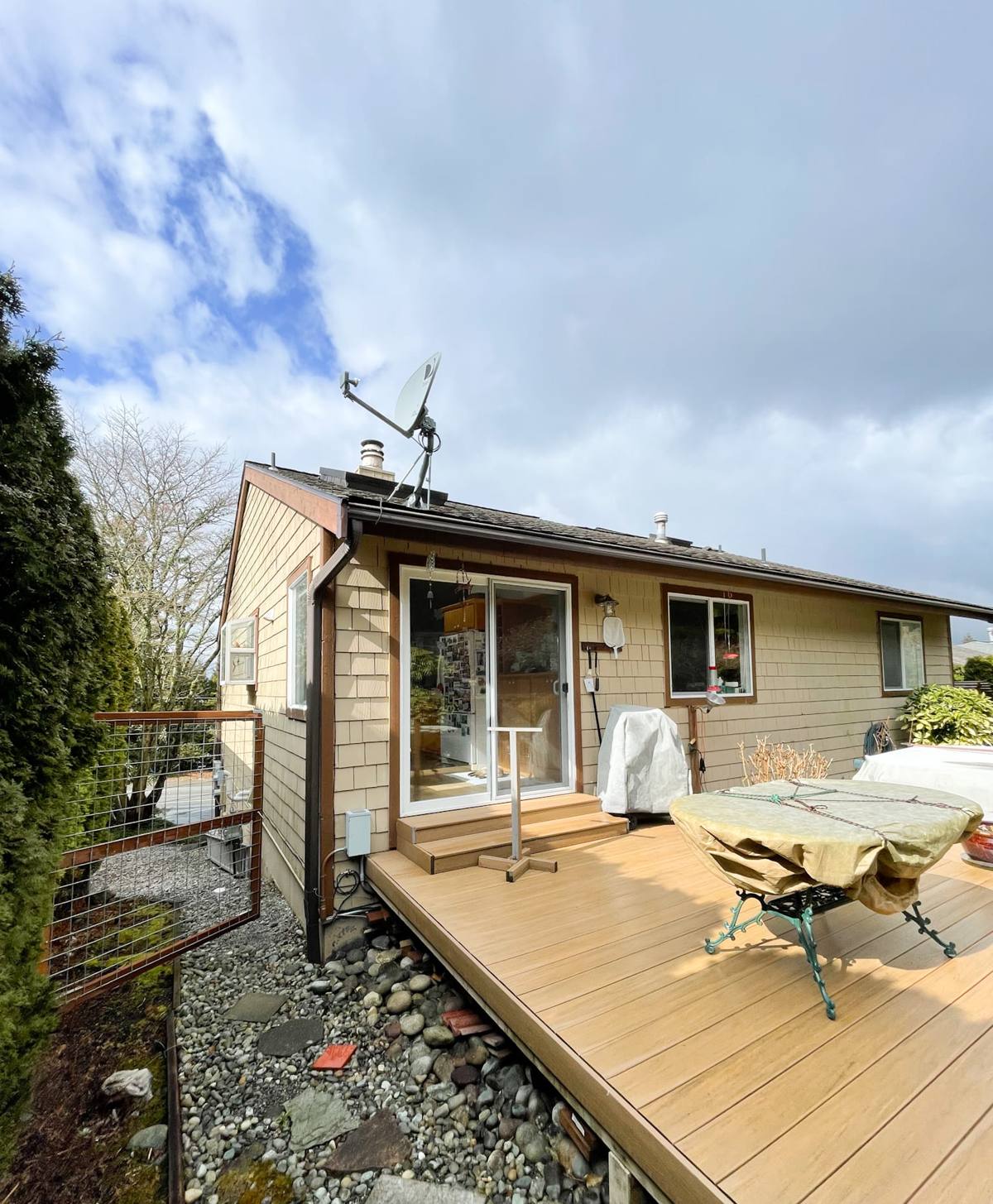
What "Energy-Efficient" Actually Means on the Water
Energy-efficient window shopping often gets reduced to a single number, but a window that's efficient on paper isn't automatically the right choice for a marine-exposed home. A few factors matter more here than the marketing brochures usually explain.
U-Factor and Solar Heat Gain
U-factor measures how well a window resists heat loss — the lower the number, the better it insulates, which matters through Whatcom County's long, damp winters. Solar heat gain coefficient measures how much solar heat passes through the glass. Because this area doesn't get the intense summer sun that drives cooling costs elsewhere, we typically prioritize a strong U-factor and good air-tightness over an aggressive solar-control coating, though orientation and how much direct sun a given elevation gets still factor into the recommendation.
Air Leakage and Condensation Control
A tight-sealing window does two jobs at once: it keeps conditioned air from escaping, and it reduces the cold interior glass surface that causes condensation. Condensation on interior glass in a humid coastal climate isn't just an annoyance — over years it can feed mold growth on sills and trim. A well-sealed, properly insulated frame keeps the interior glass surface warmer, which cuts down on that condensation significantly.
Choosing the Right Frame Material for Salt Air Exposure
Frame material has more impact on long-term performance near the water than most homeowners expect. We evaluate frame options honestly, including the trade-offs, rather than pushing whatever has the best margin.
| Frame Material | Salt Air / Moisture Performance | Maintenance | Typical Lifespan Here |
|---|---|---|---|
| Vinyl | Won't corrode or rot; performs well in salt air with quality hardware | Low — occasional cleaning | 20-30 years |
| Fiberglass | Excellent — very stable, resists moisture and temperature swings | Low | 30+ years |
| Aluminum-clad wood | Cladding resists weather, but seams and cut edges need good detailing near salt exposure | Moderate — cladding needs periodic inspection | 20-30 years with maintenance |
| Bare wood | Highest maintenance burden in this climate; prone to rot if finish isn't kept up | High — refinishing on a regular cycle | Variable, heavily maintenance-dependent |
We're not going to tell a homeowner that any of these materials is a bad product — each has a legitimate place. Our standard is matching the material to the exposure: a window on a sheltered, protected elevation has more flexibility than one facing open water and prevailing wind.
What a Correct Window Installation Actually Involves
The window unit itself is only part of the job. In a climate this wet, the installation details around the window determine whether it performs for decades or causes a hidden moisture problem in the wall.
Flashing and Sill Pans
Every window opening needs a sloped sill pan and properly lapped flashing so that any water that gets past the exterior trim drains back out instead of soaking into the framing. This is invisible once the job is done, which is exactly why it's the step that gets skipped on rushed installations — and exactly why we don't skip it.
Sealants and Insulation
The gap between the window frame and the rough opening needs to be insulated and air-sealed correctly, not just stuffed with whatever's on hand. We also make sure exterior sealant is compatible with your siding material and rated for the temperature swings and UV exposure of this region, since the wrong sealant can fail years before the window itself would.
Cost Factors to Expect
We don't publish blanket per-window pricing because the honest answer is "it depends," but these are the real factors that move the number up or down on a Lummi Nation project:
- Window size and configuration (single-hung, casement, slider, or larger picture units)
- Frame material selected (vinyl, fiberglass, or clad wood, as outlined above)
- Glass package — standard double-pane low-E versus upgraded triple-pane or additional coatings
- Number of windows being replaced in the same project (per-unit costs typically drop with volume)
- Condition of the existing opening — if there's hidden rot or water damage to repair before the new window goes in, that adds labor and material
- Access and site conditions, including elevation and any extra staging required
We give a firm, itemized quote before any work starts, so there are no surprise line items once the job is underway.
Our Process From Estimate to Final Walkthrough
Every project follows the same sequence, whether it's one window or a full-home replacement:
- On-site assessment of existing windows, framing condition, and exposure on each elevation
- Product recommendation based on that specific home's exposure, not a one-size-fits-all package
- Written, itemized estimate with no vague allowances
- Careful removal of old units, checking framing for hidden moisture damage before anything new goes in
- Correct flashing, sill pan, insulation, and sealant work at every opening
- Final walkthrough to confirm operation, seal, and finish on every window installed
Here's what a correct installation should give you, and what's reasonable to expect from any crew doing this work:
- Windows that open, close, and lock smoothly with no binding
- No visible gaps in exterior trim or sealant
- Clean interior finish work with no drafts felt around the frame
- Job site left clean, with old windows and debris hauled away
- A clear explanation of any workmanship warranty and how it's honored
Signs Your Windows Are Already Costing You Money
Homeowners often live with failing windows longer than they realize because the decline is gradual. A few signs worth acting on sooner rather than later:
- Fog or moisture between panes of double- or triple-pane glass — that's a failed seal, and the insulating gas has escaped
- Frames that have swollen, stick, or won't latch fully, often from moisture absorption
- Visible corrosion or pitting on hardware and hinges
- Noticeable draft near the frame on a windy day
- Soft or discolored trim or sill material, which can signal water getting into the wall assembly
Any one of these is worth having looked at before it turns into a bigger repair.
Why Hiring a Crew That Already Works in Lummi Nation Matters
A contractor who mostly works inland, sheltered neighborhoods can make perfectly reasonable choices that still underperform on a home exposed to open water and prevailing wind. Knowing which elevations in this area typically take the brunt of driving rain, which hardware finishes actually hold up against salt air over years and not just months, and how to detail flashing so it survives a real coastal storm season isn't something you learn from a spec sheet — it's something you learn by doing the work here repeatedly. We also understand that homes in Lummi Nation may fall under different permitting or review processes than a standard Whatcom County address, and we coordinate with whatever process applies rather than assuming one set of rules fits every property in the area.
If your windows are original to the house, showing fogging or drafts, or you're planning ahead of a larger exterior project, we're happy to take a look and walk you through honest options for your specific home and exposure. Request a free, no-pressure estimate using the form below, and we'll give you a straight answer on what your windows need.