 Ferndale
 Siding Repair Built for Fairhaven's Coastal Climate
Fairhaven sits close enough to the water that its homes take on a different kind of weather than siding a few miles inland. Salt-laden air off the bay, driving rain that comes in sideways during winter storms, and a long, damp moss season that can stretch from fall through spring all put steady pressure on exterior siding. None of that is dramatic on its own, but it adds up year after year, and it shows up first in the details: a soft spot near a butt joint, a streak of green creeping across a north-facing wall, corrosion around a fastener that was never quite sealed right.
We do siding repair work throughout Ferndale and the surrounding Whatcom County communities, and Fairhaven's coastal exposure means the repairs we see there tend to follow a pattern. Understanding that pattern is the difference between a repair that actually holds up and one that fails again in two winters.
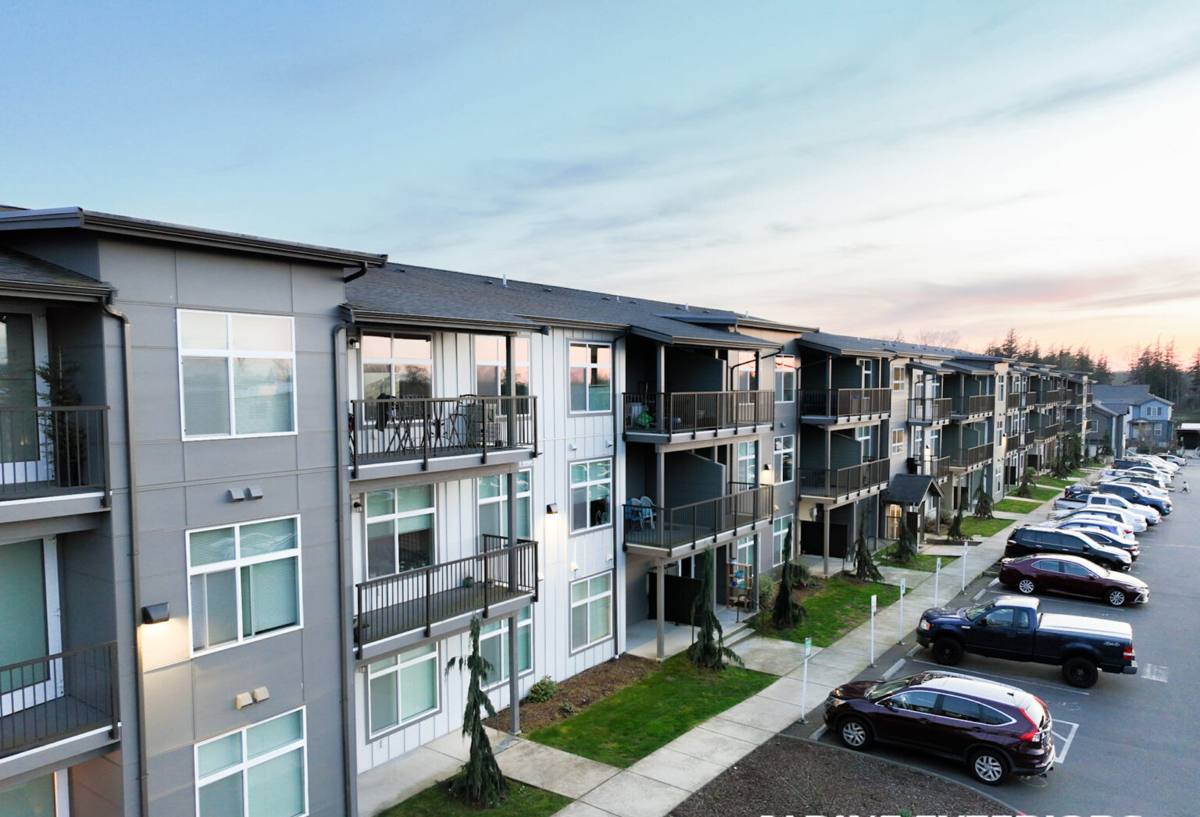
Common Siding Repair Issues We See in Fairhaven
Moisture Intrusion at Joints and Penetrations
Wind-driven rain doesn't need much of an opening to work its way behind siding. Butt joints, corner trim, and anywhere siding meets a window, door, or vent are the most common failure points. Once water gets behind the cladding, it doesn't dry out quickly in a marine climate — it sits against sheathing and framing, and that's when real damage starts.
Moss and Algae Buildup
The same damp, shaded conditions that make Whatcom County green also make it hospitable to moss and algae on siding, especially on north- and west-facing walls that stay wet longest. Left alone, moss holds moisture directly against the siding surface far longer than open air would, which accelerates whatever damage is already starting underneath.
Fastener and Trim Corrosion
Salt air is hard on metal. Nail heads, flashing, and trim fasteners that aren't corrosion-resistant can start failing years before the siding itself would otherwise need attention. A single corroded fastener seems minor, but it's often the first crack in an otherwise sound wall.
Impact and Age-Related Damage
Not every repair is climate-driven. Cracked boards from impact, settling-related gaps, and simply aged material that's outlived its finish all show up too, and they get worse faster in a wet climate than they would somewhere dry.
What a Correct Siding Repair Actually Involves
A repair that's done right isn't just about covering up a visible problem. It starts with figuring out why that problem happened in the first place — otherwise you're patching a symptom and the underlying cause is still there, working on the wall.
| Step | What It Involves | Why It Matters |
|---|---|---|
| Diagnosis | Locating the actual moisture or damage source, not just the visible symptom | Patching over hidden rot or an unsealed penetration guarantees a repeat repair |
| Removal | Pulling back damaged material far enough to expose sound framing and sheathing | Confirms how far the damage actually traveled behind the siding |
| Substrate check | Inspecting sheathing and framing for rot, and replacing anything compromised | New siding over damaged substrate fails again quickly |
| Water-resistive barrier | Repairing or restoring the weather barrier and flashing before new siding goes on | This layer, not the siding itself, is the primary defense against intrusion |
| Matching material | Sourcing siding that matches profile, texture, and finish as closely as possible | Mismatched repairs are visually obvious and can create new water paths at the seam |
| Sealing and finish | Correct fastener placement, joint treatment, and touch-up finishing | Poor fastening and unsealed joints are how the original problem likely started |
Repair or Replace? How to Tell the Difference
Not every damaged section needs a full re-side, and not every problem is a simple patch. The honest answer depends on how far the damage has spread and how old the existing siding is.
- Localized damage on newer siding — usually a straightforward repair, especially if the material is still available or closely matchable
- Damage clustered in one area with sound siding elsewhere — often a targeted repair plus a hard look at what caused it, like a flashing or drainage issue
- Repeated failures in the same spots — a sign the original installation had a systemic flaw, which sometimes means replacing a wider section rather than patching it again
- Widespread moisture damage or siding nearing the end of its service life — this is where repair stops making financial sense and replacement becomes the honest recommendation
We'll tell you plainly which category your siding falls into. There's no reason to sell a full re-side when a proper repair will hold, and no reason to keep patching a wall that's telling you it's done.
Why We Repair (and Install) James Hardie Fiber Cement Only
When we're matching material for a repair, we're matching it to James Hardie fiber cement — it's the only siding product we install, on repairs and full replacements alike. That's a deliberate standard, not a default. Fiber cement doesn't absorb water the way wood-based products can, it's non-combustible, and it holds paint and factory finish far longer than most alternatives, which matters directly in a climate like Whatcom County's where siding stays damp for long stretches of the year.
James Hardie also builds its HZ product line around climate zones rather than a one-size-fits-all formulation, engineering the version used in the Pacific Northwest for wetter, more humid conditions specifically. That's relevant on a repair job: patching in generic material that wasn't engineered for this climate can leave a wall with mismatched performance even if the color matches. The ColorPlus factory finish also matters for repairs — it's baked on and warranted, so a well-matched patch keeps its color and doesn't visibly weather at a different rate than the surrounding siding.
Our Fairhaven Siding Repair Process
- On-site inspection. We look at the damaged area and the surrounding siding, not just the spot you called about — hidden problems rarely stay contained to one board.
- Honest diagnosis. We explain what's actually happening, why, and whether it's a repair or a sign of a bigger issue, before any work starts.
- Written estimate. A clear scope and price, with no pressure to upsell a full re-side if a repair is genuinely the right call.
- Removal and substrate check. Damaged siding comes off, sheathing and framing get inspected, and anything compromised gets addressed before new material goes on.
- Weather barrier and flashing correction. If the original moisture barrier or flashing was the actual cause, we fix that layer — not just the siding sitting on top of it.
- Matched Hardie installation. New fiber cement is installed to manufacturer spec, with corrosion-resistant fasteners and correct joint treatment.
- Final walkthrough. We show you the finished work and explain what to keep an eye on going forward.
Signs Your Fairhaven Home Needs a Siding Repair Inspection
- Soft or spongy areas when you press on the siding, especially near the bottom edge or joints
- Visible moss, algae, or persistent dark streaking that doesn't wash off
- Paint or finish that's bubbling, peeling, or discolored in patches rather than evenly across the wall
- Rust staining running down from a nail head, corner trim, or flashing
- Gaps or separation at butt joints, corners, or where siding meets windows and doors
- A musty smell or visible staining on interior walls that back up to exterior siding
- Cracked or warped boards, particularly after a storm with heavy wind-driven rain
What Affects Siding Repair Cost
Repair costs vary enough with scope and cause that a number without context isn't useful. What actually drives the price is how far the problem extends and what's underneath.
| Factor | Impact on Scope |
|---|---|
| Extent of moisture damage | Surface-only damage is a much smaller job than damage that reached the sheathing or framing |
| Accessibility | Second-story or hard-to-reach areas add time and equipment cost |
| Material matching | Older or discontinued profiles can be harder to match than current Hardie lines |
| Underlying cause | A repair that also requires flashing or weather barrier correction takes more labor than a like-for-like board swap |
| Number of affected areas | Several small localized repairs across a home cost differently than one concentrated area |
We give a written estimate after seeing the actual damage in person — general ranges quoted over the phone rarely hold up once a wall is opened, and we'd rather be accurate than fast.
Why Hiring a Crew That Already Works in Fairhaven Matters
Coastal Whatcom County siding behaves differently than siding fifty miles inland, and a crew that works this area regularly recognizes the pattern faster — salt air corrosion at fasteners, moss buildup in the shaded, damp spots that stay wet longest, and wind-driven rain intrusion at trim and penetrations that a drier climate wouldn't stress the same way. That familiarity shortens the diagnosis step and reduces the chance of a repair that looks fine going in but fails again in a season or two because the real cause wasn't addressed.
It also means showing up prepared for the conditions rather than treating every job the same regardless of climate. A repair crew used to dry-climate work might reasonably underestimate how long a wall stays wet here, or how much moss and algae growth matters beyond appearance. Local, consistent experience in Ferndale and neighboring communities like Fairhaven closes that gap.
If you're seeing early signs of siding trouble in Fairhaven — moss buildup, a soft spot, staining, or damage from a recent storm — we're glad to take a look and give you a straight answer on what it needs. Reach out for a free, no-pressure estimate using the form below.