 Ferndale
 Window Installation Built for Lummi Nation's Marine Climate
Homes in and around Lummi Nation sit close to Bellingham Bay and the open water of the Salish Sea, which means windows here work harder than windows almost anywhere else in Whatcom County. Salt-laden air, wind-driven rain that comes in sideways off the water, and a moss season that can stretch from October into May all put steady pressure on window frames, sills, and the flashing details most homeowners never think about until something fails. A window that's rated fine for a dry inland climate can still leak, fog, or rot out in a few years if it's installed the way a crew installs windows in Spokane or Sacramento. We install windows the way this specific climate demands, because we work this area every week.
This page covers window installation specifically for Lummi Nation properties — what the local conditions do to windows over time, what a correct installation actually involves, how our process works from estimate to cleanup, and why hiring a crew that already knows this shoreline matters more here than it would inland.
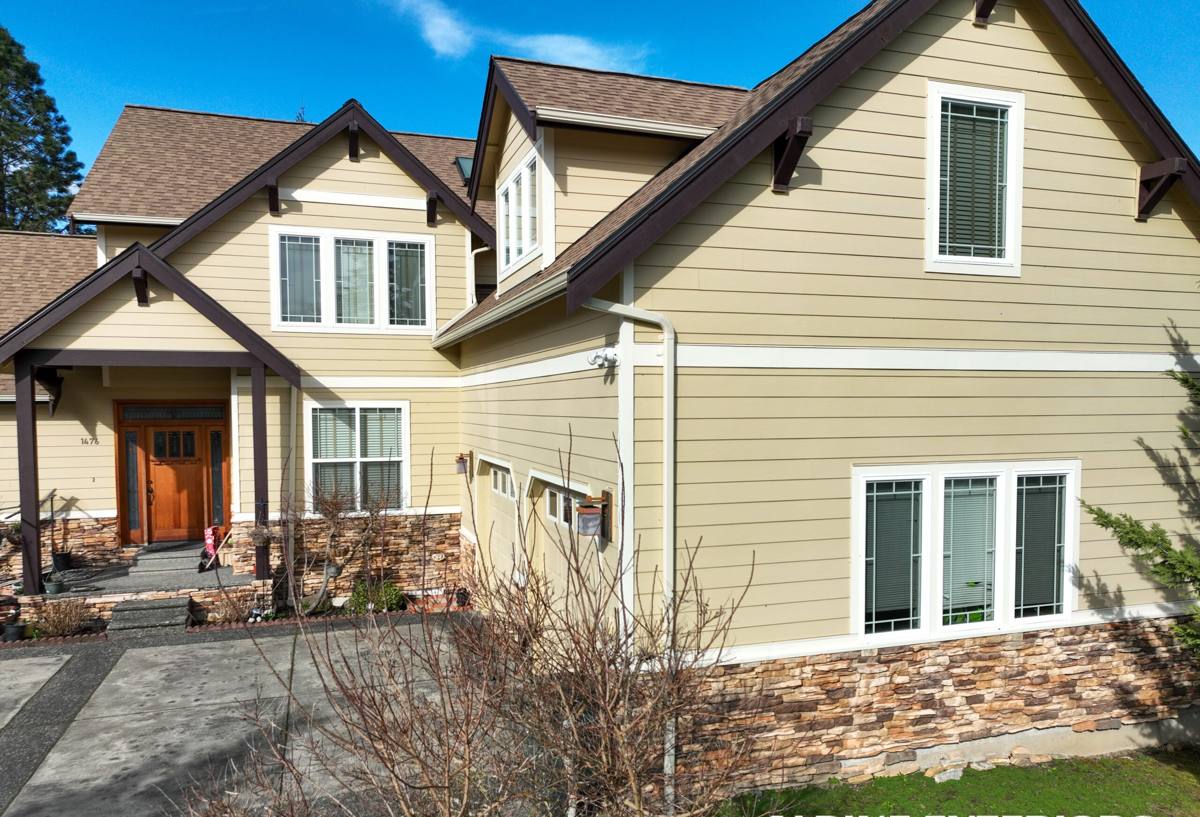
What Salt Air, Rain, and Moss Actually Do to Windows
Salt Air and Metal Fatigue
Airborne salt is corrosive to exposed metal — window hardware, aluminum cladding, screen frames, and especially uncoated or poorly coated fasteners. Over years, salt exposure can pit hardware, seize locks and cranks, and accelerate corrosion on any metal component that wasn't specified for a marine environment. It's a slow process, which is exactly why it gets missed: a window can look fine for five or six years and then start failing all at once.
Wind-Driven Rain and Water Intrusion
Ferndale and the surrounding waterfront area get a lot of rain that doesn't fall straight down — it's pushed sideways by wind off the water. That matters enormously for window installation, because wind-driven rain finds any gap in flashing, any short bead of sealant, or any sill pan that wasn't sloped correctly and drives water behind the siding. Most window failures we see aren't the window unit itself — they're water intrusion around the window opening that eventually rots the framing, sheathing, and even interior finishes.
Moss, Mold, and a Long Wet Season
Whatcom County's moss season is long, and moss doesn't just grow on roofs — it takes hold on window sills, trim, and any horizontal surface that stays damp. Beyond the cosmetic issue, moss and algae hold moisture against wood trim and paint, which shortens the life of both. Correct flashing and drainage details reduce how long water sits on these surfaces in the first place, which is the real fix — not just cleaning moss off after it's established.
Signs Your Windows Need Attention
Before assuming you need full replacement, it's worth knowing what to actually look for. A quick self-check catches most problems early, while they're still cheap to fix.
- Fogging or condensation between the panes — the seal on a double- or triple-pane unit has failed
- Soft or discolored wood trim around the window, especially at the bottom corners
- Visible gaps between the window frame and siding, or sealant that's cracked and pulled away
- Drafts you can feel with a hand near the frame on a windy day
- Windows that are hard to open, close, or lock — often a sign of frame warping or swelling
- Paint that's bubbling or peeling specifically around the window opening, not the whole wall
- Musty smell or visible moss/mildew on the interior sill
If you're seeing more than one or two of these, especially on a window that faces the water or prevailing weather, it's worth having it looked at before the framing underneath is compromised.
What a Correct Window Installation Involves
Window installation looks simple from the outside — remove old window, set new window, caulk the edges. That approach is exactly why so many installations fail in a climate like this one. A correct job has several layers that all have to be right, in order.
1. Opening Inspection
Before anything goes in, we check the rough opening for rot, soft sheathing, or prior water damage. If the framing underneath is compromised, replacing the window without addressing it just seals a problem behind new trim.
2. Sill Pan Flashing
A sloped sill pan under the window directs any water that does get past the window — condensation, wind-driven rain, whatever — back outside instead of into the wall cavity. This is one of the most commonly skipped steps in budget installations, and it's one of the most important in a wind-driven-rain climate.
3. Weather-Resistive Barrier Integration
The window's flashing has to integrate correctly with the house wrap or weather barrier already on the wall — lapped in the right order, top to bottom, so water sheds down and out rather than getting trapped behind a poorly sequenced layer.
4. Air Sealing and Insulation
The gap between the window frame and the rough opening needs to be sealed for air and insulated — not packed tight with fiberglass, which compresses and stops insulating, but with a low-expansion foam or backer rod approach that stays flexible.
5. Exterior Sealant and Trim
The final sealant bead is the last line of defense, not the first. A window installed correctly doesn't rely on caulk to do the job that flashing should already be doing — but the sealant still has to be applied correctly, with the right product for exterior UV and moisture exposure.
Our Process, Start to Finish
We keep the process straightforward and we don't rush the parts that matter.
- On-site assessment — we look at every window in question, check the framing where accessible, and talk through what you're noticing (drafts, fogging, sticking, moss, etc.)
- Written estimate — clear scope, materials, and price before any work starts, no surprise add-ons hidden in fine print
- Old window removal — careful removal that protects interior finishes and existing siding wherever possible
- Opening repair if needed — any rot or damage found gets addressed before the new window goes in, with photos so you can see exactly what we found
- Flashing and sill pan installation — the step that actually determines whether the window stays dry for the next 20 years
- Window set, leveled, and secured — shimmed and fastened per manufacturer spec, not just wedged into place
- Air sealing, insulation, and exterior sealant — done in the correct order, with the right materials for a marine climate
- Interior and exterior trim finish — matched to your home's existing trim where reasonable
- Walkthrough and cleanup — we operate every window with you before we leave and clean up debris and packaging
Comparing Window Options for a Marine Climate
There's no single "best" window material — the right choice depends on budget, maintenance appetite, and how exposed the specific wall is to wind and salt air. Here's an honest comparison of the main options we install.
| Material | Salt/Moisture Resistance | Maintenance | Typical Trade-Offs |
|---|---|---|---|
| Vinyl | Good — won't rot or corrode | Low | Frame can't be painted; expands/contracts with temperature swings |
| Fiberglass | Very good — stable in moisture, dimensionally stable | Low | Higher upfront cost than vinyl |
| Aluminum | Fair — needs marine-grade coating to resist salt corrosion | Moderate | Conducts heat and cold; not our default choice this close to the water |
| Wood-clad | Depends entirely on the cladding and installation quality | Higher | Handsome interior look, but exterior wood needs protection detailing we take seriously |
For homes directly exposed to wind off the bay, we generally steer clients toward vinyl or fiberglass for the exterior-facing performance, and we're straightforward about why: it's less about any brand being better or worse, and more about matching material behavior to what this specific climate does to a window over 15-20 years.
What Drives Window Installation Cost
Every job is different, but the same handful of factors drive most of the price variation we see. We don't publish fixed pricing because window count, size, and condition of the existing opening change the number too much to make a flat rate honest — but here's what to expect to factor in.
| Cost Factor | Why It Matters |
|---|---|
| Window size and count | Larger openings and more windows mean more material and labor |
| Existing framing condition | Rot repair adds material and time beyond the window itself |
| Material choice | Vinyl, fiberglass, and wood-clad carry different unit costs |
| Accessibility | Second-story or hard-to-reach windows take longer to stage and install |
| Trim and siding tie-in | Matching existing exterior trim or siding profiles adds finish work |
We walk through all of this during the estimate so you know what you're paying for and why, not just a bottom-line number.
Why a Ferndale-Based Crew Matters Here
Lummi Nation's proximity to the water isn't a minor detail — it changes what "correct installation" means compared to a window job three miles inland. A crew that mostly works drier, more sheltered parts of Whatcom County can still do competent work, but they're not necessarily thinking about sill pan slope for wind-driven rain or hardware corrosion the same way a crew that installs windows on this shoreline every week does. We're based in Ferndale, we work this stretch of the county regularly, and we've seen what happens when flashing details get skipped in this specific climate — which is exactly why we don't skip them. There's also a practical side: a local crew can respond faster if something needs a follow-up look, and we're not disappearing to the next region once the job's done.
Permits and Code Considerations
Window replacement in Whatcom County can trigger permit requirements depending on the scope of work, especially if the rough opening size changes or the work involves a bedroom egress window. Energy code also sets minimum performance requirements for replacement windows in Washington State. We handle the permit question as part of the estimate — telling you upfront whether your project needs one rather than leaving you to find out later. Egress windows in particular have specific size and sill-height requirements that matter for safety and resale, and we make sure any egress window we install meets them.
After Installation: What to Expect
A correctly installed window in this climate is genuinely low-maintenance, but "low" isn't "zero." A few habits keep it performing for the long haul:
- Rinse salt film off exterior frames and hardware a couple of times a year, especially on water-facing walls
- Keep gutters and downspouts clear so runoff isn't sheeting directly down over window heads
- Check exterior sealant beads annually for cracking or separation and address small gaps before they become water paths
- Clear moss or debris off sills and trim promptly rather than letting it sit through the wet season
- Operate locks and cranks periodically through the winter so hardware doesn't seize from disuse
None of this takes much time, and it's far cheaper than dealing with rot or a failed seal down the road.
Get a Free, No-Pressure Estimate
If you're dealing with drafty, foggy, or sticking windows anywhere around Lummi Nation, or you're planning ahead for a full window replacement, we're happy to take a look and give you a straight answer — no pressure, no hard sell. Use the form below to request a free estimate and we'll get back to you to schedule a time that works.