 Ferndale
 Marietta's Climate Is Harder on Siding Than Most Homeowners Realize
Marietta sits low, close to the water, on the edge of Ferndale in Whatcom County — and that location shapes what its siding has to survive. Salt-laden air drifts in off the bay and settles on exterior walls year-round, driving rain comes in sideways during fall and winter storms, and the long, gray wet season keeps north- and west-facing walls damp for weeks at a stretch. That combination is a tough environment for exterior building materials, and it shows up as premature paint failure, swelling seams, and moss and algae growth on siding that would hold up fine in a drier inland climate.
None of that means Marietta homes are doomed to constant repairs. It means the siding has to be chosen and installed with that specific exposure in mind — not treated the same as a job twenty miles inland. That's the difference between a siding replacement that looks good for a season and one that actually holds up through Whatcom County winters.
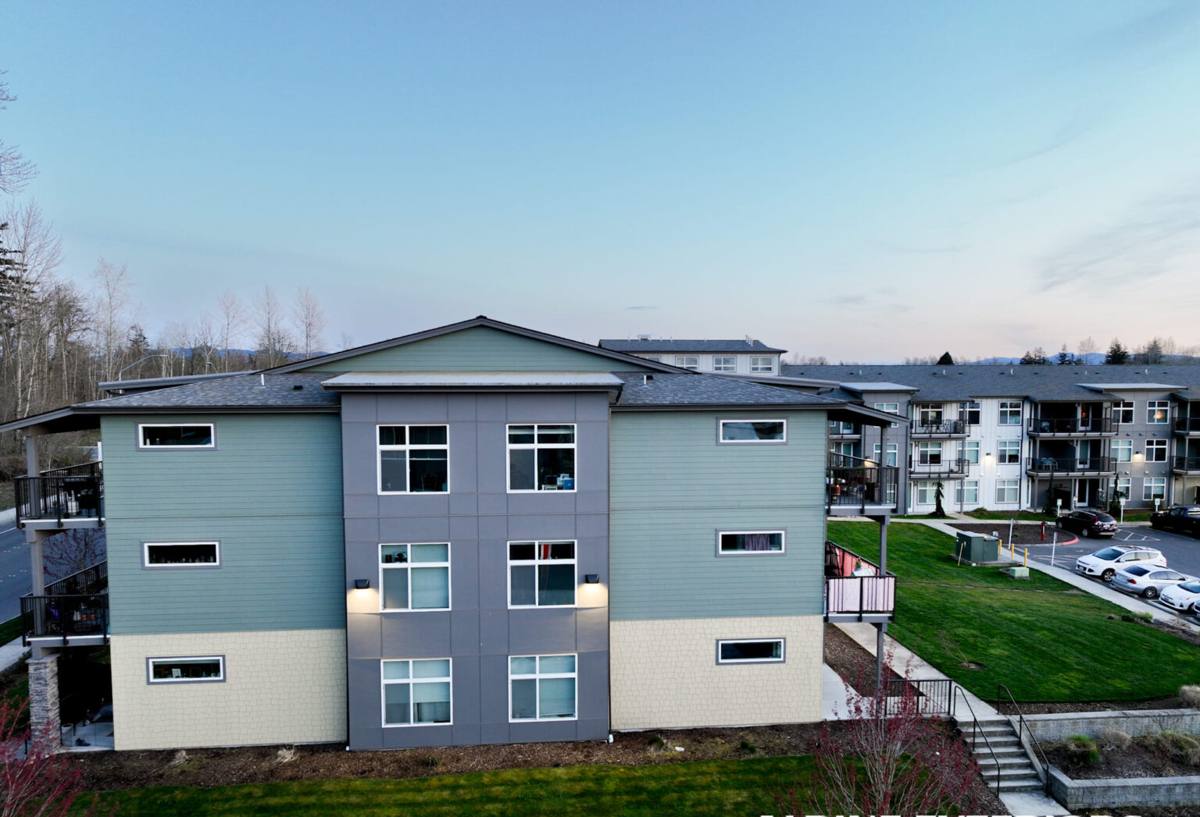
What Salt Air, Rain, and Moss Actually Do to Siding
Salt Air
Airborne salt is corrosive to exposed metal fasteners, flashing, and trim, and it accelerates the breakdown of paint film on wood-based products. Over years, homes closer to the water tend to show chalking, fading, and finish failure sooner than the same product would experience further inland.
Driving Rain
Wind-driven rain doesn't just wet the surface of the siding — it tests every seam, joint, and penetration. Poorly lapped panels, under-caulked trim, or a weather barrier that wasn't installed correctly will eventually let water behind the siding, where it can sit against sheathing and framing without anyone noticing until there's visible damage.
Moss and Algae Season
Whatcom County's wet season runs long, and shaded or north-facing walls in Marietta rarely get enough sun exposure to dry out fully between rain events. Moss and algae take hold on any surface that stays damp and organic-friendly, and on some siding materials that growth also traps moisture against the surface, which speeds up rot and finish breakdown underneath it.
Signs a Marietta Home Needs Siding Replacement
Not every issue means a full tear-off. But a few signs consistently point to siding that's past patching:
- Soft or spongy spots when you press on the siding, especially near the bottom courses and around windows
- Paint that keeps failing within a year or two of repainting, even after prep work
- Visible gaps, warping, or buckling panels, particularly on walls that face the prevailing weather
- Persistent moss or algae staining that comes back within months of cleaning
- Rising energy bills alongside drafts near exterior walls, which can point to a failing weather barrier behind the siding
- Visible rot at butt joints, corners, or anywhere siding meets trim, decking, or a roofline
If you're seeing two or more of these on the same wall, that's usually a sign the underlying water management — not just the surface material — has been compromised.
Why We Install Only James Hardie Fiber Cement
We made a decision to standardize on James Hardie fiber cement siding and stop installing vinyl, LP SmartSide, primed spruce, cedar, or other fiber cement brands. That's not a marketing position — it's a practical one, based on what actually performs in exposures like Marietta's.
Fiber cement is non-combustible, which matters for wildfire-adjacent insurance considerations and general fire safety. It doesn't swell, delaminate, or attract wood-boring insects the way wood-based products can when they take on repeated moisture. Hardie's ColorPlus factory finish is baked on under controlled conditions rather than field-applied, which gives it more consistent adhesion and UV resistance than a job-site paint job — a real advantage on walls that get hit with salt air and long damp stretches.
Just as important, Hardie engineers specific product lines — including HZ5 formulations — for different climate zones, including the wetter, more marine-influenced parts of the Pacific Northwest. That's a level of climate-specific engineering that most competing products simply don't offer. Paired with a strong transferable warranty, it's the product we're comfortable standing behind on a home that's going to face decades of this specific weather pattern.
How Hardie Compares to the Alternatives We Don't Install
| Material | How It Handles Marietta's Climate | Why We Don't Install It |
|---|---|---|
| Vinyl Siding | Doesn't rot, but flexes and can warp or crack in temperature swings; seams can allow water intrusion behind the panel | Lower fire resistance, less durable appearance over time, doesn't hold paint if a color change is ever wanted |
| LP SmartSide | Engineered wood — treated to resist moisture, but still wood-based and dependent on perfect field sealing at every cut edge | Cut edges and any compromised sealant become entry points for rot in a wet, salty climate |
| Primed Spruce / Cedar | Natural wood; attractive but highly moisture-sensitive and a food source for moss and organic growth | Requires frequent repainting and is more vulnerable to rot in prolonged damp conditions |
| James Hardie Fiber Cement | Non-combustible, dimensionally stable, factory-finished, engineered for marine and wet climates | This is what we install |
What a Correct Siding Replacement Actually Involves
The siding itself is only part of the system. In a climate like Marietta's, most long-term failures trace back to what's underneath the visible surface, not the panel material itself.
Full Tear-Off, Not Overlay
We remove the existing siding rather than installing new material over it. That lets us inspect the sheathing underneath for hidden rot or moisture damage before it's covered up again — something that's especially important on a home that's already been absorbing salt air and driving rain for years.
Weather-Resistive Barrier
A correctly lapped, properly taped weather barrier goes on before the siding. This is the layer that actually stops wind-driven rain from reaching the sheathing if any water gets past the siding surface — and it's one of the most commonly rushed steps in a low-quality installation.
Flashing at Every Penetration
Windows, doors, vents, and any other wall penetration need properly integrated flashing that directs water outward and downward, never behind the barrier. This is where driving rain finds the weak points in a poorly executed job.
Manufacturer-Spec Fastening and Clearances
James Hardie's warranty depends on installation to their published specifications — fastener spacing, ground clearance, proper caulking at joints, and correct nailing patterns. Skipping these details doesn't just risk cosmetic problems; it can void the manufacturer warranty entirely.
Our Process for a Marietta Siding Replacement
- On-site assessment — we walk the exterior, check for hidden moisture damage, and identify which walls have taken the most weather exposure
- Written scope and product selection — we go over Hardie product lines, profiles, and ColorPlus color options suited to the home
- Tear-off and sheathing inspection — old siding comes off and we address any rot or damage found before covering anything back up
- Weather barrier and flashing installation — installed and inspected before a single piece of siding goes up
- Hardie siding installation to manufacturer spec — correct fastening, clearances, and joint treatment throughout
- Final walkthrough — we review the finished work with you before calling the job complete
What Drives the Cost of a Siding Replacement
| Factor | Why It Matters |
|---|---|
| Home size and wall complexity | More square footage, corners, and dormers mean more material and labor |
| Extent of hidden damage | Rot found in sheathing during tear-off adds repair work that can't be scoped until the old siding is off |
| Siding profile and accessories | Lap width, trim details, and any specialty panel work affect material cost |
| Access and site conditions | Waterfront lots, steep grades, or tight access can affect staging and labor time |
| Existing moisture management | Homes with failed or missing weather barriers need more prep work before new siding goes on |
We give a written, itemized estimate after the on-site assessment rather than a phone quote, because the biggest cost variable — hidden sheathing damage — can't be known until we're actually looking at the wall.
Why a Crew That Already Works Marietta Matters
A contractor who works this specific stretch of Whatcom County regularly already knows what to look for on a Marietta home before the first panel comes off — where salt exposure tends to hit hardest, which wall orientations stay damp longest through the wet season, and what moisture problems commonly show up on homes of this age and construction in this area. That's not something a crew coming from outside the region picks up on the first job. It shows up in fewer surprises during tear-off, and in an installation that accounts for the actual weather this home will face for the next several decades, not a generic specification sheet.
After the Install: What Actually Needs Maintenance
One advantage of switching to Hardie fiber cement is how little ongoing maintenance it demands compared to wood-based sidings. It won't need repainting on the same cycle as primed wood, and it won't swell or rot from moisture the way engineered wood products can if sealant fails. That said, no siding is entirely maintenance-free in this climate:
- Rinse off moss, pollen, and salt residue periodically, especially on shaded or water-facing walls
- Keep gutters clear so overflow doesn't run down the siding face repeatedly
- Re-caulk joints and trim as needed over the years — caulk is a maintenance item on any siding system
- Trim back vegetation that keeps a wall shaded and damp longer than it needs to be
If your Marietta home is showing signs of worn-out siding, or you just want an honest read on what shape it's in, we're happy to take a look. The estimate is free, there's no pressure, and you'll get a straight answer about what your home actually needs — use the form below to get started.