 Ferndale
 Metal Roofing Built for Lummi Nation's Coastal Conditions
Homes in and around Lummi Nation sit close enough to Bellingham Bay and the Strait of Georgia that salt-laden air is a daily fact of life, not an occasional nuisance. Add Whatcom County's long, wet fall-through-spring stretch and the moss growth that comes with it, and you've got a roofing environment that punishes cheap materials and sloppy installation fast. We install metal roofing systems for homeowners in this area because, done right, metal handles all three of those stressors — salt, driving rain, and moss — better than almost anything else on the market. This page covers what that actually means in practice: the right materials, the details that make or break a metal roof out here, and how we run the job from first look to final walk-through.
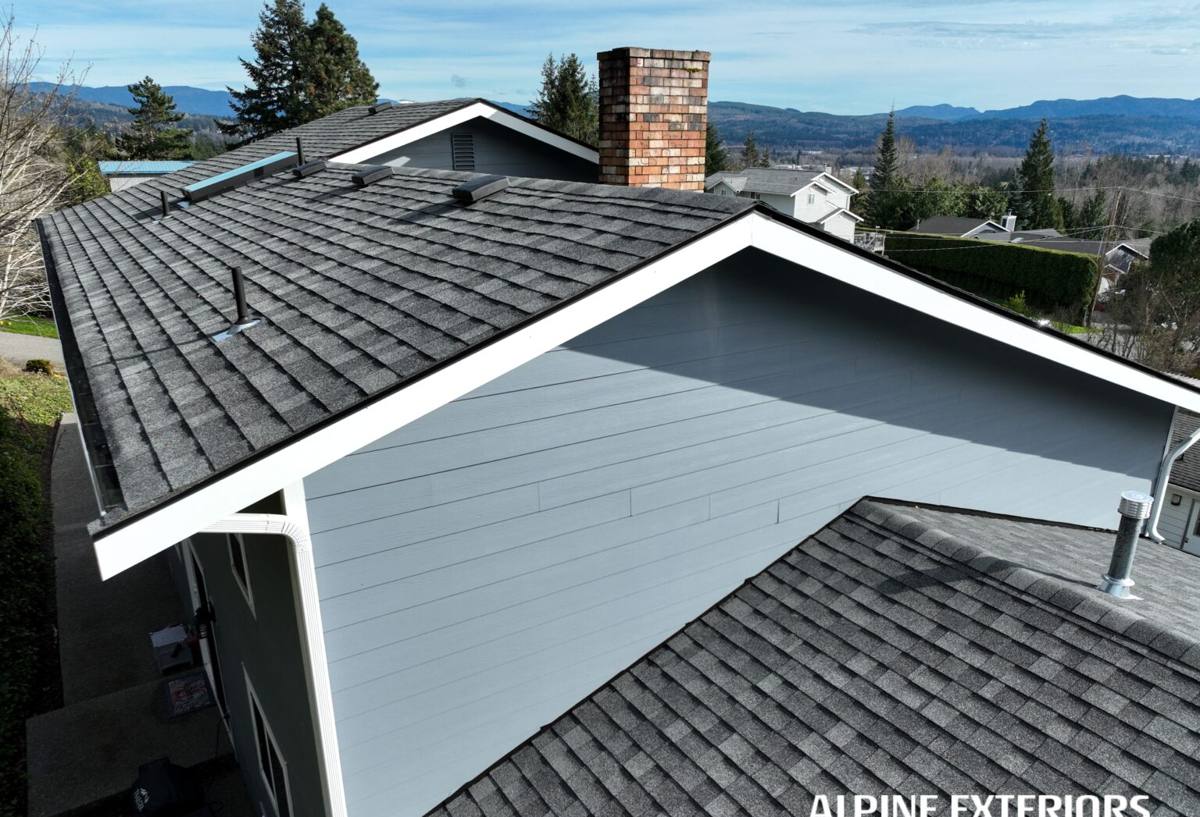
Why the Local Climate Changes the Roofing Equation
A metal roof installed the same way in Spokane or Yakima won't necessarily perform the same way a few miles from tidal water. Three conditions specific to this part of Whatcom County matter most:
Salt Air
Airborne salt accelerates corrosion on any exposed metal — fasteners, flashing, panel edges — especially where coatings are thin or damaged during installation. This is the single biggest reason we're selective about which metal roofing products and fastener systems we'll put on a home this close to the water.
Driving Rain
Storms coming off the water don't just fall straight down — wind-driven rain gets pushed sideways and upward under eaves, around penetrations, and into any gap a lazy installation leaves behind. A metal roof's water-shedding advantage only holds up if the underlayment, flashing, and seam details are done correctly. Panels alone don't keep water out; the system underneath them does the real work.
Extended Moss Season
Whatcom County's mild, damp climate keeps conditions favorable for moss and algae growth for much of the year, especially on shaded, north-facing slopes and under tree cover. Moss holds moisture against roofing materials and, on the wrong substrate, can work into seams and fastener penetrations over time. Metal roofing is naturally more moss-resistant than asphalt shingles, but it isn't moss-proof — panel choice, slope, and surrounding tree canopy all factor into how much of a problem it becomes.
What a Correctly Installed Metal Roof Includes
"Metal roof" covers a wide range of quality, and the difference between a roof that lasts decades in this climate and one that causes problems in five years usually comes down to details most homeowners never see once the job is finished.
- Marine-grade or coastal-rated fasteners — standard fasteners corrode faster in salt air; we use fastener systems rated for coastal exposure
- Full synthetic underlayment — a continuous water barrier beneath the panels, not just felt paper, so wind-driven rain that gets past a seam still has somewhere safe to go
- Proper panel overlap and seam direction — oriented to shed water with prevailing wind and rain patterns, not just laid out for speed
- Correctly flashed valleys, penetrations, and transitions — the majority of roof leaks start at flashing details, not open field panel, so this is where craftsmanship matters most
- Ice-and-water shield at vulnerable points — eaves, valleys, and low-slope transitions get extra protection against backup and driving rain
- Ventilation that matches the assembly — proper intake and exhaust airflow keeps moisture from condensing under the deck, which matters even more under a non-breathable metal surface
Skip any one of these and you can still end up with a roof that looks like a metal roof but doesn't perform like one once the weather turns.
Choosing the Right Metal System for This Area
Not all metal roofing is the same product wearing different colors. For homes in the Lummi Nation area, we generally steer homeowners toward systems that balance corrosion resistance, water-shedding performance, and long-term maintenance.
| System | Best For | Coastal Considerations |
|---|---|---|
| Standing seam (steel or aluminum) | Most homes, especially higher-visibility or higher-slope roofs | Concealed fasteners reduce corrosion points; aluminum resists salt corrosion especially well |
| Exposed-fastener metal panels | Outbuildings, shops, budget-conscious projects | More fastener penetrations to maintain over time; needs coastal-rated screws and periodic checks |
| Metal shingles / shakes | Homes wanting a traditional look with metal's durability | Interlocking design sheds water well; still needs correct underlayment and flashing |
Aluminum in particular is worth a conversation for homes closest to the water, since it doesn't rust the way bare steel can if a coating is ever compromised. Steel systems with quality factory finishes still perform well here — the finish and fastener quality matter more than the base metal in most real-world cases.
A Note on Roofing Materials We're Selective About in This Climate
We install what holds up here, and we're upfront when a product isn't the right fit for salt air and heavy moisture rather than pushing whatever's cheapest. Some lower-tier coated panels and mismatched fastener systems can look identical to a quality system on day one but show premature corrosion or coating failure within a few years in coastal exposure. That's a maintenance burden and a warranty headache we'd rather help homeowners avoid up front than deal with as a callback later.
Our Process for Lummi Nation Metal Roof Projects
1. On-Site Assessment
We look at your existing roof deck, slope, tree cover, and exposure to prevailing wind and rain direction. Homes closer to open water or with less tree buffer get a closer look at fastener and flashing specs.
2. Material and System Selection
We walk through panel profiles, finish options, and colors, and explain the trade-offs honestly — including where a mid-tier option makes sense versus where it doesn't for your specific site conditions.
3. Tear-Off or Deck Prep
Depending on the existing roof, this may mean full tear-off and deck inspection, or in some cases installing over a sound existing surface with the right underlayment — we'll tell you which applies and why.
4. Underlayment and Flashing First
Before a single panel goes down, the water-management layer is installed and inspected. This is the step that determines whether the roof actually performs in a driving rainstorm.
5. Panel Installation
Panels are installed with attention to seam direction, overlap, and fastening pattern specific to your roof's slope and exposure.
6. Final Inspection and Walk-Through
We check flashing, penetrations, and fastener seating before calling the job done, and walk you through basic care so you know what to expect over the years ahead.
Maintenance: What Actually Matters
Metal roofing is low-maintenance compared to asphalt, but "low" isn't "none," especially in this climate. A short annual routine goes a long way toward protecting your investment.
- Clear debris (needles, leaves, branches) from valleys and gutters before fall rains set in
- Check for moss or algae buildup on shaded slopes and address it early with a gentle, roof-safe approach rather than pressure washing
- Look at flashing around chimneys, vents, and skylights for any visible gaps or lifted edges
- Trim back overhanging branches that keep sections of roof shaded and damp longer than the rest
- Have fastener condition checked periodically, especially on exposed-fastener systems in salt-air exposure
Cost Factors for a Metal Roof in This Area
Every roof is different, but a few factors consistently move the price for local homeowners:
| Factor | Why It Matters |
|---|---|
| Roof complexity (valleys, dormers, penetrations) | More flashing details mean more labor and material |
| Tear-off vs. overlay | Deck condition and code requirements affect whether full removal is needed |
| Panel system chosen | Standing seam typically costs more than exposed-fastener panels but needs less long-term maintenance |
| Coastal fastener and flashing upgrades | Marine-grade hardware costs more up front but reduces corrosion-related repairs |
| Roof access and pitch | Steeper or harder-to-access roofs add labor time and safety equipment needs |
We give straightforward, itemized estimates so you can see where the money goes rather than a single lump number that leaves you guessing.
Why Local Experience Matters for This Job
A roofing crew that hasn't worked near the water before can install a technically fine roof somewhere else and still get caught off guard by conditions specific to Whatcom County's coastal exposure — fastener corrosion timelines, moss patterns under the region's tree cover, or how wind-driven rain behaves on a given slope near open water. We work in Ferndale and the surrounding communities regularly, which means we're not guessing at how a roof will hold up here — we've seen how different systems perform in this exact environment over time, and we build accordingly.
Get a Free, No-Pressure Estimate
If you're weighing a metal roof for your Lummi Nation area home, we're happy to take a look, answer your questions honestly, and put together a clear estimate with no pressure to sign anything on the spot. Fill out the form below and we'll get in touch to schedule a time that works for you.