 Ferndale
 Why Point Roberts Roofs Wear Differently
Point Roberts sits on its own peninsula at the far edge of Whatcom County, cut off from the rest of the mainland U.S. by water on three sides and by an international border on the fourth. That geography matters for roofs. Homes here take a steady diet of salt-laden air off the water, driving rain that comes in sideways during winter storms, and a moss season that can run from October well into spring. None of these are unusual for the Pacific Northwest on their own, but stacked together on an exposed peninsula, they age a roof faster than the same materials would age twenty or thirty miles inland.
A roof that's simply "installed correctly" by generic standards isn't always installed correctly for Point Roberts. The fastener corrosion resistance, the underlayment choice, the ventilation balance, and the moss-prevention details all need to be dialed in for this specific exposure, not just for the Pacific Northwest in general.
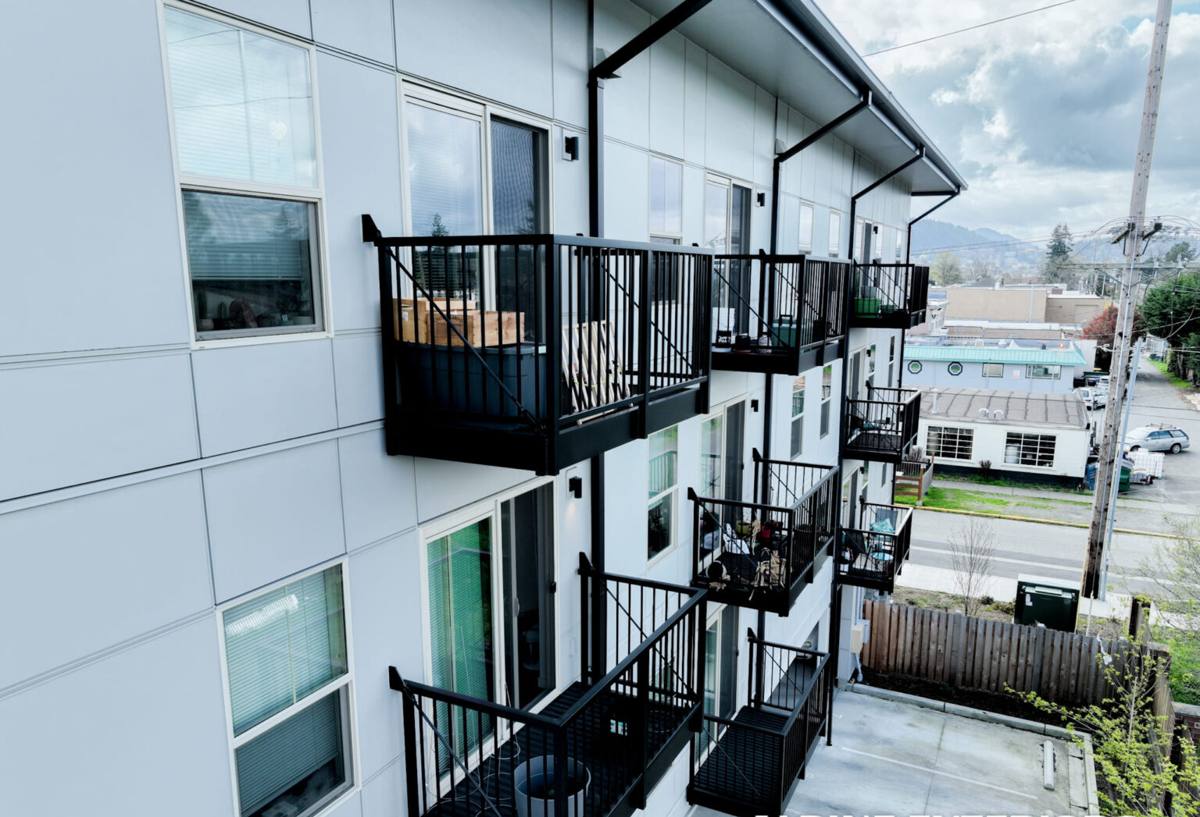
What Salt Air Actually Does to a Roof
Salt air is corrosive to exposed metal. Roofing nails, flashing, gutter fasteners, and any exposed metal trim take the brunt of it over years of exposure. Standard electro-galvanized fasteners can start showing rust streaks and weakening well before a shingle's rated lifespan is up. On a proper new roof install for a home this close to the water, that means:
- Hot-dip galvanized or stainless fasteners instead of standard galvanized, especially on the windward side of the house
- Corrosion-resistant flashing at valleys, chimneys, and wall intersections rather than economy-grade metal
- Careful attention to any dissimilar-metal contact points, which corrode faster near salt air than they would inland
Skipping this step doesn't show up as a problem in year one or two. It shows up as rust bleed, loosening fasteners, and premature flashing failure five to ten years down the road — right when a homeowner assumes the roof still has a decade of life left in it.
Driving Rain and Wind-Driven Water Intrusion
Point Roberts catches wind off the water with little to break it up before it hits a roofline. That means rain doesn't just fall straight down here — it gets pushed sideways and upward under shingle tabs, around vents, and into any gap in the flashing that a calmer climate might tolerate. A new roof install needs to plan for that from the start:
Underlayment matters more here
A self-adhered, waterproof underlayment (not just standard felt) at eaves, valleys, and around every penetration gives the roof a backup layer when wind-driven rain gets past the shingles themselves. On more exposed lots, we'll often extend this coverage further up the roof plane than code minimums require.
Flashing details, not just flashing presence
It's not enough to install flashing — the laps, the direction of overlap, and the sealant used all need to account for water being pushed uphill by wind, not just running downhill by gravity. This is one of the most common places we find shortcuts on older Point Roberts roofs when we tear off for a replacement.
Moss: The Slow, Quiet Roof Killer
Moss doesn't just look bad. It holds moisture against the roof surface, lifts shingle edges as it grows, and accelerates granule loss on asphalt shingles. On shaded or north-facing sections of a roof — common on wooded Point Roberts lots — moss can establish itself within a couple of years of a new roof going in if nothing is done to discourage it.
A correctly installed new roof addresses moss at the install stage, not as an afterthought:
- Zinc or copper strips installed near the ridge on moss-prone slopes, which release trace metal ions that inhibit moss growth every time it rains
- Adequate roof ventilation so the deck isn't staying damp longer than it needs to
- Shingle selection that includes algae- and moss-resistant granules where the roof plan and budget allow
- Keeping gutters and valleys clear of debris that traps moisture and gives moss a foothold
Roofing Material Options for Point Roberts Homes
There's no single "best" roofing material — the right choice depends on the home's exposure, roof pitch, budget, and how the homeowner wants to balance upfront cost against long-term maintenance. Here's how the common options stack up for this specific climate:
| Material | Salt Air Durability | Moss Resistance | Typical Lifespan Here | Maintenance Burden |
|---|---|---|---|---|
| Architectural asphalt shingle | Good, with corrosion-resistant fasteners | Moderate, better with algae-resistant granules | 20-30 years | Low to moderate |
| Standing seam metal | Very good with proper coating/fastener spec | Very good, sheds moisture fast | 40-50+ years | Low |
| Cedar shake | Fair, needs regular treatment | Poor without diligent upkeep | 20-30 years with maintenance | High |
| Synthetic composite shingle | Good | Good | 30-50 years | Low |
We don't push cedar shake as a default recommendation on exposed, moss-prone lots. It can look great and we'll install it if that's what a homeowner wants, but the maintenance commitment — regular cleaning, treatment, and inspection — is real, and a lot of homeowners underestimate it until they're a few years in. We'd rather say that upfront than let someone find out the hard way.
Our New Roof Installation Process
- On-site inspection and estimate. We look at the existing roof, deck condition, ventilation, and exposure specific to the property before quoting anything.
- Material selection. We walk through the honest trade-offs for the home's specific exposure — sun, shade, wind direction, proximity to water — rather than a one-size-fits-all pitch.
- Tear-off and deck inspection. Full tear-off lets us actually see the deck, not guess at its condition. Any soft or water-damaged sheathing gets replaced before anything new goes down.
- Underlayment and flashing installation. This is where most long-term leak problems are prevented or created — we don't rush this stage.
- Ventilation check and correction. Balanced intake and exhaust ventilation, adjusted if the existing setup is inadequate.
- Roofing material installation. Installed to manufacturer spec, with corrosion-resistant fasteners appropriate to a coastal peninsula.
- Final walkthrough. We go over the finished roof, gutters, and any flashing details with the homeowner before calling the job done.
Ventilation and Moisture Control
Ventilation gets overlooked because it's invisible once the roof is finished, but it directly affects how long that roof lasts. A roof deck that can't breathe traps moisture underneath the shingles, which accelerates rot, encourages moss and mold, and can void material warranties. On Point Roberts homes we often find older roofs with intake vents painted over or blocked by insulation, and exhaust ventilation that was undersized for the roof's square footage to begin with. Correcting this during a new roof install is far cheaper than doing it later as a standalone repair.
Cost Factors for a New Roof in This Area
| Factor | Why It Affects Cost Here |
|---|---|
| Roof pitch and complexity | Steeper or multi-plane roofs take longer to flash correctly and need more safety setup |
| Deck condition | Rot or moisture damage found during tear-off adds sheathing replacement cost |
| Material choice | Metal and synthetic composites cost more upfront than asphalt but need less upkeep over time |
| Corrosion-resistant hardware | Coastal-grade fasteners and flashing cost more than standard-grade but pay off in reduced early failure |
| Access and logistics | Point Roberts' location means material delivery and crew scheduling need to be planned ahead of time |
Broad ranges vary a lot by roof size and material, and any honest quote should come from an actual on-site look rather than a phone estimate. We'll always give a firm number in writing before work starts, and we'll explain what's driving the cost, not just hand over a total.
Signs You Need a New Roof, Not Another Repair
- Granules collecting in gutters in noticeable amounts, not just a light dusting
- Shingles that are curling, cupping, or cracking across large sections rather than isolated spots
- Soft spots or sagging visible from the ground or in the attic deck
- Persistent moss growth that keeps coming back even after cleaning
- Daylight visible through the roof deck from inside the attic
- Repeated leaks in different locations after previous patch repairs
- A roof that's approaching or past the expected lifespan for its material and exposure
If only one or two of these apply, a repair might still make sense. If several show up together, a repair is usually just delaying a replacement while spending money that won't count toward it.
Why Hiring a Crew That Already Works Point Roberts Matters
Point Roberts is logistically different from most of Whatcom County. It's a peninsula reachable by land only through Canada, which means material deliveries, crew scheduling, and permitting all take a bit more planning than a job five minutes off I-5. A contractor who hasn't worked here before often underestimates that, which can turn into delays or rushed work to make up lost time. A crew that already handles jobs on this peninsula has the logistics figured out ahead of time — materials ordered with the extra lead time built in, scheduling that accounts for crossing considerations, and a working knowledge of how homes here are actually built and exposed to weather, not just a textbook idea of "coastal Washington."
That familiarity also shows up in the details that matter for longevity: knowing which slopes on a given lot tend to hold moss, which sides take the worst of the wind-driven rain, and which older roofing shortcuts tend to show up first when we tear off an existing roof.
After the Install: Keeping a New Roof Performing
A correctly installed roof still benefits from basic upkeep, especially in this climate. Clearing gutters and valleys of debris before the fall rains, checking zinc or copper moss strips periodically, and doing a visual inspection after major windstorms will catch small issues before they become expensive ones. None of this is complicated, but it's easy to forget until something goes wrong.
If your Point Roberts roof is showing its age, or you just want a straight answer about whether it needs replacing, we're happy to take a look and walk you through what we find. Reach out for a free, no-pressure estimate using the form below.