 Ferndale
 Windows Built for the Nooksack Area's Weather, Not a Showroom
Homes near Nooksack sit in a stretch of Whatcom County that takes a specific kind of beating: salt-laden air pushing in off the Strait, long stretches of driving rain, and a wet season that runs far longer than most window products are designed around. Add in moss and mildew that colonize anything that stays damp for more than a few days, and you've got a climate that finds every weak point in a window's frame, seal, and flashing within a handful of years — not decades. We work this area regularly out of Ferndale, and the window failures we get called out for follow a predictable pattern tied directly to this environment.
This page covers window replacement specifically for the Nooksack area: what the climate does to windows here, what a correct installation actually involves, and how our process works from estimate to final walkthrough. If you're comparing options or just trying to understand why your current windows are failing, this should give you a straight answer.
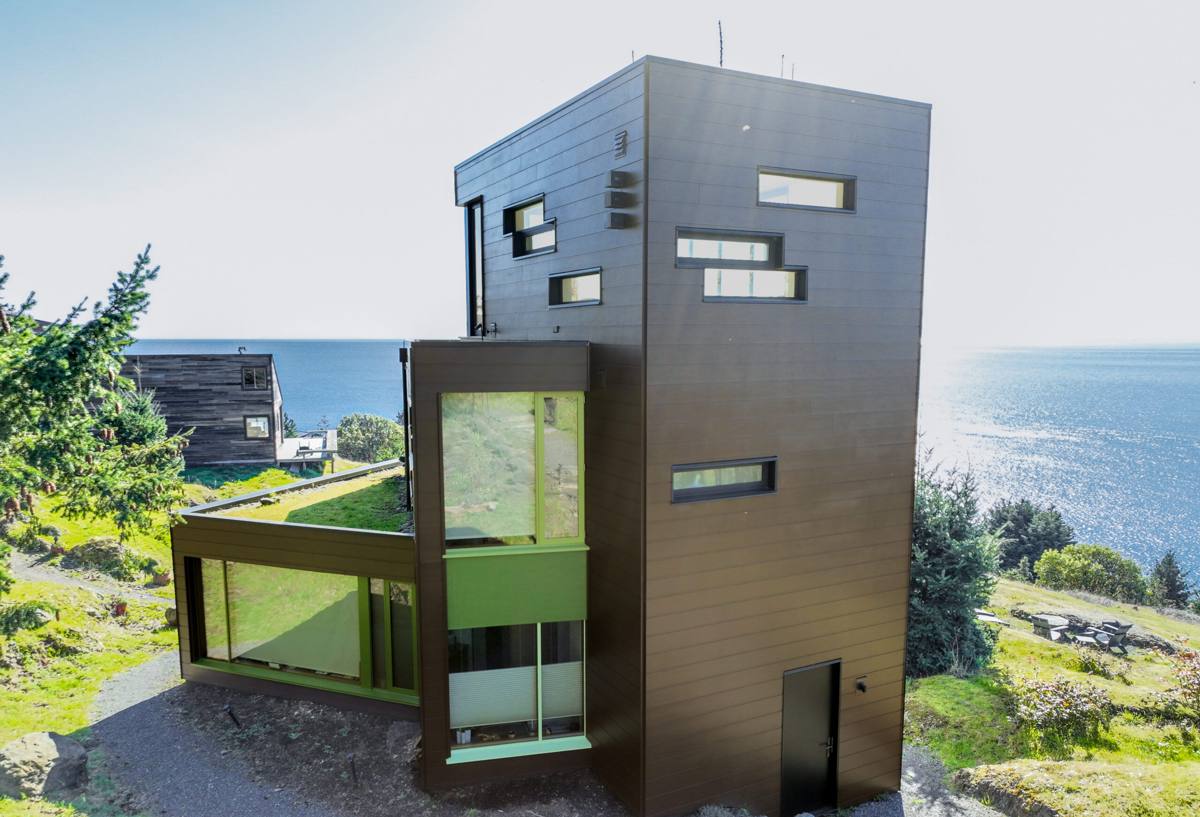
Why Windows Fail Faster Near Nooksack
Salt Air and Metal Fatigue
Even set back from the water, homes in this part of Whatcom County get enough airborne salt to accelerate corrosion on window hardware — hinges, cranks, locks, and any exposed fasteners. Aluminum-clad and vinyl frames handle this better than bare wood or unprotected steel components, but the hardware inside any window is still vulnerable if it's not rated for coastal-adjacent exposure. We've seen locking mechanisms seize and balance systems corrode years before the glass or frame itself shows any real wear.
Driving Rain and Wind-Driven Water Intrusion
Rain here doesn't fall straight down for much of the year — it comes in sideways, driven by wind off the water and funneled by the terrain around the Nooksack valley. That matters enormously for window installation, because a window that would perform fine in a calmer climate can leak here if the flashing, sill pan, and sealant details aren't done correctly. Most leaks we find at older installations trace back to a missing or improperly lapped sill pan, not a bad window unit.
Extended Moss and Mildew Season
Whatcom County's wet season stretches long enough that anything holding moisture — a poorly draining sill, a gap behind trim, a weep hole clogged with debris — becomes a growth site for moss, algae, and mildew. Beyond the cosmetic issue, sustained moisture at the window opening is what eventually rots wood framing and buckles vinyl. Windows that drain well and dry out between rain events last substantially longer here than windows that don't, regardless of brand.
What a Correct Window Replacement Involves in This Climate
Swapping in a new window is the easy part. The work that actually determines whether the window performs for the next 20+ years happens in the opening itself, before the new unit ever goes in.
- Full removal of the old window and inspection of the framing and sill for hidden rot or water damage
- Repair or replacement of any compromised wood framing before the new window is set — never install over rot
- A properly lapped sill pan flashing system so any water that reaches the opening drains back out, not into the wall
- Correct integration of the window's nailing flange with the existing weather-resistive barrier (house wrap), shingled top-down so water sheds outward at every layer
- Backer rod and quality exterior-grade sealant at the perimeter, sized and placed for the joint — not just a bead of caulk smeared over the gap
- Shimming and squaring the unit so the sash operates properly and the weatherstripping seals evenly all the way around
- Insulation of the gap between the window frame and rough opening with a compatible low-expansion foam or fiberglass — never left empty, never overfilled
- Interior and exterior trim reinstalled or replaced with attention to any final gaps that could let moisture or air through
Skip any one of these steps and you can end up with a brand-new window that leaks, fogs between panes prematurely, or lets drafts in around the frame within a few years — problems that get blamed on the window product when the real cause was the installation.
Choosing Frame Material for Salt Air and Rain Exposure
There's no single "best" window material for every home, but some trade-offs matter more here than they would inland.
| Frame Material | How It Handles This Climate | Maintenance Reality |
|---|---|---|
| Vinyl | Doesn't corrode from salt air; handles moisture well; performs consistently in this region | Low — occasional cleaning, no painting or sealing needed |
| Fiberglass | Excellent dimensional stability in temperature and moisture swings; strong resistance to the wet-dry cycling common here | Low, but carries a higher upfront cost |
| Aluminum-clad wood | Good exterior weather resistance if the cladding and seals are intact; wood core is vulnerable if water ever gets behind the cladding | Moderate — depends on cladding integrity over time |
| Bare wood | Least suited to this climate without diligent upkeep; prone to swelling, rot, and moss growth in constant damp conditions | High — regular painting, sealing, and inspection required |
We steer most Nooksack-area homeowners toward vinyl or fiberglass for standard replacements, mainly because the maintenance burden of bare wood in a climate this wet doesn't make sense unless you specifically want the look and are prepared to keep up with it. That's a judgment call based on how this region's moisture behaves over time, not a knock on wood windows generally.
Glass Packages Worth Considering
Beyond the frame, the glass package affects comfort and condensation control, which matters in a climate with this much sustained humidity.
- Double-pane, low-E coated: The standard for most replacement jobs here — good insulating value and reduces solar heat gain without darkening the room noticeably
- Argon or krypton gas fill: Improves insulating performance modestly; worth having on most double-pane units at this point since it's a small cost add
- Triple-pane: Better sound and thermal performance, useful on homes facing wind exposure or road noise, but adds weight and cost that isn't always necessary for every elevation of a house
- Warm-edge spacers: Reduce condensation risk at the glass edge, which matters given how much humidity these windows deal with for much of the year
Signs It's Time to Replace, Not Repair
Not every window issue means full replacement. Here's how we typically sort it out on a walkthrough:
- Fogging or a visible haze between the panes means the seal has failed — that's a replacement, not a repair
- Soft or spongy wood at the sill or jamb usually means water has been getting in for a while; repair is possible if caught early, replacement if the framing is compromised
- Windows that are hard to open, won't stay up, or don't lock securely often just need hardware service — worth checking before assuming you need new units
- Persistent moss or dark staining at the sill or bottom corners points to a drainage problem that repair alone won't fully solve if the underlying flashing is wrong
- Noticeable drafts even with the window fully closed and locked usually mean the weatherstripping or the perimeter seal has failed
Our Process for Nooksack-Area Jobs
1. On-Site Assessment
We look at each window opening individually — not every window on a house fails the same way or needs the same fix. We check framing condition, current flashing (if visible), drainage at the sill, and how the home is oriented to wind and rain exposure.
2. Straightforward Estimate
You get a clear breakdown of what's being replaced, what framing repair (if any) is included, and what glass and frame options fit your budget and the house's exposure. No pressure to upgrade beyond what actually makes sense for your situation.
3. Correct Installation
This is where the flashing, sealant, and insulation details described above get done right, every time — not shortcuts to save an hour on the job.
4. Final Walkthrough
We check operation, seals, and trim before we consider the job done, and we're upfront about care or watch-points specific to your home's exposure.
Why a Crew That Already Works Nooksack Matters
A window replacement isn't just a product installed — it's a set of judgment calls about flashing, sealant, and drainage that need to match the specific conditions the window will face. A crew that works Ferndale and the greater Whatcom County area regularly already knows how driving rain behaves against different home orientations here, what salt exposure does to hardware over a few winters, and where moss tends to establish itself if drainage details are even slightly off. That's not something you get from a crew flown in from outside the region, and it's the difference between a window that performs for its full warranty life and one that needs attention again in five years.
Get a Free, No-Pressure Estimate
If you're dealing with drafty, foggy, or hard-to-operate windows near Nooksack, or you just want an honest read on whether repair or replacement makes sense for your home, we're glad to take a look. Use the form below to request a free estimate — no pressure, no obligation.