 Ferndale
 Roof Replacement Built for Sudden Valley's Conditions
Sudden Valley sits in a wooded, lake-adjacent pocket of Whatcom County, and that setting creates a roofing environment that's different from a typical in-town lot. Heavy tree canopy means shade that never fully burns off, needles and debris that pack into valleys and gutters, and moss that gets a running start every fall and doesn't let up until late spring. Add in the marine air that moves through this part of Washington and the driving, wind-pushed rain that's common in the wetter months, and you have a combination that wears through an underbuilt or aging roof faster than most homeowners expect. A roof replacement here isn't just about swapping old shingles for new ones — it's about building a system that's suited to shade, moisture, and organic debris for the long haul.
We're a Ferndale-based crew, and Sudden Valley is inside the territory we work regularly. That matters more than it sounds like it should. A roof that's correctly detailed for a sun-exposed lot in town can still fail early in a shaded, tree-heavy setting if the underlayment, ventilation, and moss-resistance choices aren't adjusted for it.
Why Moss, Shade, and Salt Air Combine to Shorten Roof Life
Three forces work together against roofs in this part of Whatcom County, and each one makes the others worse:
- Persistent shade from surrounding trees keeps roof surfaces damp longer after every rain, which is exactly the condition moss and algae need to establish and spread.
- Moss and organic buildup hold moisture directly against the roofing surface, work into shingle laps and seams, and lift edges — creating entry points for water that a dry roof simply wouldn't have.
- Salt-tinged marine air and driving rain push moisture into any gap that moss, wind-lifted shingles, or aging flashing leave open, and accelerate corrosion on exposed metal fasteners, flashing, and vents.
None of these forces are dramatic on their own. The damage they cause is gradual — a few years of moss creep, a slowly softening layer of sheathing under a section that never fully dries, fasteners that corrode faster than they should. By the time it's visible from the ground, the roof usually needs full replacement rather than a patch.
Why Repair Isn't Always the Answer
Repairs make sense for isolated damage — a single storm-damaged section, a flashing failure, a punctured spot. But once moss has been established for multiple seasons, or once moisture has reached the sheathing in more than one area, patching individual spots usually just delays the same failure elsewhere on the roof. We'll always tell you honestly which situation you're in during an inspection, rather than defaulting to the more expensive option.
Signs a Sudden Valley Roof Needs Full Replacement
Because tree cover hides a lot of roof surface from view, problems here tend to be caught later than on open, sun-exposed roofs. Watch for:
- Moss that keeps returning within a season or two of cleaning, even after treatment
- Shingle granules collecting in gutters or at downspout outlets
- Dark streaking or a spongy feel when the roof is walked for inspection
- Daylight visible through the roof deck from inside the attic
- Curling, cupping, or lifted shingle edges, especially on north-facing or heavily shaded slopes
- Interior water stains on ceilings or in the attic that appear after heavy or wind-driven rain
- A roof that's approaching or past the expected service life of its material, particularly if it's never had moss control performed
Any one of these on its own might not mean replacement. Several together, or moss and moisture damage combined, usually do.
What a Correct Roof Replacement Actually Includes
A roof replacement is more than the visible shingle layer. In a shaded, moss-prone, moisture-heavy environment like Sudden Valley, the components underneath and around the shingles matter as much as the shingles themselves. Here's what we consider non-negotiable on every full replacement:
| Component | Why It Matters Here |
|---|---|
| Full tear-off to bare deck | Lets us find and repair any hidden sheathing damage from long-term moisture or moss retention before it's covered up again |
| Ice-and-water shield at eaves, valleys, and penetrations | Backs up the roof in the areas most exposed to standing moisture and wind-driven rain |
| Synthetic underlayment across the full deck | Provides a secondary moisture barrier that outperforms older felt products in damp, shaded conditions |
| Balanced intake and exhaust ventilation | Keeps the attic dry and temperature-stable, which slows moss regrowth and protects the deck from below |
| Moss-resistant shingle or metal selection | Reduces how fast moss re-establishes on shaded slopes, extending the interval between maintenance cleanings |
| Corrosion-resistant flashing and fasteners | Marine air accelerates corrosion on standard-grade metal; better-grade materials hold up longer here |
| Proper valley and gutter detailing | Tree debris concentrates in valleys and gutters; correct detailing keeps water moving instead of pooling against organic buildup |
Our Process, Start to Finish
1. On-Site Inspection and Honest Assessment
We walk the roof, check the attic where accessible, and look specifically for the shade and moisture patterns common to this area — not just surface wear. You'll get a clear answer on whether you need replacement, repair, or just a moss treatment and maintenance plan.
2. Written Estimate
You'll get a straightforward scope and price before any work starts, including material options suited to your roof's exposure and shade level. No pressure, no upsell tactics — just the honest recommendation for your specific roof.
3. Material Selection
We'll walk you through the tradeoffs between shingle types, moss-resistant options, and metal roofing where it makes sense, based on your roof's pitch, shade exposure, and budget.
4. Tear-Off, Deck Inspection, and Replacement
Old roofing comes off down to the deck, damaged sheathing gets replaced (not covered up), and the new system goes on with the underlayment, ventilation, and flashing details appropriate to a shaded, moisture-heavy site.
5. Site Cleanup
Full magnetic sweep for nails, debris removal, and a final walkthrough with you before we consider the job done.
Roofing Material Options for This Setting
There's no single "right" material for every Sudden Valley home — pitch, shade level, and how much moss maintenance you want to do long-term all factor in. Here's how the common options compare in this specific climate:
| Material | Moss Resistance | Maintenance in Shade | General Notes |
|---|---|---|---|
| Standard asphalt shingle | Low to moderate | Regular cleaning needed on shaded slopes | Lower upfront cost; shortest interval between moss treatments in heavy shade |
| Algae/moss-resistant shingle | Higher | Reduced, but not eliminated | Modest cost premium over standard shingle; a strong fit for tree-heavy lots |
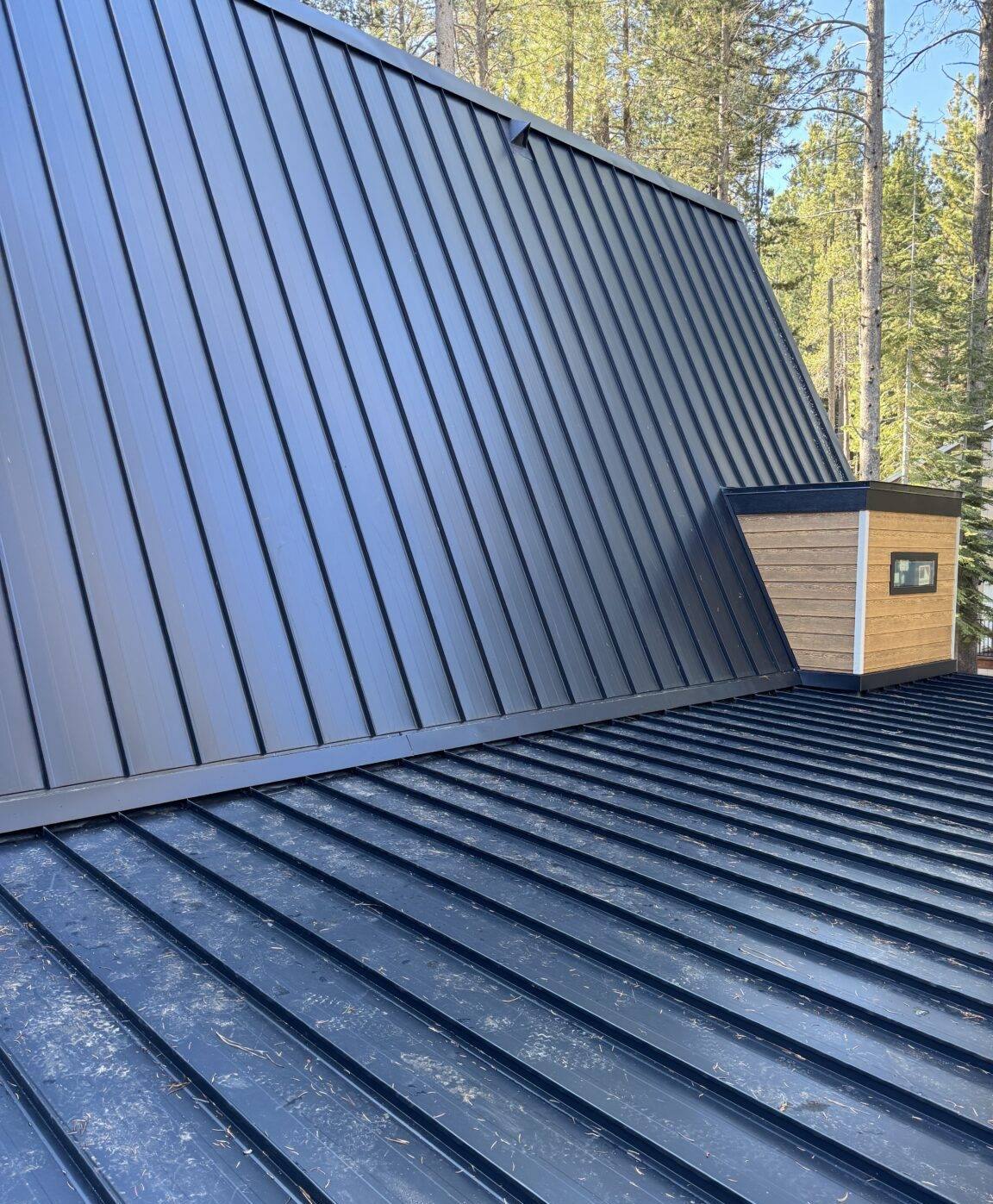
| Metal roofing | High on smooth panel profiles | Lowest ongoing maintenance | Higher upfront cost; sheds moisture and debris well; long service life in marine air when properly detailed |
For heavily shaded roofs in Sudden Valley, we usually steer homeowners toward moss-resistant shingle or metal, simply because the maintenance savings over the life of the roof tend to offset the modest upfront difference. That said, a standard shingle roof with a disciplined cleaning schedule is a legitimate choice too — it comes down to how much hands-on maintenance you want to commit to.
Working Around HOA and Access Requirements
Many properties in Sudden Valley fall under a homeowners association or private road arrangement with its own guidelines for exterior work, dumpster placement, or contractor access. If your property has requirements like these, tell us up front and we'll build the project timeline around them — permit coordination, material staging, and any approval steps included — so it's one less thing you have to manage yourself during the project.
Why a Local Ferndale Crew That Works This Area Matters
Roofing crews that mostly work open, in-town lots don't always adjust their defaults for shaded, moss-heavy, tree-covered properties. A crew that regularly works Sudden Valley and the surrounding Whatcom County terrain already knows to check for the moisture patterns specific to shaded roofs, to spec ventilation and underlayment for a lot that rarely gets direct sun, and to plan around narrower or wooded-lot access. That familiarity shows up in fewer surprises during tear-off and a roof that's actually built for the site it's on, not a generic spec sheet.
After Your New Roof: A Simple Maintenance Checklist
A correctly installed roof still benefits from basic upkeep in this climate. We recommend:
- Clear gutters and valleys of needles and debris at least twice a year, more often under heavy tree cover
- Have moss growth treated at the first sign of return, rather than letting it establish over a full season
- Keep overhanging branches trimmed back to reduce shade and debris load on the roof surface
- Check attic ventilation isn't blocked by insulation, especially after any attic work
- Schedule a visual roof inspection every year or two, even without visible problems
If you're noticing moss buildup, aging shingles, or you just want an honest read on where your roof stands, we're glad to come take a look. Use the form below to request a free, no-pressure estimate — we'll give you a straightforward assessment of what your roof actually needs, not a sales pitch.