 Ferndale
 New Roof Installation for Sudden Valley Homes
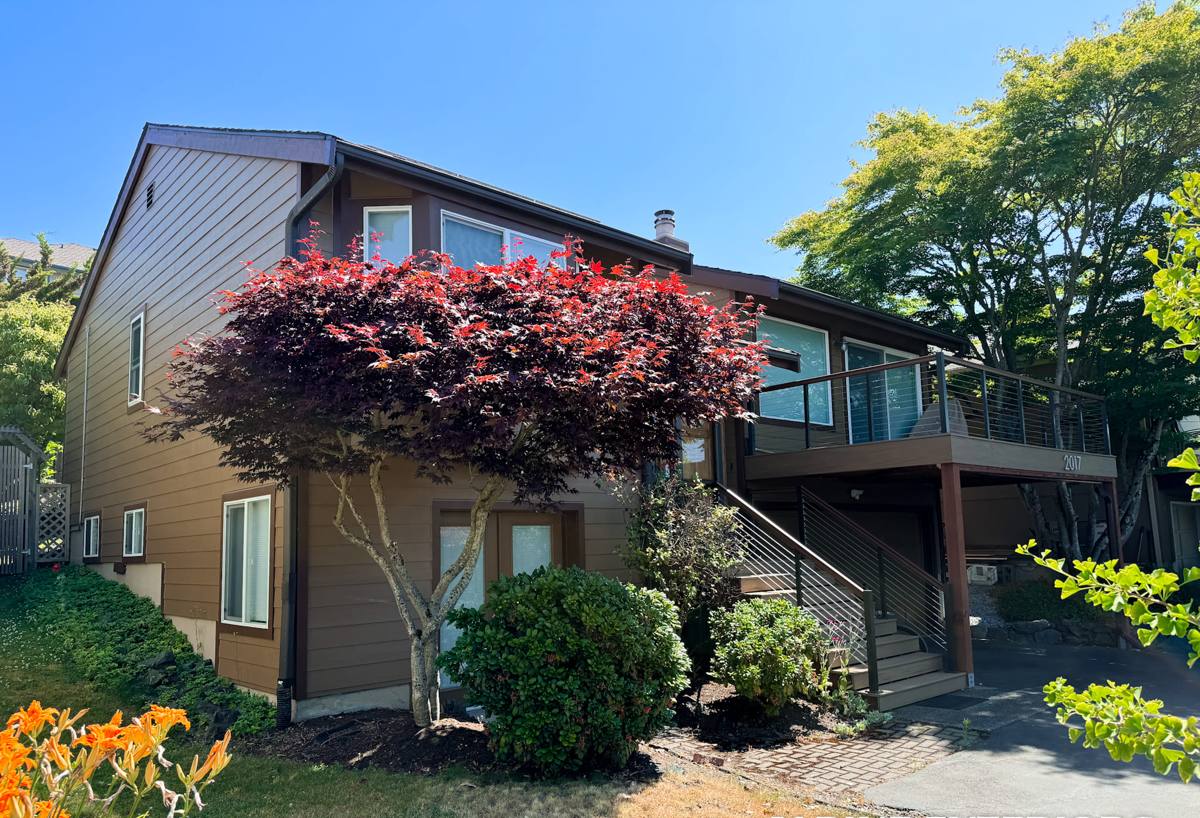
Sudden Valley sits in a corner of Whatcom County that puts extra demands on a roof. The tree canopy around Lake Whatcom holds shade and moisture on roof surfaces long after a storm has passed, and the combination of marine air moving in from the coast, heavy fall and winter rain, and short winter days with limited sun exposure means roofs here age differently than they do in drier parts of the state. A new roof installation in this neighborhood isn't just about swapping old shingles for new ones — it's about building a roof system that's matched to what this specific setting throws at it, year after year.
We install new roofs for homeowners throughout Ferndale and the surrounding Whatcom County communities, including Sudden Valley, and we've seen firsthand how a roof that would hold up fine in a drier, more open neighborhood can struggle here if it isn't detailed correctly. That's the gap we aim to close.
What the Local Climate Does to a Roof
Three conditions matter most for a Sudden Valley roof, and they compound each other.
Salt Air and Coastal Moisture
Whatcom County's proximity to Puget Sound and the Salish Sea means airborne salt and moisture travel inland, especially during wind events. Salt-laden air accelerates corrosion on exposed metal — flashing, fasteners, vents, and gutter hardware — faster than it would inland. Roofing materials and metal components need to be rated for coastal exposure, not just general use.
Driving Rain
This region gets sustained, wind-driven rain rather than short, heavy downpours. Driving rain finds weak points that a straight-down rainstorm never would: it pushes up under shingle tabs, works into poorly lapped flashing, and tests every seam around vents, chimneys, and valleys. A roof detailed for occasional rain isn't the same as one detailed for weeks of sideways rain in November and December.
A Long Moss Season
The tree cover around Sudden Valley — particularly on north-facing slopes and shaded lots near the lake — keeps roof surfaces damp well after the rest of the property has dried out. That extended dampness is exactly what moss and algae need to take hold. Moss isn't just cosmetic: as it grows, it lifts shingle edges, holds water against the roof deck, and shortens the useful life of the roofing material underneath it.
What a Correct New Roof Installation Involves
A new roof is a system, not a single product. Each layer has a job, and skipping or under-building any one of them is where premature failures start.
- Tear-off and deck inspection: Full removal of the old roofing so the deck can be checked for rot, soft spots, or delamination — problems that are invisible from the ground and common on shaded, moisture-prone lots.
- Deck repair: Any damaged sheathing gets replaced before anything new goes down. Installing new roofing over a compromised deck just hides a problem that will resurface.
- Ice-and-water shield at vulnerable zones: Self-adhering membrane at eaves, valleys, and around penetrations gives a second line of defense exactly where driving rain and ice dams are most likely to force water backward.
- Synthetic underlayment: A water-resistant barrier across the full deck, sized and lapped to shed wind-driven rain rather than just vertical rainfall.
- Corrosion-resistant flashing and fasteners: Given the salt air in this region, we favor flashing and fastener materials rated for coastal exposure over standard-grade hardware that corrodes faster here than it would inland.
- Ventilation: Balanced intake and exhaust ventilation controls attic moisture and temperature, which reduces the risk of trapped condensation feeding moss growth and rot from underneath.
- Roofing material matched to shade exposure: On heavily shaded lots we factor moss resistance into the material choice and discuss maintenance expectations up front, rather than treating every roof on the same street as identical.
Comparing Roofing Options for a Shaded, Coastal Lot
There isn't one "correct" roofing material for every Sudden Valley home — sun exposure, tree cover, roof pitch, and budget all factor in. Here's how the common options stack up against this area's specific conditions.
| Material | Moss/Moisture Resistance | Coastal Air Durability | Typical Lifespan (this climate) | Maintenance |
|---|---|---|---|---|
| Standard 3-tab asphalt shingle | Lower — flat profile holds moisture | Moderate, depends on fastener/flashing quality | 15–20 years | Moss treatment and gutter clearing needed more often on shaded lots |
| Architectural (laminate) asphalt shingle | Better airflow under tabs than 3-tab | Good with corrosion-resistant flashing | 20–30 years | Periodic moss/debris removal on shaded roof planes |
| Metal roofing | High — sheds moisture quickly, little surface for moss to grip | Very good with coated, coastal-rated panels and fasteners | 40–50+ years | Low; occasional debris clearing from valleys |
| Synthetic/composite shingle | Good, varies by product | Good with proper flashing detail | 30–40 years | Moderate; check manufacturer moss-resistance rating |
We'll walk through these trade-offs against your specific roof — pitch, tree exposure, and how long you plan to stay in the home — rather than defaulting to one product for every job.
Our Process for a Sudden Valley Roof Replacement
1. On-Site Assessment
We walk the roof and attic, not just the ground-level view. That means checking the deck condition, existing ventilation, flashing points, and how much shade and moss buildup the specific roof planes are dealing with.
2. A Written, Itemized Proposal
You get a clear scope: what's being removed, what's being installed, the specific underlayment and flashing materials, and ventilation changes if needed. No vague line items.
3. Scheduling Around Weather Windows
Roof tear-off exposes your home to the elements, so we plan installation around realistic dry-weather windows for this area rather than rushing a job into a forecast that doesn't support it.
4. Installation and Daily Cleanup
Tear-off, deck repair, underlayment, flashing, and material installation proceed in sequence with the site kept clear of debris and nails at the end of each day.
5. Final Walkthrough
We review the completed roof with you, including ventilation and any maintenance points specific to your roof's shade exposure, before considering the job finished.
Why a Crew That Already Works Sudden Valley Matters
Roofing crews that mostly work drier, more open areas sometimes underestimate what a shaded, coastal-adjacent neighborhood like Sudden Valley requires — lighter-duty flashing, standard fastener grades, or ventilation specs that work fine elsewhere but fall short here. A crew that regularly works Whatcom County properties near the lake and the coast already accounts for salt exposure, driving rain, and moss-prone shade in how they detail a roof, instead of treating it as an afterthought or an upcharge.
Local familiarity also means a more accurate estimate the first time. We know what tree cover and roof orientation typically mean for a home in this area, which reduces surprises once tear-off exposes the deck.
Signs Your Sudden Valley Roof May Need Replacement, Not Repair
- Shingles that are cupping, curling, or missing granules across large sections rather than one isolated spot
- Moss growth that returns quickly after cleaning, especially on north-facing or heavily shaded planes
- Soft or spongy decking felt underfoot, or sagging visible from the ground
- Daylight visible through the roof deck from inside the attic
- Water stains on interior ceilings that reappear after rain events
- A roof approaching or past the upper end of its material's expected lifespan, combined with any of the above
One or two of these on their own might point to a targeted repair. Several together, especially on a roof that's already older, usually mean replacement is the more cost-effective path.
Cost Factors for a New Roof in This Area
Every roof is different, so we won't quote a number without seeing the job, but the factors that most commonly move the price for Sudden Valley homes are:
- Roof size and number of planes, valleys, and penetrations (vents, chimneys, skylights)
- Deck condition — whether sheathing repair is needed once the old roofing is removed
- Material choice, from standard asphalt shingle up through metal or premium synthetic options
- Ventilation upgrades needed to bring an older attic system up to a proper balanced setup
- Access and pitch, since steep or heavily treed lots take more time and care to work safely
If you're comparing quotes, make sure each one specifies the same underlayment, flashing, and ventilation scope — a lower number that skips ice-and-water shield or downgrades flashing isn't actually the same job.
Get a Free, No-Pressure Estimate
If your Sudden Valley roof is showing its age, dealing with persistent moss, or you just want an honest read on where it stands, we're happy to take a look. Fill out the form below for a free estimate — no pressure, just a straight assessment from a crew that knows what this neighborhood's climate asks of a roof.