 Ferndale
 Siding Installation Built for Sumas, Not Just Sold to Sumas
Sumas is a different kind of property than most of what we work on closer to the water. It sits out on the flat, low-lying farmland of the Sumas Prairie, hard against the Canadian border, in terrain that behaves differently than a hillside lot or an in-town Ferndale block. A siding installation done right here has to account for that from the first measurement to the last bead of caulk — not just the product that goes on the wall, but how it's fastened, flashed, and finished to hold up on a flat valley property that sees a lot of sustained weather over the course of a year.
We install James Hardie fiber cement siding exclusively, on every job we take on in Sumas and across the rest of our Whatcom County service area. This page walks through what that installation actually involves, what the local climate demands from it, and why the crew doing the work matters as much as the material itself.
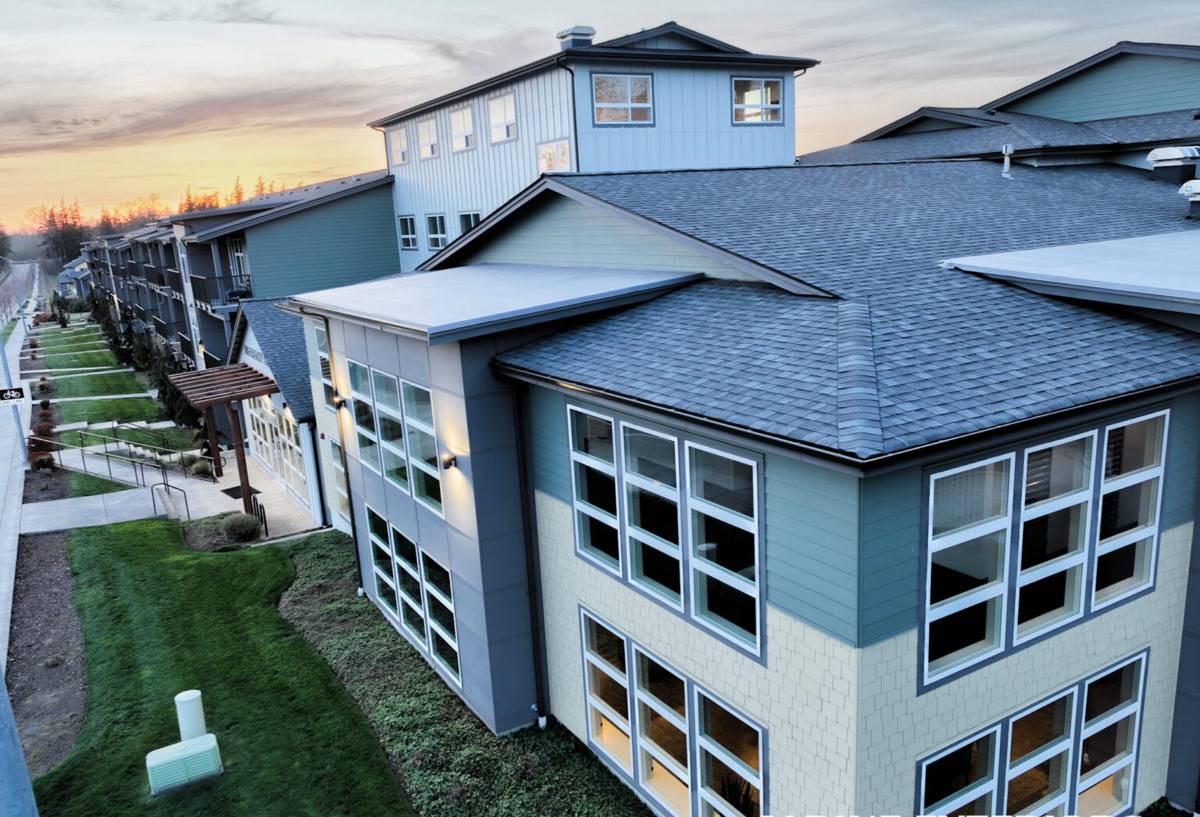
What Sumas' Climate Asks of a New Siding Installation
Driving Rain Across an Open Valley Floor
Closer to Bellingham Bay, homes deal with salt-tinged marine air on top of everything else. Sumas sits far enough inland that salt exposure isn't the main concern here — but the driving rain that defines this whole region still is. Storms move through the valley and push rain sideways into wall assemblies rather than letting it fall straight down and run off, and on flat, open farmland there's nothing to break that wind before it hits a house. An installation that only accounts for rain falling from above, instead of rain arriving from the side, tends to show water problems first at lap joints, corners, and anywhere flashing was treated as an afterthought.
A Long Moss and Mildew Season
The same persistent dampness that runs through this whole region gives Sumas a moss and mildew season that stretches across much of the year, especially on shaded and north-facing walls. That matters at the installation stage, not just for upkeep afterward — clearance from grade, ventilation behind the cladding, and how tightly joints are sealed all affect how much moisture a wall assembly is exposed to in the first place. A job installed without those details in mind gives moss and mildew a head start it never really loses.
Border Wind and Freeze-Thaw Cycling
Sumas' position at the head of the valley near the border means it catches cold outflow wind events more often than towns further west toward the water, along with harder frosts in winter. Both add real stress to a siding installation: wind load that a fastening schedule has to be built for, and freeze-thaw cycling that punishes any water that's found its way into a wall assembly through a gap or an unsealed joint. None of this is exotic weather for Whatcom County, but it's a heavier load than a calmer, more sheltered site would put on the same materials.
What a Correct Siding Installation Actually Involves
The material is only half the job. A James Hardie installation that performs the way the product is engineered to requires a fastening pattern matched to the exposure the wall actually sees, proper clearance from grade and rooflines so siding isn't wicking up moisture from a wet valley floor, joints that are lapped and sealed rather than butted and caulked over, and a weather-resistive barrier and flashing system doing the real work of shedding water — not relying on sealant to cover for a shortcut underneath. On a flat, low-lying property that holds moisture longer than well-drained ground, skipped steps here tend to surface fast, sometimes within a single wet season rather than years down the road.
Cut edges matter too. Every piece of Hardie siding that gets field-cut needs the cut edge sealed before it goes up, since the factory finish that protects the rest of the board doesn't extend to a fresh cut made on site. It's a small step that's easy to skip when a crew is moving fast, and one of the more common reasons a Hardie installation ages poorly despite the product itself being sound.
Our Installation Process, Step by Step
Every Sumas job follows the same sequence, adjusted for the specific house and what we find once the old siding comes off:
- Site walk and measurement: We look at wall orientation, existing moisture or rot signs, grade clearance, and anything specific to a rural or agricultural property before ordering material.
- Tear-off and substrate repair: Old siding comes off down to the sheathing, and any rotted or delaminated wood we find underneath gets replaced before anything new goes up. This step is where hidden problems from years of trapped valley moisture usually show themselves.
- Weather-resistive barrier and flashing: A new house wrap goes on, and every window, door, and penetration gets flashed and lapped shingle-fashion so water is directed outward and down, never trapped behind the cladding.
- Installing the Hardie siding: Fastening follows a pattern matched to this area's wind exposure, with correct clearance from grade and joints treated to shed wind-driven rain rather than collect it.
- Trim, caulking, and touch-up finish: HardieTrim goes in at corners, windows, and fascia, cut edges get sealed, and any field cuts are touched up to match the factory finish.
- Final walkthrough and cleanup: We walk the completed job with you, point out anything worth knowing for the years ahead, and clear the site of debris and old material.
Matching the Hardie System to a Sumas Installation
Sumas properties range from standard single-family homes to larger lots with outbuildings and shops, and the right Hardie product depends on where it's going and what it's protecting.
| Product | Where It Goes | Installation Note for This Area |
|---|---|---|
| HardiePlank lap siding | Primary wall field on most homes | Correct overlap and blind-nailing are what actually shed wind-driven rain off a flat, exposed lot — not the profile alone |
| HardiePanel vertical siding | Gables, accent walls, and outbuildings or shops common on larger properties | Vertical seams need battens or fully flashed and sealed joints to hold up under driving rain |
| HardieTrim boards | Corners, window and door casing, fascia | Factory-primed faces still need field-sealed cut ends — the detail most often rushed |
| HardieSoffit panels | Eaves and overhangs | Vented profiles let the wall assembly breathe without giving wind-driven rain a way in |
Color and profile come down to the homeowner's preference, but the underlying product family and how it's detailed for this specific exposure don't change from house to house.
Why We Only Install James Hardie
We used to offer a wider range of siding products before standardizing on one system. For an installation crew, that decision comes down to what we can stand behind after the truck pulls away. Fiber cement doesn't feed a fire the way wood-based siding can. Hardie's ColorPlus finish is baked on at the factory rather than brushed on in the field, so it resists fading and moisture intrusion far longer than site-applied paint. The HZ product lines are engineered specifically for regions with sustained moisture exposure and freeze-thaw cycling, which describes a Sumas property well. And Hardie backs its products with a strong transferable warranty, provided the installation follows spec — which is exactly what our process is built around.
We don't install LP SmartSide, vinyl siding, Cemplank, Allura, primed spruce, or cedar. Each has a place in the broader market and plenty of satisfied homeowners elsewhere. But we made a professional call that one system, installed correctly every time, is worth more than offering a cheaper option that quietly shifts maintenance risk onto the homeowner a few years down the road — especially in a valley climate that doesn't forgive shortcuts.
Installation Mistakes We Design Around
Most siding failures we get called out to inspect trace back to installation, not the material itself. The patterns repeat often enough to be predictable: fastening schedules copied from a milder climate instead of matched to this area's wind exposure, house wrap installed but not actually lapped correctly at seams, flashing treated as a formality around windows instead of the primary water-management layer it's supposed to be, and siding installed tight to grade with no clearance on a lot that already holds moisture longer than well-drained ground. Every one of those is avoidable at the install stage, and every one is expensive to fix once the wall assembly behind the siding has already taken on water.
Why a Crew That Already Works in Sumas Matters
A crew that installs siding in Sumas regularly knows things a general installer working here for the first time doesn't: which wall orientations stay wet longest on a flat valley lot, how much extra attention outflow wind events deserve in the fastening schedule, and where rural and agricultural properties need different staging and access planning than an in-town job. That experience shows up in decisions made on install day, not in anything you'd notice from a spec sheet — and it's the difference between a job that holds up through its first hard winter and one that calls the crew back.
Before Your Installation Starts
- Clear planting beds, hoses, and anything stored against exterior walls so crews have full access
- Move vehicles and equipment away from the driveway or staging area, especially on rural properties with tighter access
- Note any past leaks, soft spots, or water stains so we can check those areas closely during tear-off
- Check any HOA or covenant requirements on siding color or style before final selections are made
- Plan for pets and kids to stay clear of the work area during active installation days
- Flag any window or door trim you'd like matched or reordered so measurements are taken before old material comes off
What to Expect When You Call Us
We'll walk the property, look at existing siding and trim condition, and give you a straightforward read on what the job actually involves for a house in this specific location — not a generic estimate pulled from a price sheet. If your Sumas home needs a full siding installation, or you just want an honest second opinion on what a wall is dealing with underneath, we're glad to take a look. Reach out using the form below for a free, no-pressure estimate.