 Ferndale
 Roofing Built for Kendall's Wet, Mossy Climate
Kendall sits inland from Ferndale, backed up against tree line and open pasture in Whatcom County, but that distance from the water doesn't buy your roof a break. The same weather system that pushes salt air and driving rain across the county keeps Kendall roofs damp for months at a time. Add heavy tree cover in a lot of yards out here, and you get a long moss season that can run from late fall clear into spring. A roof in this area isn't just shedding rain — it's fighting constant moisture, shade, and organic growth almost year-round.
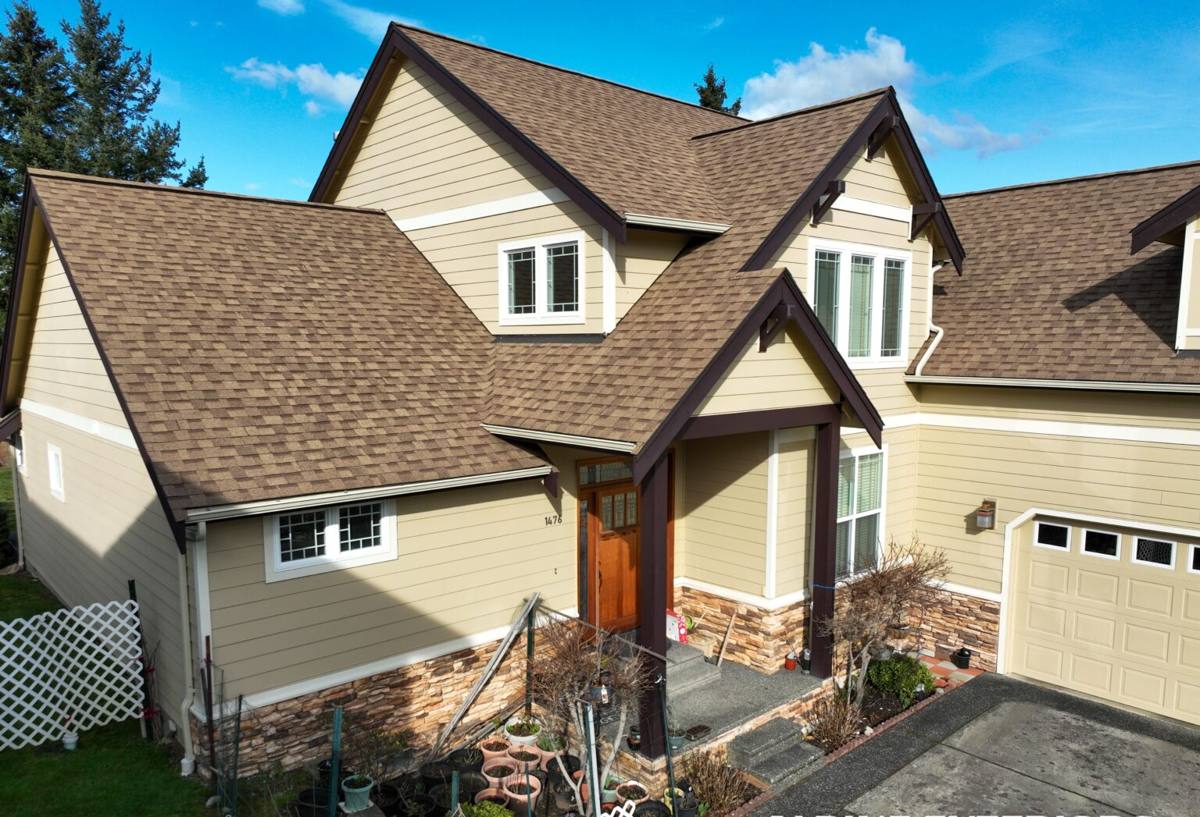
Asphalt shingle roofing remains the right call for most Kendall homes because it's durable, repairable, and cost-effective when it's installed correctly for this climate. The problem is that "correctly for this climate" is doing a lot of work in that sentence. A shingle roof installed the same way you'd install one in a dry inland climate will underperform here — moss will take hold faster, valleys will hold water longer, and ventilation gaps will trap moisture in the attic. This page covers what a properly built asphalt shingle roof looks like for a Kendall property, and why the details matter more here than they would somewhere drier.
What Kendall's Weather Actually Does to a Roof
Three things drive most of the roofing problems we see in this part of Whatcom County:
- Persistent moisture. Long stretches of rain and overcast skies mean shingles rarely get a full dry-out period. Moisture sits in valleys, under debris, and in shaded sections of roof for days at a time.
- Shade and tree debris. Kendall's tree-covered lots keep parts of many roofs in shade most of the day. Shade plus moisture is exactly what moss and algae need to establish themselves.
- Wind exposure. Storms moving through the valley can produce sustained gusts, especially on roofs with open exposure or steep pitch. Shingles that aren't nailed and sealed correctly are the first thing to lift or blow off.
None of these are exotic problems — they're the same forces every roof in this part of Washington deals with. But they compound. A roof that's shaded, damp, and exposed to wind needs every layer of the system working correctly, because there's no margin for a shortcut.
What a Correct Asphalt Shingle Job Involves
Asphalt shingles are only as good as what's underneath them. A shingle is the visible layer, but it's one part of a system that has to work together to keep water out.
Tear-off vs. overlay
We tear off old roofing rather than layering new shingles over old ones. An overlay hides problems instead of fixing them — soft decking, trapped moisture, and failed flashing all stay buried under the new layer. Tear-off lets us inspect the deck, replace any damaged sheathing, and start the new roof on a solid, dry surface.
Underlayment and ice-and-water protection
We install synthetic underlayment across the full roof, with self-adhering ice-and-water shield at eaves, valleys, and any roof-to-wall transitions — the spots where water is most likely to back up or run sideways under normal conditions. In a climate with as much sustained rain as Kendall gets, this layer is not optional; it's the backup system that protects the deck if wind-driven rain gets under a shingle.
Flashing
Chimneys, skylights, sidewalls, and roof valleys all need metal flashing, not just shingle overlap and roofing cement. Cement is a temporary patch, not a permanent seal — it dries out and cracks over time. Properly formed and step-flashed metal is what actually keeps water from working its way behind siding or into a chimney chase.
Nailing pattern
Shingles have to be nailed in the manufacturer's specified nail zone, with the correct number of nails per shingle. In wind-exposed sections common to this area, that often means six nails per shingle instead of the standard four — a detail that's easy to skip and impossible to see once the roof is finished, but it's the difference between shingles that survive a windstorm and shingles that don't.
Ventilation
Intake at the eaves and exhaust at the ridge keep air moving through the attic, which controls both heat and moisture. Skip this step and you get trapped humidity that shortens the life of the decking from underneath, even while the shingles up top look fine.
Choosing a Shingle for Kendall's Conditions
Not every asphalt shingle is built the same way, and the differences matter more in a shaded, damp climate than they would somewhere dry and sunny. The biggest factor for this area is algae resistance — most quality shingle lines now include copper-infused granules specifically to slow algae and moss growth, and it's worth paying for on a Kendall roof.
| Shingle Type | Typical Lifespan | Wind Rating | Best Fit For |
|---|---|---|---|
| 3-tab (economy) | 15-20 years | Lower | Budget-driven projects, outbuildings, rentals |
| Architectural / dimensional | 25-30 years | Moderate to high | Most Kendall homes — the standard recommendation |
| Premium / designer | 30+ years | High | Steep-slope, high-visibility, or shade-heavy roofs where moss resistance matters most |
For most Kendall properties, we recommend architectural shingles with algae-resistant granules as the baseline, not the upgrade. The added cost over a 3-tab shingle is modest relative to the roof's total price, and the extra durability and moss resistance pay for themselves over the life of the roof, especially on shaded sections.
What Actually Drives the Cost of a Kendall Roof
Every roof is priced on its own specifics, but the factors below are what move the number up or down on most jobs we see in this area.
| Factor | Why It Matters |
|---|---|
| Roof pitch and complexity | Steep or cut-up roofs (multiple valleys, dormers, hips) take longer and require more flashing detail |
| Number of tear-off layers | Removing two layers of old roofing costs more in labor and disposal than removing one |
| Decking condition | Soft or rotted sheathing found during tear-off needs to be replaced before new roofing goes down |
| Shingle tier | Architectural and premium shingles cost more per square than 3-tab, but last longer and resist moss better |
| Ventilation upgrades | Adding proper ridge and soffit venting where none currently exists adds labor but pays off in attic and shingle life |
| Access and site conditions | Tree cover, steep driveways, and tight lot access common in Kendall can affect staging and cleanup time |
We walk every roof and give a written estimate that breaks these factors down, so you know exactly what you're paying for and why — not a single lump number with no explanation behind it.
Signs Your Kendall Roof Needs Attention
Because so much roof damage here starts underneath the shingles, by the time there's an active leak inside the house, the underlying problem has usually been developing for a while. Watch for:
- Moss or dark streaking building up on shaded slopes, especially north-facing sections
- Granules collecting in gutters or at the base of downspouts
- Shingles that look curled, cupped, or lifted at the edges
- Soft or spongy spots when walking the roof (we check this — homeowners shouldn't)
- Daylight visible through the attic decking, or damp insulation
- Rusted or lifting flashing around chimneys, vents, or skylights
- A roof that's 20+ years old and has never had a full inspection
Any one of these on its own might be minor. Several together usually mean it's time for a closer look before a small problem becomes a decking repair or an interior leak.
Moss and Algae: Managing It Without Damaging the Roof
Moss is the most visible sign of Kendall's climate on a roof, and it's tempting to deal with it aggressively — pressure washing or scraping it off. We don't recommend either. Pressure washing strips granules and can force water up under shingles; scraping can lift shingle edges and break the seal strip that keeps them locked down in wind. The better approach is gentle removal with the right tools, combined with zinc or copper strips at the ridge that release trace metal ions with every rain to slow regrowth over time. Keeping nearby branches trimmed back so more light and airflow reach the roof also helps — moss needs shade and standing moisture to thrive, and reducing either one slows it down.
Algae-resistant shingles help from day one, but no shingle is completely moss-proof in a climate this wet and shaded. Periodic gentle cleaning and good airflow are part of normal roof maintenance out here, not a sign that something went wrong with the installation.
Our Process, Start to Finish
- Inspection and estimate. We walk the roof, check the attic for ventilation and moisture issues, and give you a written, itemized estimate — no pressure, no surprise add-ons later.
- Material selection. We go over shingle options and colors together, with an honest recommendation based on your roof's pitch, shade exposure, and budget.
- Tear-off and deck inspection. Old roofing comes off down to the deck, which we inspect and repair as needed before anything new goes down.
- Underlayment, flashing, and ventilation. Ice-and-water shield, synthetic underlayment, new flashing, and proper intake/exhaust venting go in before a single shingle is installed.
- Shingle installation. Installed to manufacturer specification and code-required nailing pattern for this area's wind exposure.
- Cleanup and magnetic sweep. Full site cleanup, including a magnetic nail sweep of the yard and driveway.
- Final walkthrough. We review the finished roof with you and go over warranty paperwork before we consider the job done.
Why It Matters to Hire a Crew That Already Works in Kendall
Roofing crews that mostly work in drier climates, or who treat every job the same regardless of location, tend to under-spec ventilation and skip the extra flashing detail that a damp, shaded climate demands. A crew that regularly works Whatcom County's rural and semi-rural areas knows to plan around tree cover, steep or long driveways, and the reality that a roof here needs to shed water and resist moss for years without constant upkeep from the homeowner. That local familiarity shows up in small decisions — where to add extra ice-and-water shield, which valleys need closed-cut versus open metal treatment, how much ventilation a shaded roof actually needs — that don't show up on a spec sheet but make a real difference in how the roof performs five and ten years down the road.
If your roof in Kendall is showing moss, curling shingles, or granule loss, or you're just past due for an honest inspection, we're glad to take a look. Reach out for a free, no-pressure estimate using the form below — we'll walk the roof, explain what we find, and give you a straight answer on what it needs.