 Ferndale
 Storm Damage Roof Repair for Marietta Homes
Marietta sits close to the water on the northwest edge of Whatcom County, near Ferndale and the bay, and that location puts local roofs in the direct path of weather that inland homes rarely see at the same intensity. Storms here don't just drop rain — they push it sideways on real wind, carry salt-tinged air off the water into every fastener and flashing joint, and hand off to a moss season that runs long enough to keep a damaged roof wet almost year-round. After a storm blows through, the roof damage on a Marietta home is often a combination of all three factors working on each other, not a single clean problem, which is exactly why storm damage repair here needs to be handled by a crew that understands the whole picture rather than just patching the obvious hole.
We handle roofing, siding, windows, and decks for homes throughout the Ferndale area, including Marietta, and storm damage repair is one of the calls we get most often after a hard blow off the water. This page walks through what actually happens to a roof in a storm here, how a correct repair is done, and what to expect if you call us after a bad one.
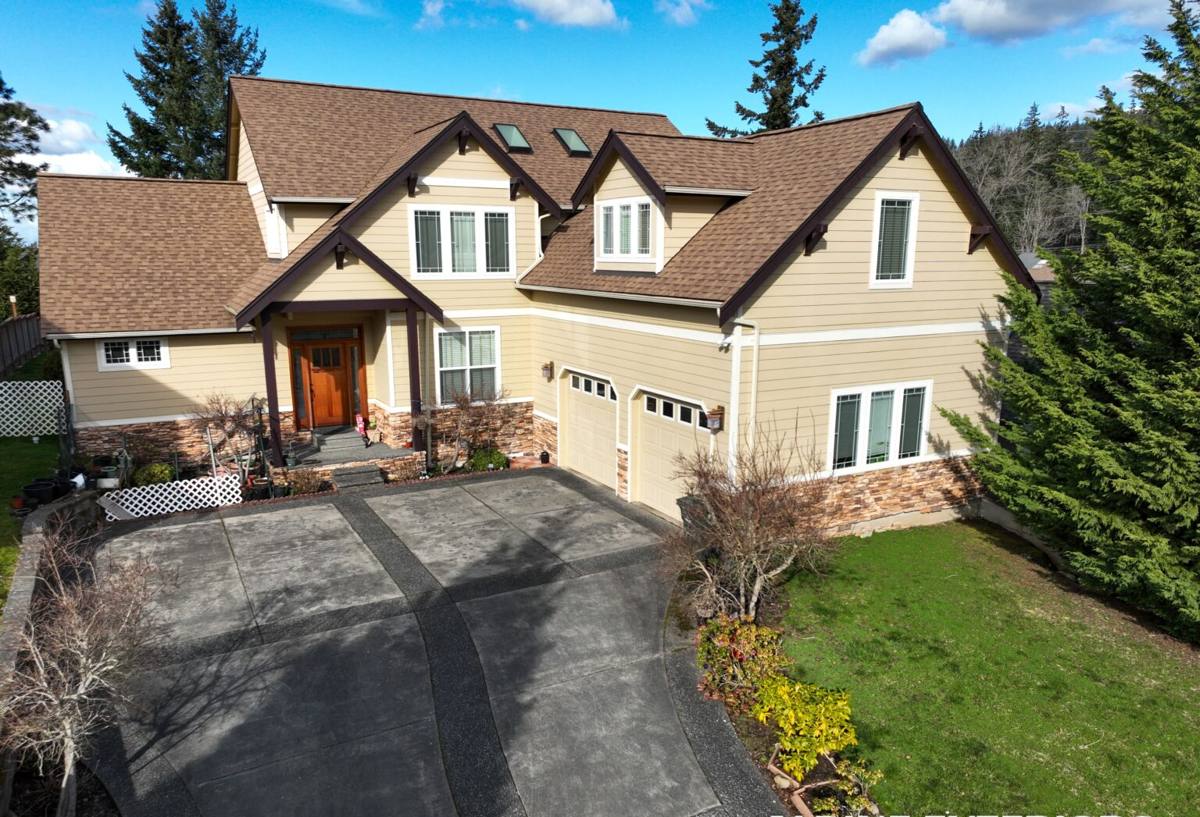
What a Marietta Storm Actually Does to a Roof
Wind-Driven Rain
A storm moving through this part of Whatcom County typically arrives with real wind behind the rain, not just steady vertical rainfall. That wind pushes water sideways and even upward under shingle tabs, along ridge caps, and into any flashing joint that isn't lapped and sealed correctly. A roof that would shed a calm, straight-down rain without issue can still take on water during a wind event if a shingle tab has lifted, a nail has backed out, or flashing around a vent or chimney has started to separate. That's why storm damage on a Marietta roof often shows up as an interior leak in a spot that has nothing to do with where the visible exterior damage is — the water traveled sideways under the roofing material before it found a way in.
Salt Air and Corrosion
Marietta's proximity to the water means the air itself carries more salt than it does further inland, and that salt accelerates corrosion on exposed metal — nail heads, flashing, gutter hardware, and any lower-grade fasteners used in a prior repair. Corroded fasteners lose their grip on shingles and flashing well before they look obviously rusted from the ground, which means a roof here can develop weak points that a storm's wind then exploits. This is one of the reasons storm damage on a coastal Whatcom County roof can look more severe than the same wind event would cause on a drier, inland property — the underlying hardware was already compromised.
A Long Moss and Moisture Season
Whatcom County's mild, wet climate gives moss and algae a growing season that stretches across most of the year, especially on shaded or north-facing roof slopes. Moss doesn't cause storm damage directly, but it makes storm damage worse in two specific ways: it holds moisture against shingles and decking long after a storm passes, slowing drying and encouraging rot, and it can lift shingle edges just enough to give wind-driven rain an easier path underneath during the next storm. A roof that's been carrying moss growth for a season or two is more vulnerable to storm damage than a clean one, even if the shingles themselves are the same age.
Recognizing Storm Damage on a Marietta Roof
Some storm damage is obvious from the ground. A lot of it isn't, and the damage that isn't obvious is usually what causes the most expensive problems if it goes unaddressed through a wet Whatcom County winter.
- Missing shingles, or shingles that have visibly shifted out of their original line
- Shingle tabs that are cracked, curled, or torn at the edge from wind uplift
- Granules collecting heavily in gutters or at downspout outlets after a storm
- Dented, bent, or lifted flashing around chimneys, vents, or skylights
- Bent or torn gutters and downspouts, or fasteners pulled loose from fascia
- New water staining on ceilings or interior walls following a wind event
- Debris — branches, needles, or larger limbs — resting directly on the roof surface
- Soft or spongy spots when the roof is walked, indicating trapped moisture below
Any single item on that list can sometimes wait for a scheduled repair. Several of them together, or any sign of active interior water intrusion, means the roof needs an inspection soon rather than after the next storm adds to the damage.
What to Do in the First 24 to 48 Hours
How a homeowner handles the first day or two after a storm has a real effect on how much a repair ends up costing. Water that sits on exposed decking or soaks into insulation for a week does more damage than the same leak addressed the day it happens.
- Stay off the roof yourself, especially in wet or windy conditions — this is exactly the kind of fall risk professional crews carry safety equipment and training for
- Photograph visible damage from the ground and from inside near any active leak, before cleanup or tarping changes what's visible
- Move furniture and belongings away from any active interior leak and contain dripping water with a bucket or tarp
- Call for a temporary tarp-over on any exposed decking or open shingle area — this is a short-term fix meant to stop water intrusion until a proper repair can be scheduled, not a substitute for the repair itself
- Contact your homeowner's insurance carrier to open a claim if the damage looks significant, and keep photos and any contractor documentation together for the adjuster
What a Correct Storm Damage Repair Involves
Storm damage repair isn't just about replacing whatever shingles are visibly missing. A proper repair traces the damage back to its actual extent — including decking, underlayment, and flashing that may look fine from above but have already taken on moisture — and fixes the whole path the water took, not just the entry point.
| Type of Damage | What a Proper Repair Involves | Why It Matters in This Climate |
|---|---|---|
| Missing or torn shingles | Matching replacement shingles installed with correct nailing pattern and exposure | Mismatched or under-nailed shingles are the next storm's weak point |
| Lifted or damaged flashing | Full flashing replacement at the affected joint, not caulk over the old piece | Caulk fails faster than proper flashing under sustained wind-driven rain |
| Wet or soft decking | Removal and replacement of any decking that's absorbed moisture, before new roofing goes down | Roofing installed over wet decking traps moisture and accelerates rot underneath |
| Gutter and downspout damage | Re-hanging or replacing damaged sections with corrosion-resistant hardware | Salt air shortens the service life of lower-grade fasteners and hardware |
| Moss-compromised areas | Moss and debris removal, treatment, and inspection of shingles underneath before repair | Moss holds the moisture that turns minor storm damage into rot |
We inspect the full roof after a storm, not just the section where the damage is visible, because wind-driven damage on one slope often means the whole roof took stress from the same event.
Repair vs. Full Replacement
A lot of storm damage on a Marietta roof can be repaired without a full tear-off — a section of shingles, a flashing detail, or a damaged ridge cap can often be matched and replaced cleanly if the rest of the roof is in reasonable shape. But if the roof was already near the end of its service life, has widespread moss damage, or the storm exposed decking rot that's spread beyond the immediate area, a repair can end up being a short-term fix on a roof that needs replacing anyway. We'll tell you honestly which situation you're looking at rather than defaulting to whichever job is bigger.
Working Through the Insurance Process
Most storm damage repairs on homes in this area involve a homeowner's insurance claim, and having a contractor who documents damage clearly helps that process go smoother. We photograph and describe the damage in detail, provide a written scope and estimate an adjuster can review, and are available to meet an adjuster on-site if that's useful. We work for the homeowner, not the insurance company, and our job is to make sure the scope of repair reflects what the roof actually needs — not just what's easiest to approve.
Cost Factors for Storm Damage Repair in Marietta
| Factor | What It Affects | Why It Matters Here |
|---|---|---|
| Extent of decking damage | Whether repair stays surface-level or requires tear-off of affected sections | Coastal moisture speeds up decking rot once water gets underneath roofing material |
| Roof age and prior moss history | Whether a targeted repair holds up or a fuller replacement makes more sense | An older, moss-affected roof is more likely to have widespread hidden weak points |
| Flashing complexity | Labor time around chimneys, vents, and skylights | Wind-driven rain finds flashing gaps faster than a calmer, drier climate would expose them |
| Material availability and match | Whether existing shingles can be matched or a larger section needs replacing | Older or discontinued shingle lines sometimes can't be matched exactly |
| Access and roof pitch | Labor time, staging, and safety equipment needs | Wet, mossy roof surfaces near the water require extra care and slower, safer work |
We give a real number after walking the roof in person and, where relevant, the attic underneath it — not a phone estimate based on a general description of the damage.
Why a Local Crew Matters After a Storm
A crew that already works in Marietta and the surrounding Ferndale area knows how wind off the water behaves on a real roof here, not just how a shingle performs on a manufacturer spec sheet. That experience shows up in practical decisions during a repair: which flashing details tend to fail first in this exposure, how far moss damage typically extends beyond what's visible, and which fastener and material choices actually hold up to salt air over the following winters rather than needing a repeat repair after the next storm. It also means a faster response when it matters — after a significant wind event, roofs across the whole area tend to need attention at once, and a local crew already familiar with the area's homes and typical construction can move through inspections and repairs more efficiently than a company driving in from farther away.
What to Expect When You Call Us
- A prompt response after a storm, with temporary tarping available if the roof has active water intrusion
- A full roof inspection, not just a look at the obviously damaged section
- Clear photos and documentation you can use for an insurance claim
- An honest recommendation on repair versus replacement, explained in plain terms
- A written estimate before any work begins, with no pressure to sign on the spot
If your Marietta home has storm damage — or you just want a roof checked out after a bad wind event to be sure nothing's been compromised — we're glad to take a look. Reach out using the form below to schedule a free, no-pressure estimate.