 Ferndale
 Building a Deck That Can Actually Handle Birch Bay
Birch Bay sits right up against the water, and that changes what a deck has to survive. A deck built the same way you'd build one twenty miles inland in Ferndale or Lynden won't last as long out here. Salt-laden air off the bay works on metal fasteners and connectors year-round. Wind-driven rain gets pushed sideways into joints and ledger connections that a calmer site would never test. And the deep shade, moisture, and mild temperatures that make Whatcom County so green also make moss and algae grow on anything horizontal that doesn't drain and dry properly. None of this means you can't have a great deck in Birch Bay — it means the deck has to be designed and built with that environment in mind from the framing up, not just at the surface.
We build custom decks for homes throughout Ferndale and the surrounding Whatcom County coastline, and Birch Bay projects get their own set of decisions before we ever cut a board.
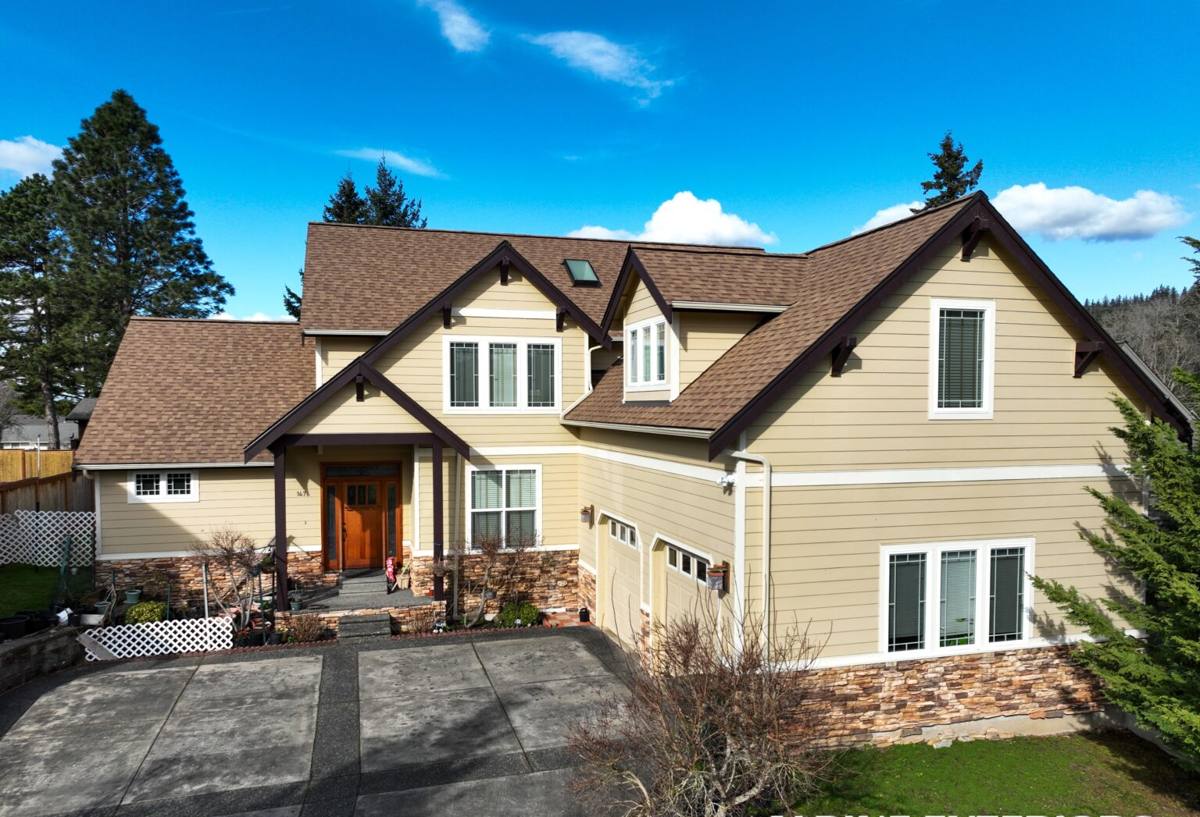
What Birch Bay Conditions Actually Do to a Deck
It helps to understand the specific stresses at play, because they drive almost every material and construction decision below.
Salt Air and Corrosion
Airborne salt from the bay accelerates corrosion on anything metal — fasteners, joist hangers, post bases, railing hardware. Standard galvanized fasteners that would be fine well away from the water can start rusting and staining decking boards within a few seasons this close to the shoreline.
Wind-Driven Rain
Storms coming off the water don't just fall straight down — they drive rain sideways into the house-to-deck connection, under railing posts, and into any gap that isn't properly flashed. The ledger board, where the deck attaches to the house, is the single most common point of water intrusion on any deck, and it's under more pressure here than on a sheltered inland lot.
Moss, Algae, and Prolonged Dampness
Whatcom County's long wet season means decking surfaces, especially shaded ones or those close to the ground, stay damp for extended stretches. That moisture is exactly what moss and algae need. Board spacing, airflow underneath the deck, and surface texture all affect how much of a moss problem you'll be dealing with two or three years in.
Framing, Fasteners, and Footings Built for the Coast
The parts of a deck you never see after it's finished are the parts that determine how long it actually lasts near the water.
- Stainless steel or heavy-duty coated fasteners and structural connectors, sized appropriately for a marine-influenced environment rather than a standard interior-grade galvanized spec
- Proper ledger board flashing where the deck meets the house, with the flashing lapped correctly to shed water away from the wall sheathing
- Joist tape or comparable moisture barriers on top of framing lumber to slow rot at the fastener penetration points
- Footings sized and placed to local frost depth and soil-bearing requirements, not just poured to "what's always worked"
- Post bases that keep wood posts elevated off concrete so they aren't sitting in standing water after a heavy rain
- Adequate gapping between boards and enough clearance under the deck for real airflow, so surfaces dry out between storms instead of staying damp
None of this is visible once the decking is down, which is exactly why it's worth asking a contractor about before the first post goes in the ground.
Choosing a Decking Material for This Climate
There's no single "correct" decking material for Birch Bay — it depends on how much upkeep you want to take on, your budget, and how exposed the deck is to sun, shade, and salt spray. Here's how the common options actually compare in this environment.
| Material | How It Handles Salt Air & Moisture | Moss Resistance | Upkeep |
|---|---|---|---|
| Cedar | Naturally rot-resistant, but needs sealing or staining to keep performing over time | Moderate — needs regular cleaning in shaded, damp spots | Annual cleaning, periodic re-staining or sealing |
| Pressure-Treated Lumber | Good structural durability when properly fastened; surface still needs protection | Moderate — same cleaning needs as cedar | Annual cleaning, periodic staining/sealing |
| Composite Decking | Very good — doesn't absorb moisture or rot; hardware still needs to be corrosion-resistant | Better on capped/textured boards; still needs occasional washing | Occasional washing, no staining or sealing |
| PVC Decking | Excellent moisture resistance, fully synthetic | Good, especially on lighter colors and textured surfaces | Lowest — occasional washing only |
For homes with heavy shade or close proximity to the water, we often steer clients toward composite or PVC boards specifically because they don't wick moisture into the board's core the way wood can. That's not a knock on wood — a well-maintained cedar deck can look great for years — it's just an honest trade-off between upfront cost and how much maintenance you're willing to keep up with. Brands like Trex and TimberTech are common composite choices; we're happy to walk through samples and warranty terms for whichever manufacturers fit your budget and style.
Railings and Hardware That Won't Rust Streak Your Deck
Railings take direct salt exposure and often get overlooked in the material decision. Powder-coated aluminum and stainless cable systems generally hold up better near the water than standard mild-steel components, which can develop rust streaks that run down onto the decking below. Wood railings work fine too, but the fasteners and any metal balusters or connectors should be upgraded the same way the framing hardware is — standard-grade hardware is where corrosion problems usually start first, well before the boards themselves show any wear.
Permits and Building to Code in Whatcom County
Most new decks and significant deck replacements in and around Ferndale and Whatcom County require a building permit, and elevated decks typically need engineered footings and guardrail details that meet current code — especially decks over a certain height off grade. Waterfront and near-shore properties in Birch Bay can also carry additional setback or shoreline considerations depending on the specific parcel. We handle the permit application and inspection process as part of the build, but it's worth knowing upfront that a "quick weekend deck" on a Birch Bay lot usually still needs to go through the same permitting steps as anywhere else in the county.
Our Process for a Birch Bay Deck Build
- On-site assessment — we look at sun and wind exposure, drainage, existing structure (if replacing a deck), and how close the site is to the water
- Design and material selection — sizing, layout, railing style, and decking material chosen for your budget and how much maintenance you want long-term
- Permitting — we prepare and submit what the county requires, including engineering details for elevated structures
- Framing and hardware installation — footings, framing, flashing, and corrosion-resistant fasteners installed to the standards outlined above
- Decking, railing, and finish work — boards, railings, stairs, and any lighting or finish details installed and inspected
- Final walkthrough — we go over care and cleaning specific to the material you chose, so you know what upkeep actually looks like
Keeping Moss and Salt From Winning Long-Term
Even a well-built deck needs some ongoing attention in this climate. A simple seasonal rinse-down, keeping gutters and downspouts clear so runoff isn't pooling near the deck, and trimming back vegetation that's shading the surface all go a long way toward keeping moss from getting established. Composite and PVC decks need less of this than wood, but "low maintenance" isn't "no maintenance" for any material sitting this close to the bay.
Signs Your Current Deck Is Losing the Battle With the Elements
- Rust streaks running down from fasteners, hinges, or railing hardware
- Soft or spongy spots in the decking, especially near the ledger board or stair stringers
- Persistent green or black growth that comes back within weeks of cleaning
- Gaps or separation where the deck meets the house siding
- Railing posts that feel loose or flex more than they used to
Any of these are worth a professional look before they turn into a structural repair instead of a maintenance item.
Why It Matters That We Already Work in Birch Bay
A contractor who mostly builds decks well away from the water can still do fine work — but they may not default to marine-grade fasteners, they may not think twice about ledger flashing in a wind-driven rain event, and they may spec a decking material without weighing how much shade and salt spray the site actually gets. Building decks for homes along this stretch of the Whatcom County coastline means we make those calls as a matter of course, not as an upgrade someone has to ask for. It's the difference between a deck that looks right on day one and one that still looks and performs right five or ten winters from now.
If you're planning a new deck or need to replace one that's showing its age, we're happy to take a look and put together a straightforward, no-pressure estimate. There's a form below — tell us a bit about your project and we'll go from there.