 Ferndale
 Custom Windows Built for Cordata's Climate
Cordata sits close enough to the water and open farmland around Ferndale that homes here take a specific kind of weather beating: salty marine air rolling in off Bellingham Bay and the Strait, driving horizontal rain through fall and winter, and a moss and mildew season that can run eight months out of the year in shaded, north-facing spots. Windows are one of the first places that shows up. Frames chalk and pit faster than they would inland, sashes swell and stick, and seals that would last two decades in a dry climate start failing in twelve or thirteen years out here.
Custom windows aren't about upgrading to something fancier than what your neighbors have. They're about getting units sized, flashed, and sealed correctly for a house that doesn't match a stock window catalog size — which is most houses built before the 1990s, and a fair number built since. When a window is even a half-inch off in a rough opening, installers either force it in with excess shimming and caulk (a callback waiting to happen) or they custom-build the unit to the actual opening. We do the second one.
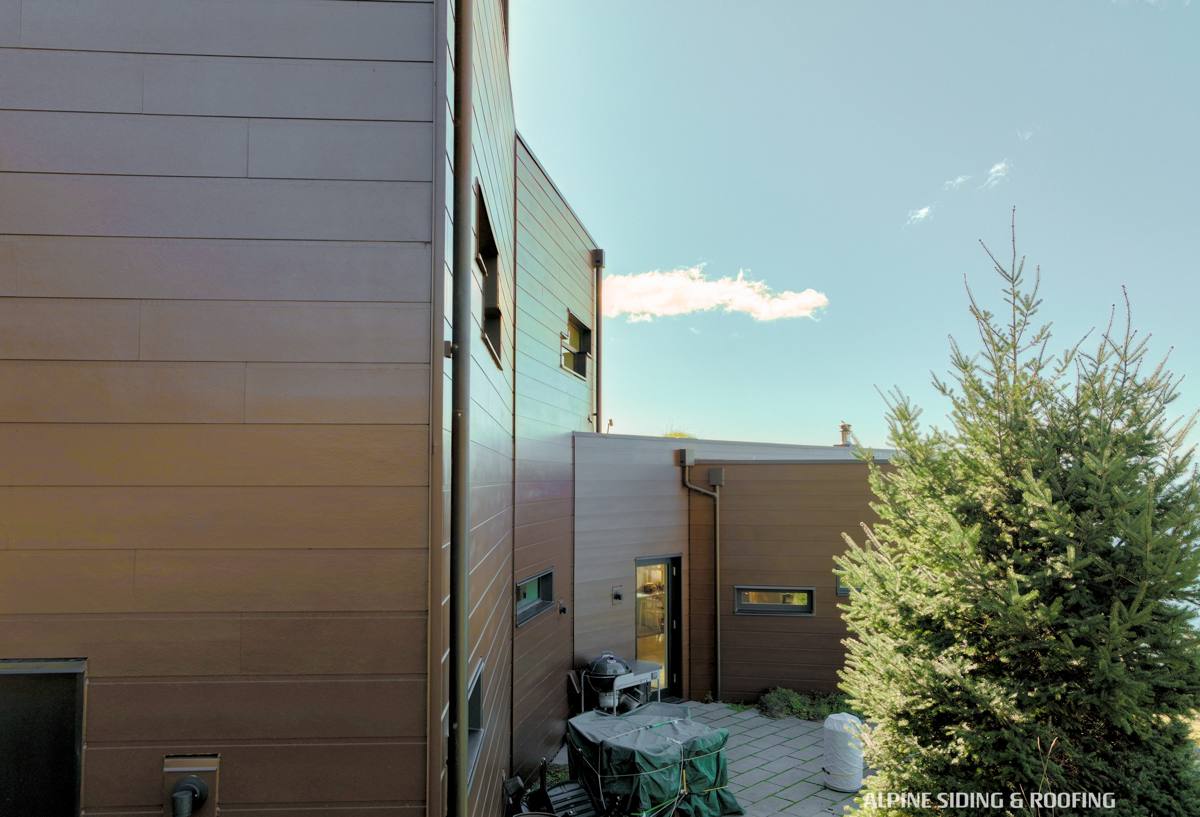
What Whatcom County Weather Actually Does to Windows
Salt Air and Coastal Moisture
Even a few miles inland from the bay, airborne salt accelerates corrosion on window hardware — hinges, cranks, balance systems, and especially unprotected fasteners. Aluminum-clad frames and vinyl hold up better than bare wood or unfinished metal in this environment, but the bigger factor is almost always installation quality: how well the window was flashed and how well the building paper and sill pan were integrated with the rest of the wall assembly.
Driving Rain
Ferndale gets rain that comes in sideways during a good Pacific storm, not just straight down. That means water pressure gets tested at the sill and at the head flashing in ways a fair-weather install never reveals. A window that leaks under driving rain almost never leaks because the window itself is bad — it leaks because the flashing sequence was wrong, the sill pan is missing or improperly lapped, or the sealant was used as a substitute for proper flashing instead of a backup to it.
Moss and Prolonged Dampness
Shaded exteriors and north- or west-facing walls around Cordata's tree-lined lots stay damp longer after a storm passes. Wood trim and sills that aren't properly primed and back-primed will hold moisture against the substrate, and that's where you start seeing soft wood, peeling paint, and eventually rot at the corners of a window opening. Moss on nearby roofing and gutters that dumps runoff near a window opening makes this worse over time.
Signs Your Cordata Home's Windows Need Attention
- Fogging or a hazy film between the panes of a double-pane unit — the seal has failed and the gas fill is gone
- Sashes that stick, drag, or won't stay up without a prop
- Visible daylight or a draft you can feel at the frame edge on a windy day
- Soft or discolored wood trim around the frame, especially at the bottom corners
- Paint that bubbles or peels repeatedly in the same spot no matter how often it's repainted
- A musty smell near a window that doesn't go away with cleaning
- Noticeably higher heating bills in a room with older single-pane or early dual-pane windows
What a Correct Custom Window Job Involves
"Custom" doesn't just mean a non-standard size — it means the whole install is built around your specific opening, wall assembly, and exposure, rather than treating every window on the house the same way.
Measurement and Sizing
We measure each opening individually, not just once for the whole house. Settling, framing variation, and prior repairs mean two windows that look identical from the street can have openings that differ by a quarter inch or more. Custom-built units close that gap instead of relying on shims and extra caulk.
Flashing and Sill Pan Detail
This is the part that actually keeps driving rain out, and it's the part that gets skipped most often on lower-bid jobs. A proper install includes a sloped sill pan, correctly lapped house wrap or building paper at the sides and head, and flashing tape integrated in the right order — sides first, then head, lapped over the sides like shingles, never taped flat across everything.
Insulation and Air Sealing
Gaps between the window frame and the rough opening get filled with low-expansion foam or backer rod and sealant, not stuffed with fiberglass that does little for air sealing. This is where a lot of the draft and energy-loss complaints actually get solved.
Glass and Frame Selection for This Climate
For a marine climate like ours, we generally steer homeowners toward dual-pane, low-E glass with a warm-edge spacer system, in either vinyl or fiberglass frames. Both hold up well against salt air and moisture without the maintenance burden of bare wood exteriors. Wood-interior/clad-exterior windows are a fine choice for homeowners who want a wood look inside, since the exterior cladding takes the weather instead of painted wood.
Comparing Frame Materials for a Cordata Home
| Frame Type | Moisture & Salt Air Handling | Maintenance | Typical Lifespan Here |
|---|---|---|---|
| Vinyl | Good — won't rot or corrode, some UV chalking over time | Low — occasional cleaning | 20-30 years |
| Fiberglass | Very good — dimensionally stable, resists warping | Low | 30-40 years |
| Aluminum-clad wood | Good on the exterior; interior wood needs protection from interior humidity | Moderate — exterior is low, interior finish needs occasional attention | 25-35 years with proper install |
| Bare wood | Poor without diligent repainting; most exposed to our rain and moss cycle | High — repainting and caulk checks every few years | Highly install- and maintenance-dependent |
None of these is automatically "the best" — the right call depends on your home's exposure, your budget, and how much upkeep you want to sign up for. A shaded, west-facing wall on Cordata's tree-lined streets behaves differently than a sunny south wall, and we'll tell you honestly which option fits your specific situation rather than pushing one product line.
Our Process, Start to Finish
- On-site assessment: we look at each window opening, the surrounding siding and trim condition, and any signs of past water intrusion before recommending anything
- Measurement: every opening is measured individually — no assumptions based on the house's age or builder
- Written estimate: a clear scope covering frame material, glass package, flashing detail, and trim work, with no vague allowances
- Removal and inspection: once old windows come out, we check the framing and sheathing underneath for rot or prior water damage before anything new goes in
- Installation: sill pan, flashing, window, insulation, and air sealing, done in the correct sequence
- Exterior trim and finish: trim is reinstalled or replaced and properly caulked and painted or capped to shed water
- Final walkthrough: we check operation on every window and walk the job with you before calling it done
Why a Crew That Already Works Cordata Matters
Window installation done wrong doesn't usually show up as a problem on day one — it shows up two or three winters later as a soft spot in the sill or a drafty room, after the driving rain has had time to find every gap in a bad flashing job. A crew that regularly works Whatcom County homes has already seen how local exposure — salt air, prevailing wind direction, moss buildup from nearby trees — plays out on real houses, not just in a manufacturer's install manual. That matters more here than in a drier inland climate, where a mediocre install might go unnoticed for years.
Working locally also means we're not guessing at permitting requirements, typical framing quirks in Ferndale-area homes from different build eras, or how a given product line has actually held up on houses a few streets over. If something needs a warranty call two years down the road, we're still in the area to handle it.
What This Typically Costs
Costs vary by frame material, glass package, opening size, and whether trim or siding repair is needed alongside the window. As a broad range, homeowners in this area typically see per-window installed costs from the low hundreds for a straightforward vinyl replacement into the low thousands for larger custom fiberglass or clad-wood units with more involved trim work. We won't give you a real number until we've measured your openings and seen the condition of the framing — anything quoted sight-unseen is a guess, not an estimate.
Questions to Ask Before Hiring Anyone for Window Work
- Will you measure and custom-fit each opening, or install standard sizes with extra shimming?
- What does your sill pan and flashing detail actually look like — can you describe the sequence?
- Do you check the framing for rot or water damage before installing the new window?
- What's the warranty on both the product and your labor, separately?
- Are you licensed and insured to work in Whatcom County?
- Can you explain, in plain terms, why you're recommending one frame material over another for my specific wall?
If your windows in Cordata are drafty, fogged, sticking, or just original to a house that's due, we're happy to take a look and walk you through honest options — no pressure, no obligation. Fill out the form below for a free estimate.