 Ferndale
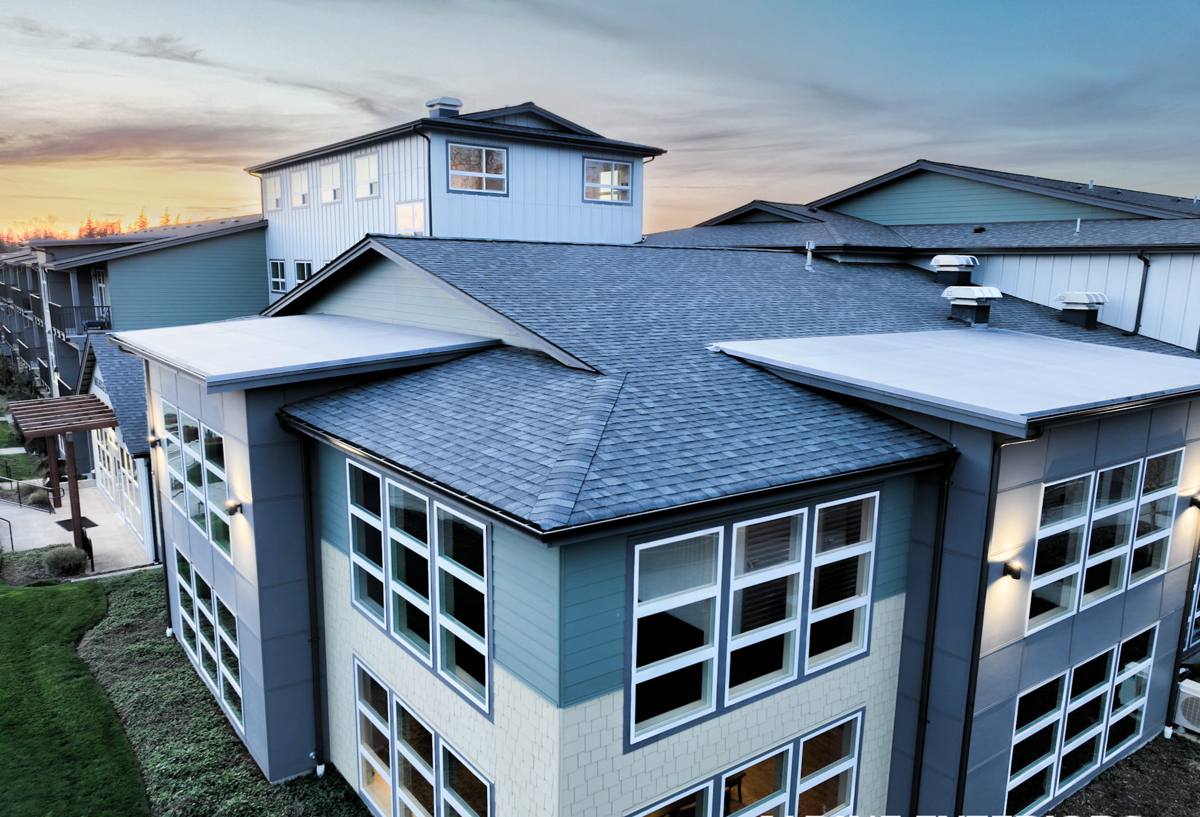
 James Hardie Siding Installed for a Lummi Nation Address
Lummi Nation sits out on the peninsula west of Ferndale, close enough to open water that its homes take a heavier version of the exposure the rest of Whatcom County deals with only some of the year. That's the starting point for every siding job we do here. This page isn't a general overview of exterior work in the area — it's specifically about what goes into installing James Hardie fiber cement siding correctly on a property in this location, from the product line and color we recommend to the details of the install itself.
We install James Hardie exclusively. On a peninsula property, the case for that isn't theoretical — it's the difference between a wall assembly that handles thirty years of salt air and wind-driven rain and one that starts showing problems on a much shorter timeline.
What This Exposure Actually Asks of a Siding System
Salt Air and Finish Durability
Homes closer to open water pick up more salt-laden moisture in the air, and that moisture is hard on anything with a surface finish. Field-applied paint chalks and fades faster under sustained salt exposure than most homeowners expect, and fasteners and trim hardware corrode faster too. A siding system's finish has to be built for this specifically, not just rated for rain in general.
Wind-Driven Rain
Open water means fewer windbreaks, and wind is what turns ordinary rain into a sideways problem. Water gets pushed into lap joints, under trim, and into any seam where flashing isn't doing its job — a tougher test than a simple rainfall total suggests, and one that exposes weak installation details a lot faster than a sheltered inland site would.
A Long Moss and Mildew Season
Peninsula terrain, shade, and near-constant dampness keep moss and mildew active across most of the calendar here. It shows up first on north-facing and shaded walls, and left alone it holds moisture against the wall assembly behind it — which is where a lot of long-term rot problems actually start, not at the surface.
Choosing the Right Hardie Product and Finish for This Location
James Hardie makes several siding profiles, and they're not interchangeable when it comes to how much seam and joint detail they require. On a property this exposed to wind and water, that difference matters more than it would a few miles inland.
| Product Line | Look | Where It Fits Best Here |
|---|---|---|
| HardiePlank lap siding | Traditional horizontal clapboard | The most common choice for broad wall areas facing wind-driven rain; fewer seams to detail than other profiles |
| HardiePanel vertical siding | Clean vertical panels, often with battens | Gables, accent walls, and more modern designs |
| HardieShingle siding | Staggered or straight-edge shingle profile | Accent areas and dormers; more seams, so it needs more careful flashing on an exposed wall |
| Board and batten (panel plus batten) | Bold vertical lines, wide reveals | Entry features and garages; batten fastening has to be disciplined this close to open water |
We generally spec Hardie's HZ5 formulation for Lummi Nation properties, since it's built for regions with heavy, sustained moisture and freeze-thaw cycling rather than a milder, drier climate. On the finish side, the factory-applied ColorPlus coating matters more here than almost anywhere else in our service area — it holds color and resists salt exposure far longer than paint applied on site, which means fewer repaint cycles over the life of the siding.
What a Correct Installation Actually Involves
Hardie siding performs the way it's supposed to only when it's installed to the manufacturer's published spec. Cutting corners on any of the following is where most premature siding failures actually start — not with the product itself.
Clearances and Flashing
Hardie specifies minimum clearances from grade, roofline, decks, and other transitions, and those clearances exist to keep water from wicking up into the bottom of the siding. Flashing at every window, door, and roof intersection is what actually keeps wind-driven rain out of the wall — more than the siding material itself does. This is the detail that separates a job that lasts decades from one that leaks behind the wall within a few years.
Fastening and Joint Treatment
Fastening pattern and nail placement have to match Hardie's spec for the specific product and the wall's wind exposure, which can vary noticeably across a single Lummi Nation lot depending on how directly it faces open water. Joints and butt seams need the right gap and sealant treatment, and factory-cut ends need touch-up paint so the exposed edge isn't left bare against constant moisture.
Rainscreen and Moisture Management Behind the Siding
A weather-resistive barrier behind the siding is the baseline, but on an exposed peninsula wall, a drainage gap between that barrier and the siding gives incidental moisture somewhere to go instead of sitting against the wall assembly. That detail costs more labor time up front and saves a homeowner from a rot problem they can't see until it's already expensive.
Our Process, From First Call to Finished Wall
- On-site assessment. We walk the exterior, note which walls face the heaviest wind and water exposure, and check existing siding and trim for hidden damage before quoting anything.
- Tear-off and substrate inspection. We remove the old siding down to bare sheathing rather than installing over it, because that's the only way to catch moisture damage before it gets sealed behind new siding for another few decades.
- Weather-resistive barrier and drainage gap. We install or verify the water barrier and add a drainage gap on exposed elevations where the wall assembly calls for it.
- Installation to spec. Correct nailing pattern, clearances from grade and roofline, and properly sealed joints, following Hardie's published installation requirements rather than a shortcut version of them.
- Trim, corners, and touch-up. Corner and trim details get finished and any cut ends get factory-matched touch-up paint so no raw edge is left exposed.
- Final walk-through and warranty registration. We walk the finished job with the homeowner and register the product warranty so it's on record from day one.
Why a Crew That Already Works Lummi Nation Matters
A contractor who's done this work here before knows which wall orientations on a peninsula lot take the worst of the wind and rain, where extra flashing attention actually pays off, and how site access and staging tend to work on properties this close to the water. That experience shows up in small decisions on install day that a generic crew, working from a spec sheet alone, is more likely to miss. It also matters logistically — a local crew can schedule around weather windows more realistically and isn't treating the trip out to the peninsula as an inconvenience tacked onto a job list built around town.
Cost Factors for a Hardie Installation Here
| Factor | What It Affects | Why It Matters at Lummi Nation |
|---|---|---|
| Product line (lap, panel, shingle, board and batten) | Material cost and installation time | More complex profiles mean more seams to flash and caulk correctly under wind-driven rain |
| Tear-off to bare sheathing | Labor scope and repair costs | A full tear-off is the only way to inspect and dry out sheathing before it's sealed behind new siding |
| Window, door, and roofline flashing detail | Labor time and material | Correct flashing at every penetration is what keeps wind-driven rain out, more than the siding material alone |
| ColorPlus finish vs. field-applied paint | Upfront material cost | A factory finish holds up against salt exposure far longer, cutting repaint costs over the life of the siding |
| Fastening spec for the wall's specific wind exposure | Labor and hardware | Wind exposure can vary significantly across a single peninsula lot depending on orientation to open water |
Exact numbers depend on the specific home, which is why we walk the property in person rather than quoting off a generic price sheet.
Checklist: What to Confirm Before a Hardie Job Begins
- A written scope naming the specific Hardie product line, profile, and color, not just "siding replacement"
- Confirmation that the job is a full tear-off to bare sheathing, not an install over the existing wall
- A stated fastening pattern and clearance spec from grade, roofline, and any deck connections
- A plan for the weather-resistive barrier and drainage gap on exposed elevations
- Flashing called out specifically at every window, door, and roof intersection
- Written warranty terms covering both the material and the labor
- A final walk-through with the homeowner before payment is considered complete
Warranty and Long-Term Care
James Hardie backs its products with a strong transferable warranty, but that coverage depends on the installation actually following the manufacturer's spec — it's not a blanket guarantee regardless of how the job was done. Once the siding is up, upkeep on a Lummi Nation property is light compared to other materials: periodic rinsing to knock back salt residue and moss buildup, and keeping gutters and drainage clear so water isn't sitting against the base of the wall. There's no repainting cycle to plan for, since the ColorPlus finish is baked on rather than applied on site.
If you're planning a siding project on a Lummi Nation property, we're glad to walk the home, explain exactly what we'd recommend and why, and put together a written estimate. Reach out using the form below for a free, no-pressure estimate.