 Ferndale
 Why Lummi Island Asks More of Your Siding
Homes on Lummi Island sit in one of the more demanding exposure zones in Whatcom County. You've got salt-laden air coming off the water, wind-driven rain that gets pushed sideways into wall assemblies during winter storms, and long stretches of shaded, damp weather that turn north-facing walls and tree-lined lots into moss farms. Any one of those on its own is manageable. Together, over years, they expose the weak points in a siding system faster than they would on a typical inland lot near Ferndale or Bellingham.
This page is about one thing: installing James Hardie fiber cement siding correctly on Lummi Island homes, and why that combination of product and process matters more here than it does a few miles inland.
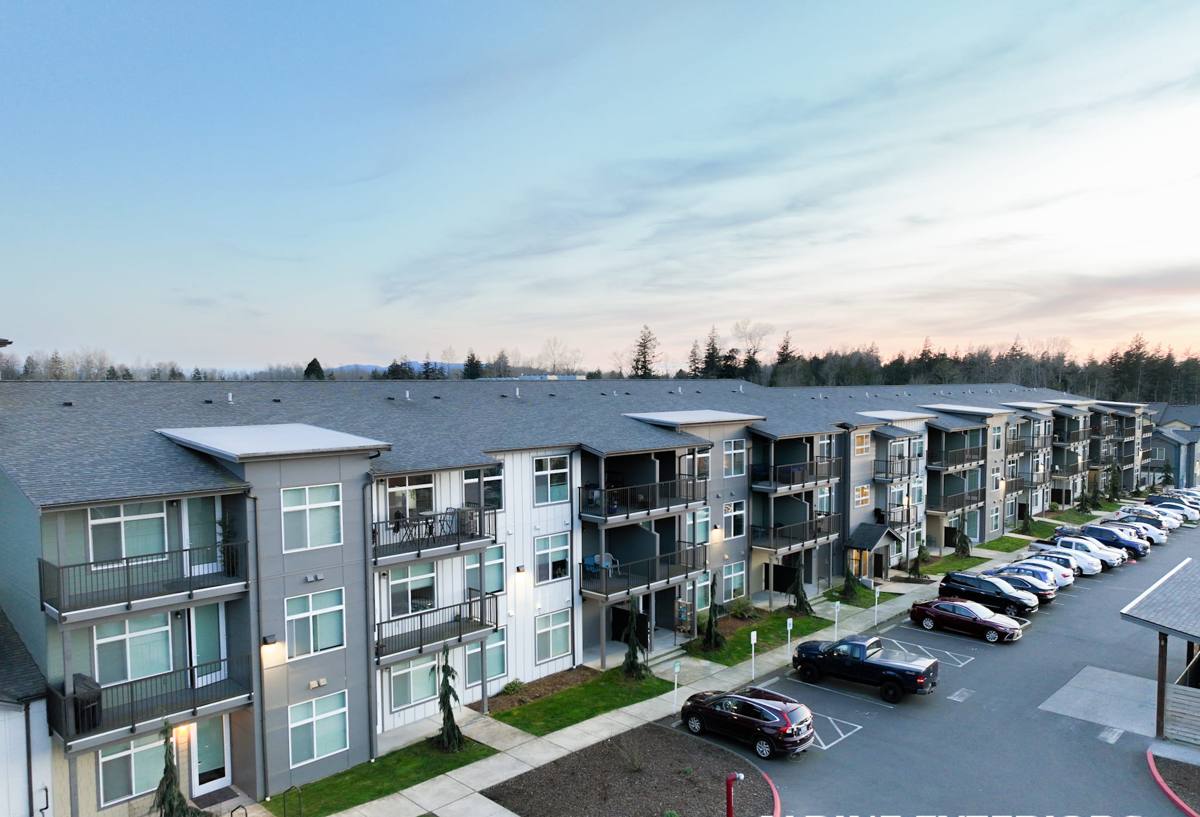
What Salt Air, Rain, and Moss Actually Do to a Wall
Salt air
Airborne salt is corrosive to metal and hard on organic materials. Fasteners, flashing, and trim that aren't rated for coastal exposure corrode faster, and once a fastener head starts rusting, water tends to follow it into the wall. Paint film on wood-based products also breaks down faster under salt exposure, which shortens the interval between repaints.
Driving rain
Wind-driven rain doesn't just fall on siding, it gets forced up and under laps, into seams, and around anything that isn't properly flashed or gapped. On an exposed island lot, that pressure is higher and more frequent than on a sheltered inland site. A siding system that depends on paint or caulk alone to keep water out will eventually lose that fight.
Moss and prolonged moisture
Shaded, damp conditions that stick around for months at a time are exactly what moss, algae, and mildew need to take hold. On porous or absorptive siding materials, that growth isn't just cosmetic — trapped moisture behind a mossy surface keeps the substrate wet longer, which accelerates rot in wood-based products and paint failure on almost anything.
How Common Siding Materials Hold Up in This Environment
| Material | Salt air / corrosion | Moss & moisture | Ongoing maintenance |
|---|---|---|---|
| Vinyl | Doesn't corrode, but can become brittle and fade faster under UV and salt exposure | Moss and algae grow on the surface; can trap moisture behind loose or warped panels | Low, but panels crack, warp, or blow off in wind and are hard to color-match when replaced |
| Cedar / primed spruce | Fasteners and hardware need coastal-rated upgrades; wood itself absorbs salt moisture | Highly prone to moss, mildew, and rot without diligent upkeep | High — regular repainting, caulking, and moisture inspection required |
| LP SmartSide | Engineered wood core is moisture-sensitive; edge sealing is critical near the coast | Vulnerable at cut edges and joints if sealing isn't maintained | Moderate to high — edge and joint maintenance is not optional here |
| James Hardie fiber cement | Non-combustible, dimensionally stable; factory-finished trim and fasteners are matched to coastal exposure | Dense cement composition resists moisture intrusion and doesn't feed rot the way wood fiber does | Low — periodic rinsing and normal upkeep, no repainting on the standard ColorPlus finish cycle |
This is exactly why we standardized on James Hardie rather than offering all of the above. On a protected inland lot, some of these trade-offs matter less. On an exposed Lummi Island property, they show up early — sometimes within the first few winters.
Why James Hardie Is Built for This Specific Climate
James Hardie engineers its siding by climate zone, and Western Washington — including Whatcom County and the islands — falls into the HZ5 zone, built around wet, cold-swing conditions rather than a hot, humid southern climate. That matters because the product formulation and installation specs assume repeated wetting, cold snaps, and long damp periods, not occasional summer storms.
The other piece is the factory-applied ColorPlus finish. Instead of field-painted siding that depends on job-site weather and technique for its finish, ColorPlus is baked on in a controlled factory process, which gives it better adhesion and fade resistance than most site-applied paint jobs — a real advantage when salt air is working against the finish year-round. Hardie also backs the product with a strong transferable warranty, which matters on a coastline where owners want assurance the material was built to last, not just look good on install day.
What a Correct Installation Involves Here
Fiber cement siding is only as good as the installation. On a marine-exposed, high-rainfall site like Lummi Island, a few details stop being "nice to have" and become the difference between a 30-year wall and a callback in five years.
- Proper clearance between the bottom of the siding and grade, decks, or roof lines so splashback and standing water don't sit against the material
- Correct gapping at all butt joints, corners, and around windows and doors, sealed per Hardie's written specification rather than "caulk and hope"
- Flashing at every horizontal joint, window head, and penetration — this is where wind-driven rain actually gets in if it's skipped or done casually
- Corrosion-resistant, coastal-rated fasteners driven correctly (not overdriven, not underdriven) so the fastener itself doesn't become the first failure point
- A weather-resistant barrier installed and lapped correctly behind the siding, giving the wall a second line of defense if any water does get past the cladding
- Field touch-up done with Hardie's matched ColorPlus touch-up product, not generic exterior paint that will weather differently over time
Skip any one of these and the siding itself can be flawless while the wall behind it still fails. This is the part of the job that doesn't show up in a photo but determines whether the investment holds up through twenty Whatcom County winters.
Our Process for a Lummi Island Project
Site assessment
We start by walking the property and looking specifically at exposure — which walls take the brunt of the weather off the water, where moss and staining already show up, where old flashing or trim has failed, and what the existing siding tells us about how the last install held up (or didn't).
Product and detail plan
We spec the Hardie product line, plank exposure, and trim details for that specific exposure, and flag any areas — deck ledgers, roof-to-wall transitions, window returns — that need extra flashing attention before a single piece of siding goes up.
Scheduling around the island
Working on Lummi Island means building ferry timing, tide schedules, and weather windows into the plan up front, not discovering them mid-project. We batch material deliveries and crew trips to keep the schedule tight and avoid the stop-and-start delays that happen when a crew isn't used to working island logistics.
Installation and inspection
Installation follows Hardie's published specifications, and we walk the finished job checking gaps, fastening, flashing, and finish before calling it done — not just from the ground, but at the details that tend to get missed.
What Drives Cost on a Job Like This
| Factor | Why it matters here |
|---|---|
| Tear-off vs. new construction | Removing failed wood or vinyl siding, plus repairing any hidden rot underneath, adds labor before new siding even starts |
| Wall exposure and complexity | Multiple stories, dormers, and lots of trim/corner detail mean more flashing and cutting labor |
| Product line and finish | Panel vs. lap siding, and standard vs. premium ColorPlus color, affect material cost |
| Site access and logistics | Ferry-dependent delivery and crew scheduling can affect timeline more than it affects the base price, but both matter when planning the project |
| Existing damage | Moisture or rot found once old siding comes off is priced as it's discovered, which is why an honest inspection up front matters |
Why Hiring a Crew That Already Works on the Island Matters
A contractor who's never worked a ferry-served job will underestimate scheduling, misjudge material staging, or treat the marine exposure like any other Whatcom County lot. That shows up as delays, as generic flashing details that weren't built for this level of exposure, or as a crew that quotes the job like it's in downtown Ferndale rather than out on the water. A crew that already understands island logistics builds that into the plan and the price from the start, so there are no surprises for the homeowner mid-project.
It also matters for warranty follow-through. If a detail needs a callback — a piece of trim, a touch-up, a fastener check — a company that's used to the island logistics will actually get back out there without treating it as a hassle.
Get a Straight Answer for Your Home
If you're weighing a siding replacement on Lummi Island, we're happy to come take a look, walk the exposure on your specific walls, and give you an honest read on what the job actually involves — no pressure, no generic quote. Use the form below to request a free estimate.