 Ferndale
 Board & Batten Siding for Homes in and Around Lynden
Board and batten is one of the most requested siding looks in Whatcom County right now, and for good reason. The vertical lines read as clean and modern on a newer build, and just as at-home on a farmhouse-style remodel. But the look is only half the story. Out here, siding also has to hold up to salt-laden air off the Sound, long stretches of driving rain, and a moss season that can run most of the year in shaded, north-facing spots. We install board and batten siding for homeowners in and around Lynden using James Hardie fiber cement exclusively, and this page covers what that actually means for a Lynden-area home — not board and batten in general, but this look, in this climate, done right.
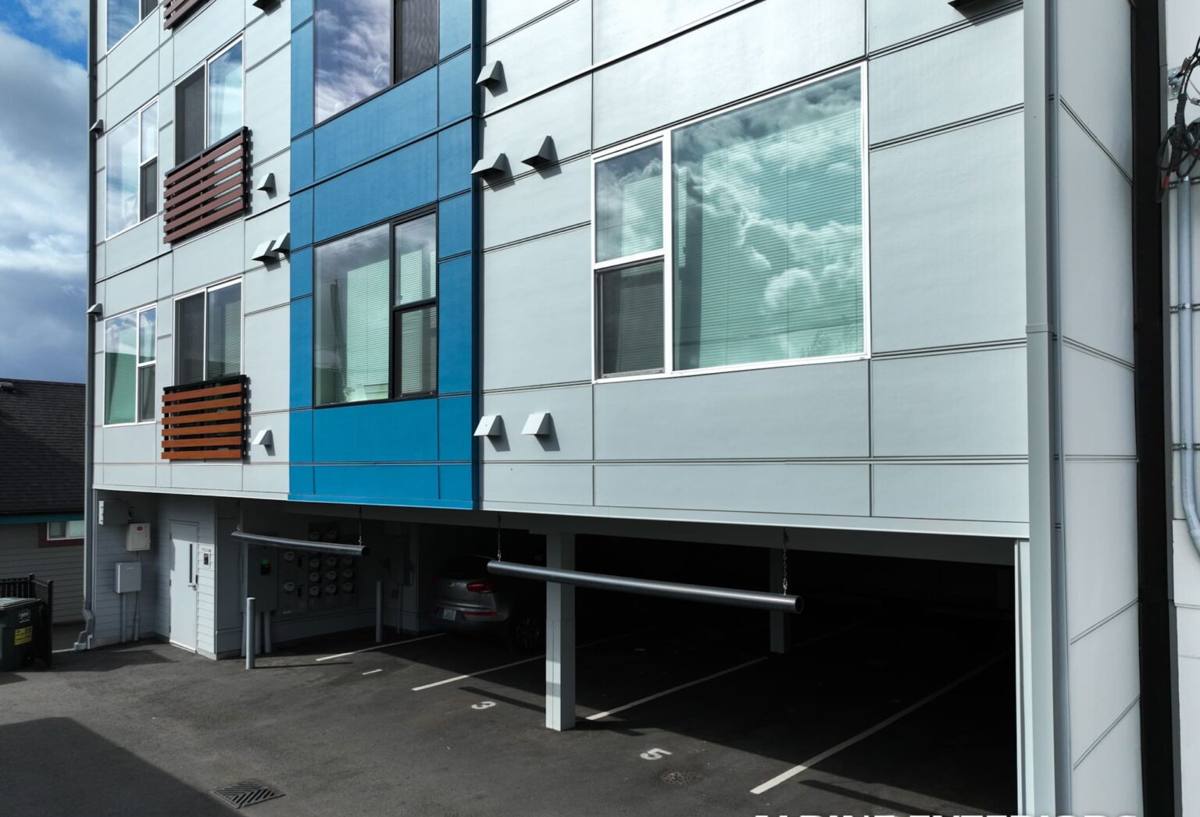
What Board & Batten Actually Is (and Isn't)
"Board and batten" describes an appearance, not a single product, and that distinction matters more than most homeowners realize when they're comparing bids. The traditional version is wide vertical boards with narrow strips — battens — covering the seams between them. Today, that look gets built a few different ways:
- Vinyl board and batten panels — snap-together plastic panels molded to look like boards and battens. Lightweight, inexpensive, and prone to the warping, fading, and brittleness that all vinyl eventually shows.
- Engineered wood board and batten — real wood-based panels that need to stay sealed and dry to avoid swelling at the edges and seams.
- Fiber cement board and batten — large-format cement panels installed vertically, with separate trim boards (battens) fastened over the seams. This is what we install, and it's built to be non-combustible and dimensionally stable in wet, humid climates.
We build the fiber cement version using James Hardie panel siding as the field material and Hardie trim boards as the battens. It's a real assembly of separate, purpose-built components — not a single molded piece pretending to be one.
Why This Climate Is Hard on Vertical Siding Specifically
Vertical siding systems have more seams running in the direction water actually travels — straight down the wall — which makes correct installation more important than it is on standard lap siding. In a marine climate like the one around Ferndale and Lynden, three things work against a poorly built board and batten wall:
Driving rain
Wind-driven rain off the water pushes moisture sideways into wall seams, not just straight down onto them. Every seam between panels and every batten joint is a potential entry point if it isn't flashed, gapped, and sealed correctly.
Salt air
Salt in the air accelerates corrosion on fasteners and metal flashing, and it degrades cheap or unfinished trim faster than it degrades fiber cement. Fastener choice and flashing detail matter more here than in a dry inland climate.
Moss and algae season
Shaded walls, north exposures, and tree cover common on Lynden-area lots stay damp for long stretches. Any siding material that holds moisture at the surface — raw wood, some engineered products — will grow moss and mildew faster than a factory-finished fiber cement panel with a hard, sealed surface.
None of this means board and batten is a bad choice here. It means the installation details that get skipped on a fast, cheap job are exactly the details that matter most in this climate.
What a Correct Board & Batten Installation Involves
A board and batten wall that's going to hold up around Lynden needs the same fundamentals as any Hardie installation, applied with extra care at the vertical seams:
- Weather-resistive barrier installed continuously behind the panels, lapped correctly at every seam and penetration
- A drainage gap or rainscreen behind the siding so any moisture that does get past the surface can drain and dry instead of sitting against the wall sheathing
- Panel seams and butt joints backed and sealed per manufacturer spec — not just caulked and hoped for
- Battens fastened through the panel into framing, with fastener spacing that matches Hardie's published pattern for the panel size and wind zone
- Correct clearance at the bottom of the wall, around windows and doors, and where the siding meets the roofline or a deck
- Corrosion-resistant fasteners and flashing, given the salt exposure this area sees
Skip any one of these and the wall can still look right on installation day. The failures — trapped moisture, panel edges swelling or separating, streaking at the seams — show up years later, which is exactly why the installer's process matters more than the product name on the invoice.
Why We Standardized on James Hardie for This Look
We don't install vinyl board and batten, LP SmartSide, Cemplank, Allura, primed spruce, or cedar. That's a deliberate standard, not a lack of options, and it's worth explaining honestly rather than just asserting.
Vinyl board and batten is affordable and low-maintenance in the sense that it doesn't need painting, but it's a thin plastic product that can warp in heat, crack in cold, and fade unevenly over time — and it has no real fire resistance. Engineered wood products like LP SmartSide perform well when the factory coating and caulking are maintained on schedule, but they're wood-based, which means the seams and cut edges on a vertical board and batten wall need consistent upkeep to keep moisture out. Primed wood and cedar look excellent on day one but require the homeowner to stay ahead of painting, sealing, and moss treatment — a real commitment in a climate that stays damp much of the year. Other fiber cement brands compete reasonably on the raw material, but we've standardized on Hardie specifically for its ColorPlus factory-baked finish, its HZ5 product engineering for wet Pacific Northwest climates, and a warranty structure we can stand behind without qualifications.
The honest trade-off is cost: Hardie board and batten costs more up front than vinyl or engineered wood. We think that's the right trade for a product that's non-combustible, holds its finish for decades, and doesn't ask the homeowner to maintain it on a tight schedule to avoid problems.
Quick Comparison
| Material | Fire Resistance | Moisture Behavior in This Climate | Maintenance Burden |
|---|---|---|---|
| Vinyl board & batten | Poor — melts/burns | Doesn't rot, but seams can warp and gap over time | Low, but no repainting option if it fades |
| Engineered wood (LP-type) | Fair | Needs sealed edges/seams to resist swelling | Moderate — coating and caulk upkeep on schedule |
| Primed wood / cedar | Poor | Absorbs moisture, prone to moss without upkeep | High — repainting and sealing cycle |
| James Hardie fiber cement | Non-combustible | Engineered for wet climates, factory-sealed finish | Low — periodic wash and caulk check |
Our Process on a Lynden-Area Board & Batten Project
The process for a board and batten job follows the same core steps as any siding replacement, with a few extra decisions specific to this style:
- On-site assessment — we look at wall exposure, existing moisture damage, and how much shade and tree cover the walls get, since that affects both drainage detailing and future moss exposure.
- Panel and batten layout — board and batten spacing is a design decision, not just an installation detail. We work out batten spacing and reveal with the homeowner before ordering material.
- Color and finish selection — ColorPlus finishes hold up better against salt air and UV than field-applied paint, so we walk through the factory color options rather than defaulting to a repaint-later plan.
- Tear-off and prep — removal of existing siding, inspection and repair of sheathing, and installation of the weather-resistive barrier and drainage layer.
- Installation — panels set first, battens fastened over the seams per spec, with flashing and sealant detail at every penetration.
- Final walkthrough — we go over the finished wall with the homeowner and register the manufacturer warranty.
Living With Board & Batten Siding in This Climate
Correctly installed Hardie board and batten is genuinely low-maintenance, but "low-maintenance" isn't "no-maintenance" in a moss-prone, salt-air region. A short seasonal checklist keeps a wall like this looking right for the long haul:
- Rinse walls annually, especially shaded or north-facing sections where moss and algae are more likely to take hold
- Keep gutters clear so overflow doesn't run down and pool at the top of a wall section
- Check caulking at seams, window trim, and batten joints every couple of years and touch up as needed
- Trim back vegetation and tree limbs that keep a wall section shaded and damp longer than the rest of the house
- Watch for any staining or dark streaking at seams, which usually means water is sitting somewhere it shouldn't
What Drives the Cost of a Board & Batten Project
| Factor | Why It Matters |
|---|---|
| Home size and wall complexity | More corners, gables, and dormers mean more cuts, more battens, and more labor |
| Existing siding removal | Tear-off and disposal of the old material adds time versus a bare-sheathing new build |
| Sheathing condition | Rot or moisture damage found during tear-off may need repair before new siding goes on |
| Batten spacing and trim detail | Tighter batten spacing and added trim work (window casings, corner boards) increase material and labor |
| Color selection | Standard ColorPlus colors versus premium or custom options affect panel pricing |
| Site access | Multi-story walls, tight lot lines, or limited staging space affect labor time |
Why It Matters to Hire a Crew That Already Works This Area
Board and batten installation isn't exotic, but doing it well in a wet, salt-air climate rewards a crew that's already dealt with the local conditions — the kind of wall orientations that hold moisture longest, the fastener and flashing choices that hold up against salt exposure, and the batten spacing that actually sheds water instead of trapping it. A crew that only occasionally works in coastal Washington is more likely to install board and batten the way a manufacturer's generic spec sheet describes it, rather than the way this specific climate demands. We work James Hardie siding projects throughout Ferndale and the surrounding Whatcom County communities, including Lynden, and that repetition is what keeps callbacks low.
If you're considering board and batten siding for a home in the Lynden area, we're happy to walk the property, talk through layout and color options, and give you a clear, no-pressure estimate. There's no obligation — just a straight answer on what your walls need and what it will cost to do it right.