 Ferndale
 Sandy Point Roofs Deal With More Than an Average Storm
Sandy Point sits right up against the water in Whatcom County, and that location is exactly why roofs out here age differently than roofs a few miles inland in Ferndale. Homes get the full package: sustained wind off the Strait, driving horizontal rain that gets up under shingle tabs and flashing, and a steady mist of salt air that never really stops working on metal fasteners, gutters, and exposed edges. Add in the long, wet moss season that Whatcom County is known for, and you've got a roof that's under low-grade stress almost year-round, punctuated by the occasional windstorm that turns small weaknesses into real leaks.
That combination is why we treat storm damage repair in Sandy Point as its own job, not a smaller version of what we'd do somewhere drier or more sheltered. The repair has to hold up to the next storm, not just patch the last one.
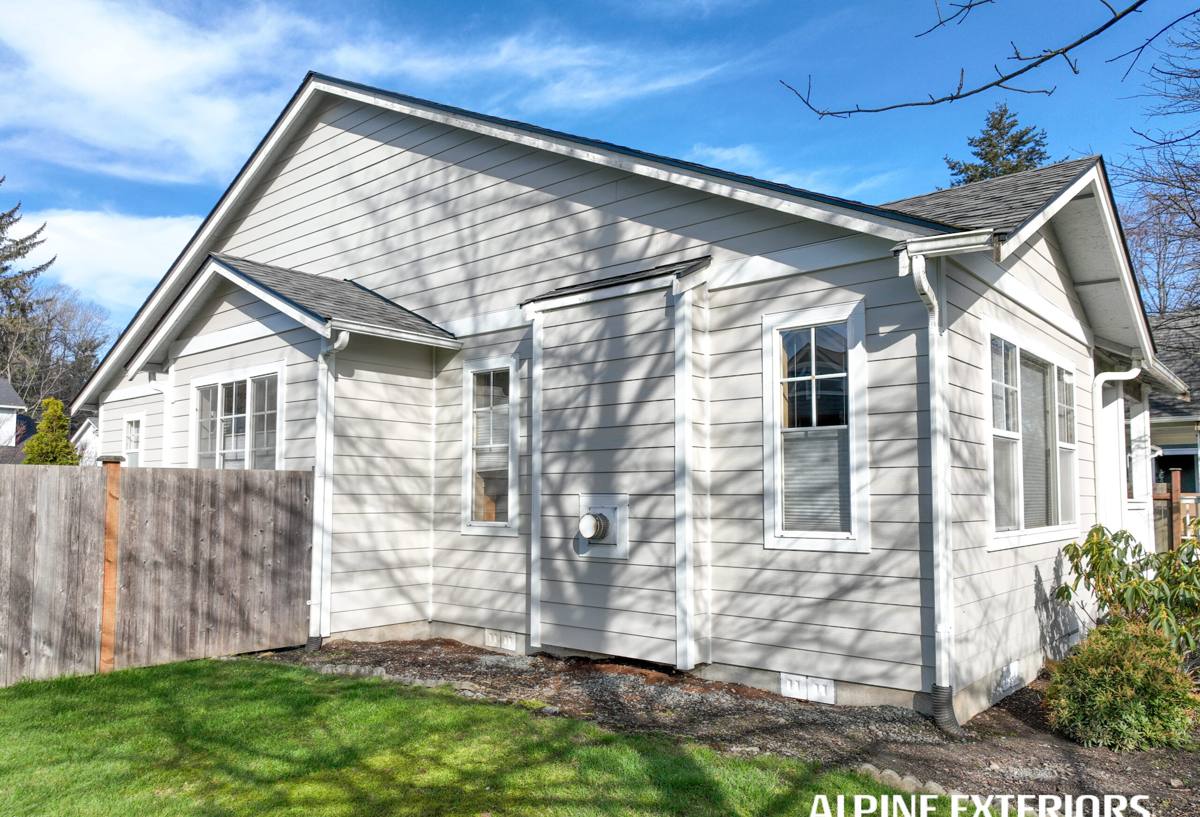
What Actually Counts as Storm Damage
Not every roof problem after a windstorm is "storm damage" in a way that matters for repair strategy or insurance. Being clear-eyed about this up front saves homeowners money and frustration.
- Wind-lifted or torn-off shingles — often concentrated on the roof's windward side or near ridges and edges where uplift is strongest.
- Flashing displacement — around chimneys, skylights, and roof-to-wall transitions, where wind and rain work fasteners loose over time.
- Impact damage — from branches or debris, common on lots with mature trees near the roofline.
- Water intrusion without visible surface damage — wind-driven rain can force water sideways under shingles that look fine from the ground.
- Pre-existing wear that a storm exposes — moss-related shingle degradation or old flashing that was already failing before the wind found it.
That last category matters because it's the one homeowners and insurers disagree about most. A roof weakened by years of moss holding moisture against the shingles isn't the same, technically, as fresh wind damage — even if the leak shows up the same week as the storm. We'll tell you honestly which category your damage falls into, because that affects both the right repair and how a claim should be framed.
How We Handle a Storm Damage Call
1. Inspection First, Before Any Talk of Repair
We get on the roof (or use a ladder and binoculars if conditions or slope make that unsafe) and look at the whole system — shingles, flashing, vents, gutters, and the attic side if accessible. Storm damage is rarely limited to the one spot where water showed up inside the house. Wind damage especially tends to be scattered.
2. Documentation You Can Actually Use
We photograph and note the specific damage we find, tied to specific locations on the roof. If you're filing an insurance claim, this documentation needs to distinguish storm-caused damage from ordinary wear — vague photos of "a bad roof" don't hold up well with adjusters, and neither do exaggerated claims. We document what's there, not more and not less.
3. A Repair Plan Scaled to the Actual Damage
Sometimes the right answer is a targeted repair — replacing a section of shingles, resealing flashing, replacing a damaged vent boot. Sometimes the damage is spread widely enough, or the surrounding roof is worn enough, that a section replacement or full re-roof makes more sense. We'll walk you through the reasoning rather than defaulting to the bigger job.
4. The Repair Itself
Matching materials matter here — a patch with mismatched shingles or the wrong flashing profile is a repair that looks fine for a season and then fails again at the seam. We match shingle type and, where possible, color and age-weathering as closely as the market allows, and we replace flashing with new material rather than reusing bent or corroded pieces, since flashing failure is one of the most common repeat-leak causes in coastal wind exposure.
5. Cleanup and a Final Check
Debris removed, gutters cleared of anything that came down with the storm, and a final walk-through so you know exactly what was done and where.
Repair Approaches: Matching the Fix to the Damage
There isn't one right answer for every storm-damaged roof. The table below outlines how we think through the main options.
| Approach | Best For | Trade-offs |
|---|---|---|
| Spot repair (shingles/flashing) | Isolated wind or impact damage on an otherwise sound, reasonably young roof | Fastest and least costly, but only appropriate if surrounding material is still healthy |
| Section replacement | Damage concentrated on one slope or side of the house (common with directional wind) | More involved than a spot repair; needs careful tie-in to existing shingles at seams |
| Full re-roof | Storm damage on a roof already near the end of its service life, or widespread moss-related wear | Larger investment up front, but avoids repeated storm-season repair calls on aging material |
| Flashing-only repair | Leaks isolated to chimneys, skylights, or wall transitions with otherwise sound shingles | Often overlooked as the actual leak source; frequently the real fix when a shingle repair alone doesn't stop water |
Salt Air and Moss: The Two Things Making Sandy Point Roofs Age Faster
Two regional factors shape almost every repair decision we make out here. The first is salt air. Metal components — nail heads, flashing, vent collars, gutter fasteners — corrode faster this close to the water than they do a few miles inland. A repair that uses standard-grade fasteners might hold for a while, but we favor corrosion-resistant hardware and flashing on Sandy Point roofs specifically because we've seen what standard materials look like a few years later in this exposure.
The second is moss. Whatcom County's wet, mild winters give moss a long growing window, and roofs with north-facing slopes or heavy tree cover barely dry out between rain events. Moss doesn't just look bad — it holds moisture against the shingle surface, works its way under tabs, and accelerates granule loss. A storm-damaged roof that also has moss buildup needs both problems addressed, because treating the storm damage alone while leaving moss in place just sets up the next repair call.
Insurance Claims: What's Actually Useful to Know
We're not an insurance company and we don't process your claim, but we work alongside homeowners through this often enough to be straightforward about it:
- Adjusters distinguish between sudden, storm-caused damage (usually covered) and gradual wear like moss damage or age-related deterioration (usually not covered).
- Clear, dated documentation of the specific damage helps your case far more than a general statement that "the roof is bad now."
- Getting an honest inspection soon after a storm — rather than waiting — makes it easier to tie damage to a specific weather event.
- We'll give you our honest read on what looks storm-related versus what looks like pre-existing wear, even when that's not the most convenient answer.
A Practical Checklist After a Storm
If Sandy Point just took a hit from wind or heavy rain, here's what's worth doing before you call anyone:
- Check the attic (if accessible) for damp insulation, staining, or daylight coming through the roof deck.
- Look at ceilings and around chimneys/skylights inside the house for new water stains.
- From the ground, look for shingles or granules in the yard or gutters — a sign of wind stripping.
- Check gutters and downspouts for debris blocking water flow, which can cause backup even without roof damage.
- Avoid getting on the roof yourself, especially on wet or mossy surfaces — that's a fall risk that isn't worth it.
- Take photos of anything visible from the ground or inside before cleanup starts, in case it's needed later.
Why It Matters That We Already Work in Sandy Point
A crew that already knows this stretch of Whatcom County isn't guessing about how wind moves across a waterfront lot, which slopes take the worst of the driving rain, or how fast moss comes back on a shaded roof near the water. That familiarity shows up in small but real ways — knowing to check flashing corrosion a contractor working mostly in drier inland areas might not think to prioritize, or recognizing which damage patterns are typical of this specific exposure versus a one-off. It also means we're realistic with you: not every scare after a windstorm needs a full re-roof, and not every small leak is a quick fix. We'd rather tell you the truth about which one you're dealing with.
If a recent storm has you wondering what's actually going on with your roof, we're happy to take a look. Use the form below to request a free, no-pressure estimate — we'll give you a straight answer about what we find and what it would take to fix it right.